Brazil’s 2026 presidential race is increasingly being priced as a referendum on institutional stability, with the market watching not just who wins, but whether the next government strengthens or weakens the country’s courts, elections and economic sovereignty.
Brazil 2026 election and market risk
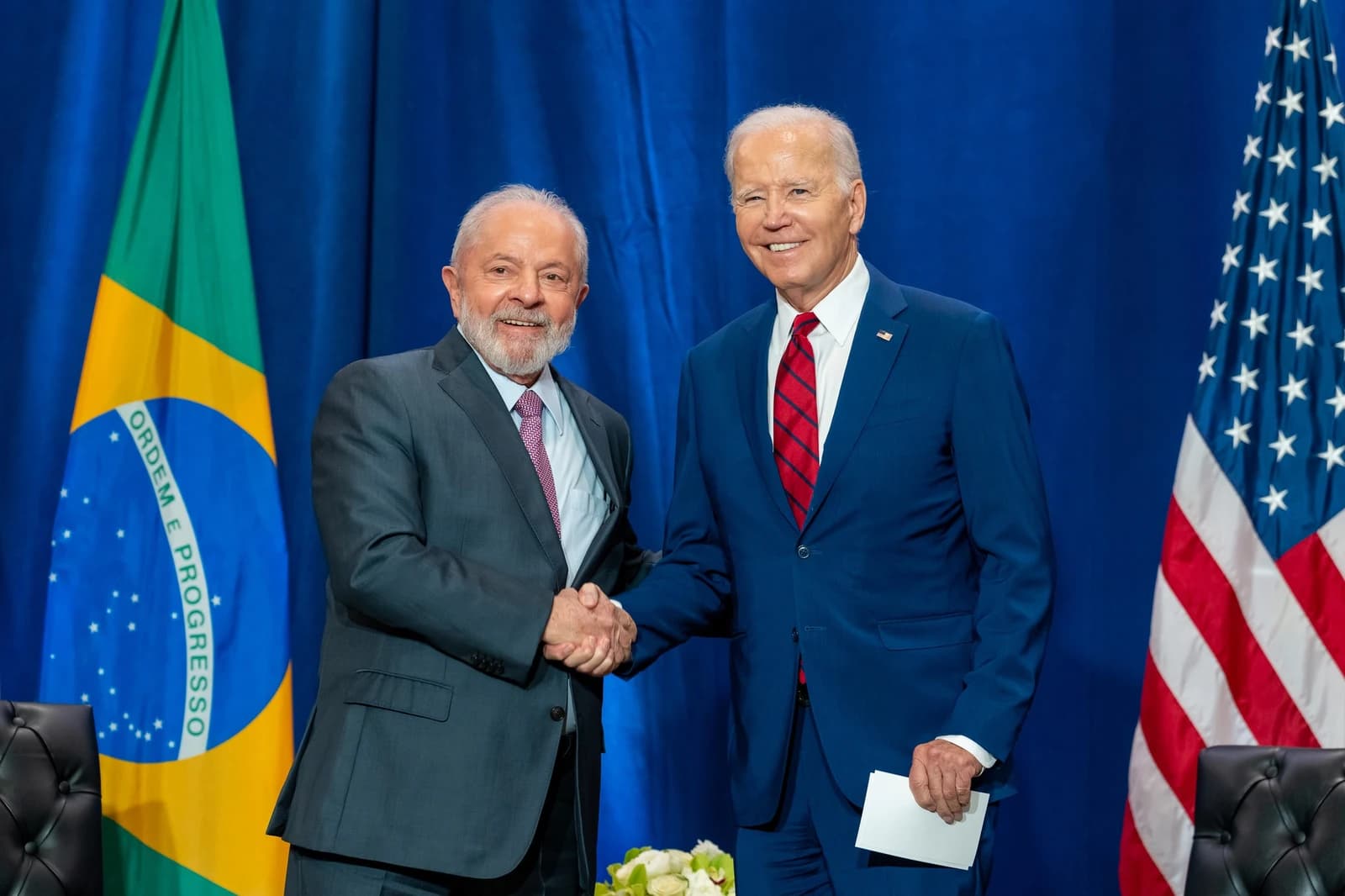
That is why the contest between Luiz Inácio Lula da Silva’s broad democratic coalition and Flávio Bolsonaro’s harder-edged continuation of bolsonarismo matters far beyond Brasília. For investors, the central issue is whether Brazil remains a rules-based market that can balance growth, fiscal discipline and social inclusion — or drifts toward a more confrontational model that could lift political risk premiums, unsettle foreign capital and widen the gap between winners in commodities and losers in domestic policy-sensitive sectors.
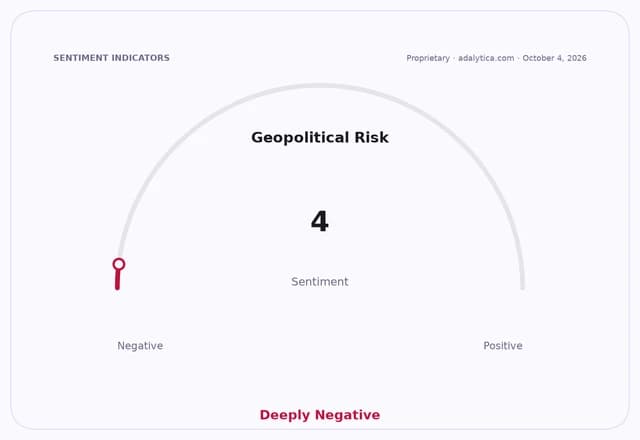
Sentiment IndicatorsⓘProprietary · adalytica.com · October 4, 2026
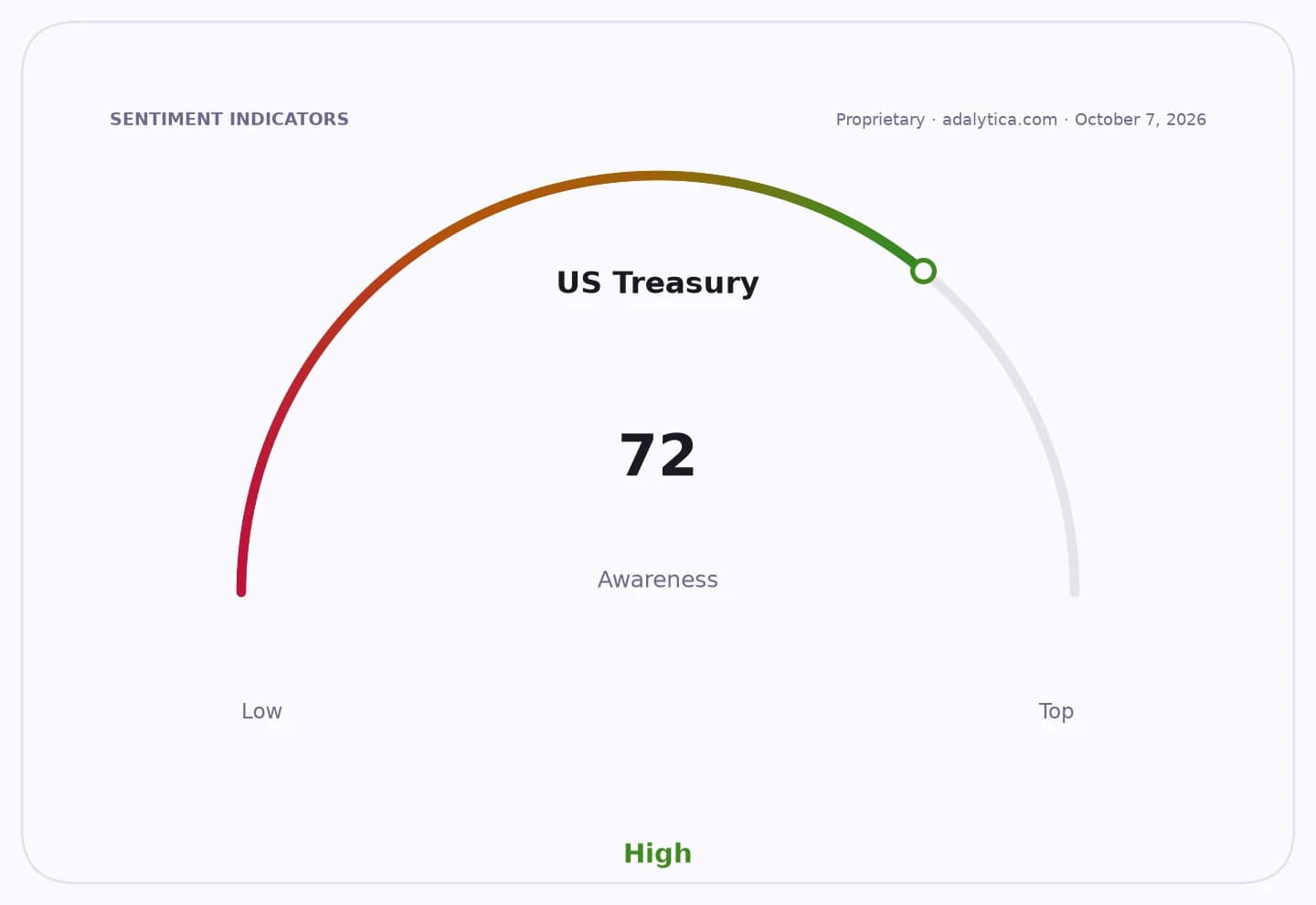
This is a snapshot — live sentiment, awareness and momentum for 130+ markets update continuously in the dashboard.Open AlphaPulse
Lula’s pitch is an old Brazilian one: hold together conflicting interests and keep the system governable. His camp combines social democrats, liberals and Christian democrats, with former rival Geraldo Alckmin as vice president, a signal to business that the coalition is built to accommodate markets, industry and environmental concerns at once. The appeal is not ideological purity but predictability — and in a country where policy swings can move asset prices quickly, predictability is investable.
Flávio Bolsonaro represents the opposite bet. According to the professor quoted in the source material, he stands for the new global hard right, with doubts about electronic voting, pressure on the Supreme Court and press, and a promise of amnesty for those convicted over the January 8, 2023 coup attempt. That makes the election a direct test of Brazil’s democratic guardrails, and of how much institutional friction investors are willing to tolerate in exchange for a more pro-market, pro-law-and-order posture.
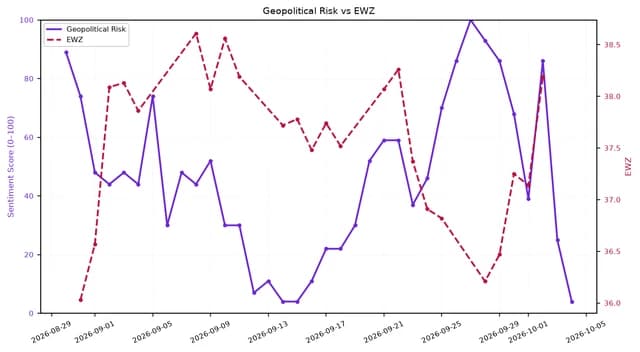
The economic stakes are unusually high because Brazil is not choosing between two marginally different centrist platforms. It is choosing between two competing ideas of sovereignty. The Lula camp is framed as defending the country’s ability to shape its own election rules, judiciary, and policy over strategic sectors such as critical minerals, technology and commodities. The Bolsonaro camp, meanwhile, is described as more closely aligned with Washington — at a moment when the US has already imposed tariffs of up to 50% and pressed Brazil on political dissent and access to critical minerals. That mix raises the possibility that foreign policy, trade and industrial strategy could become even more entangled with electoral politics.
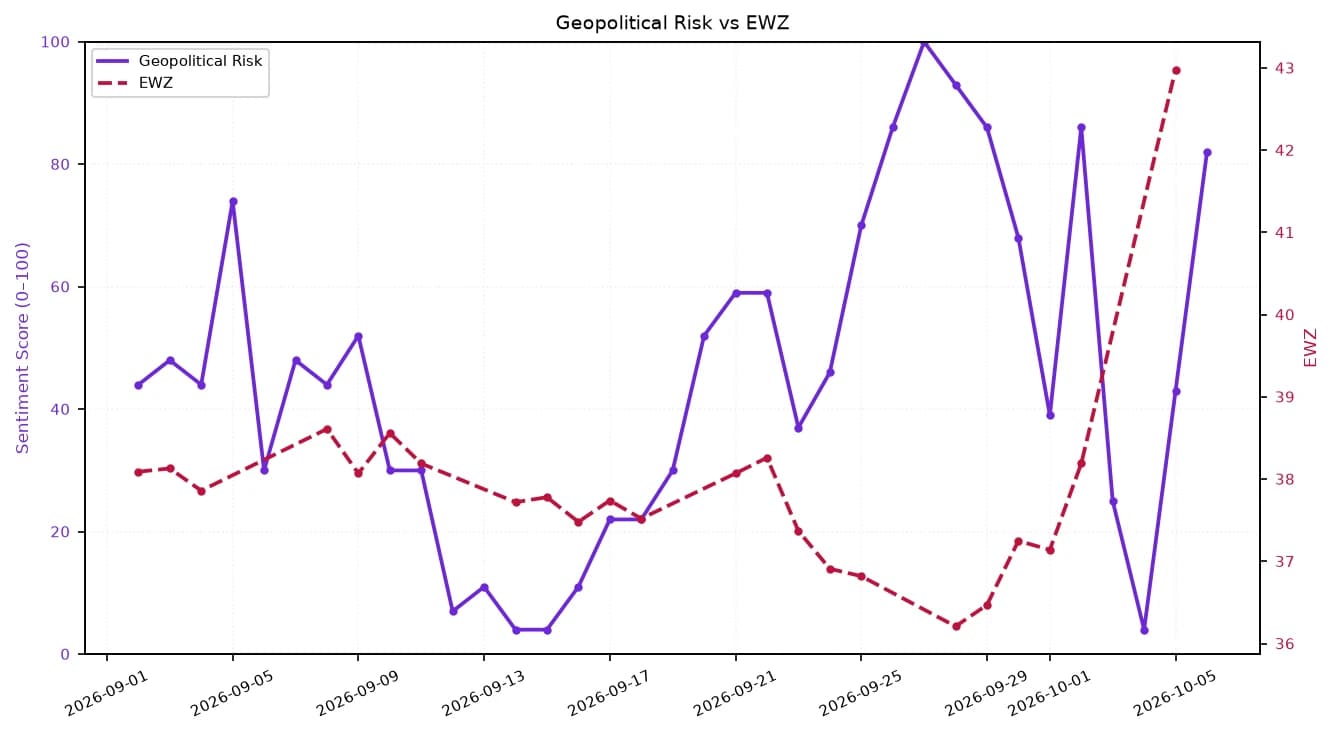
For investors, the market implication is clear: Brazil risk assets are vulnerable to headline shocks, but the bigger opportunity lies in the companies and funds that can survive political whiplash. The iShares MSCI Brazil ETF, EWZ, has been choppy but resilient around the high-$30s, while the Direxion Daily MSCI Brazil Bull 2X Shares, BRZU, has rebounded sharply and PBR, Petrobras, remains in an uptrend despite volatility. Those moves suggest traders are already positioning for a macro regime shift, not a routine election cycle.
The technical picture underscores that tension. EWZ is trading above its 50-day and 200-day moving averages, with recent gains and a mid-50s RSI reading that points to renewed momentum after a sharp pullback. BRZU is more volatile, but its rebound above both key moving averages shows how quickly leveraged Brazil exposure can reprice when the political narrative turns. Petrobras has also held above its longer-term averages, reflecting how energy and commodities can act as a partial hedge against domestic political uncertainty.
The broader lesson is that Brazil’s election is not just about ideology. It is about the cost of capital, the durability of institutions and the investability of the country’s strategic assets. If Lula wins, the market will likely focus on whether his coalition can preserve fiscal credibility while avoiding policy paralysis. If Bolsonaro returns, investors will have to weigh a potentially more market-friendly stance against the risk of institutional conflict, confrontation with the courts and a further erosion of democratic norms.
| Entity | Gains | Losses |
|---|---|---|
| Lula coalition | ▲Institutional continuity | ▼Political hardliners |
| Flávio Bolsonaro bloc | ▲Law-and-order voters | ▼Courts and press |
| Petrobras (PBR) | ▲Commodity-linked demand | ▼Policy uncertainty |
| EWZ / BRZU investors | ▲Volatility trading opportunities | ▼Passive risk-averse holders |