Brazil’s presidential race is going to a runoff on Oct. 25 after Jair Bolsonaro narrowly led Luiz Inácio Lula da Silva in the first round, a result that keeps Latin America’s largest economy in political limbo and sets up a market-moving fight over fiscal policy, state intervention and commodity strategy.
Brazil election heads to runoff after tight first round

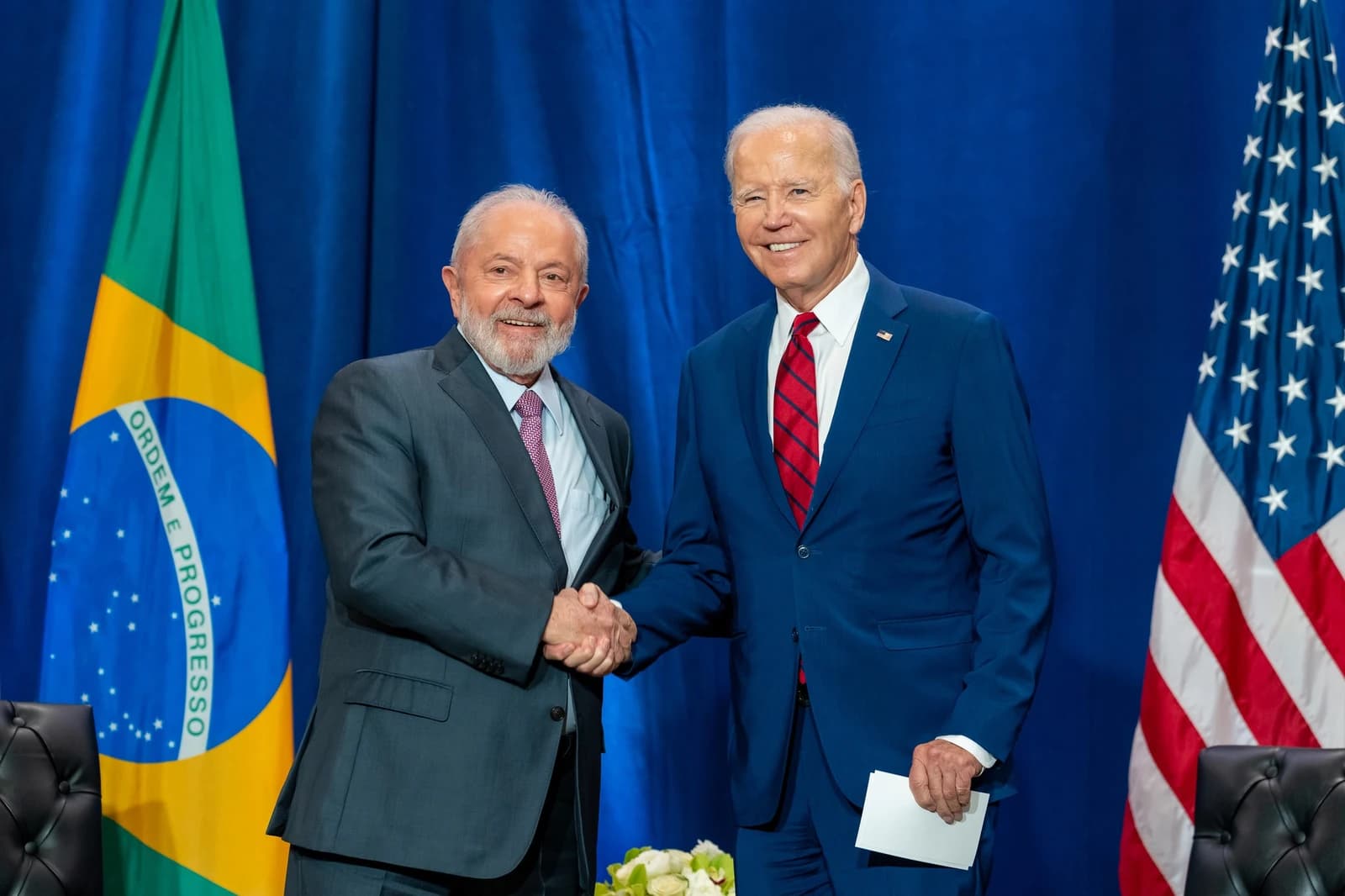
With nearly 99% of ballots counted, Bolsonaro held 47.18% to Lula’s 44.98%, missing the 50% threshold needed to win outright. The outcome was tighter than polls had suggested and reflected a late count that favored Bolsonaro as returns from the south came in before slower-tallied ballots from Lula strongholds in the northeast.
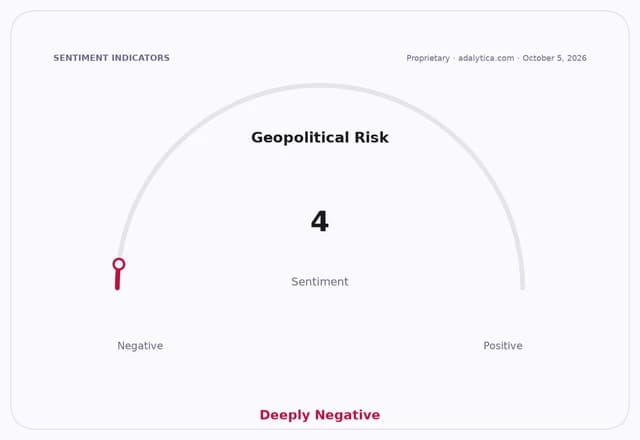
Sentiment IndicatorsⓘProprietary · adalytica.com · October 5, 2026
This is a snapshot — live sentiment, awareness and momentum for 130+ markets update continuously in the dashboard.Open AlphaPulse
For investors, the bigger issue is not who led on Sunday but what a Bolsonaro comeback would mean for Brazil’s policy mix. Markets have tended to favor the former president’s more market-friendly posture, while Lula’s return has raised questions about public spending, state control and the trajectory of debt in a country already wrestling with slow growth and strained public finances.
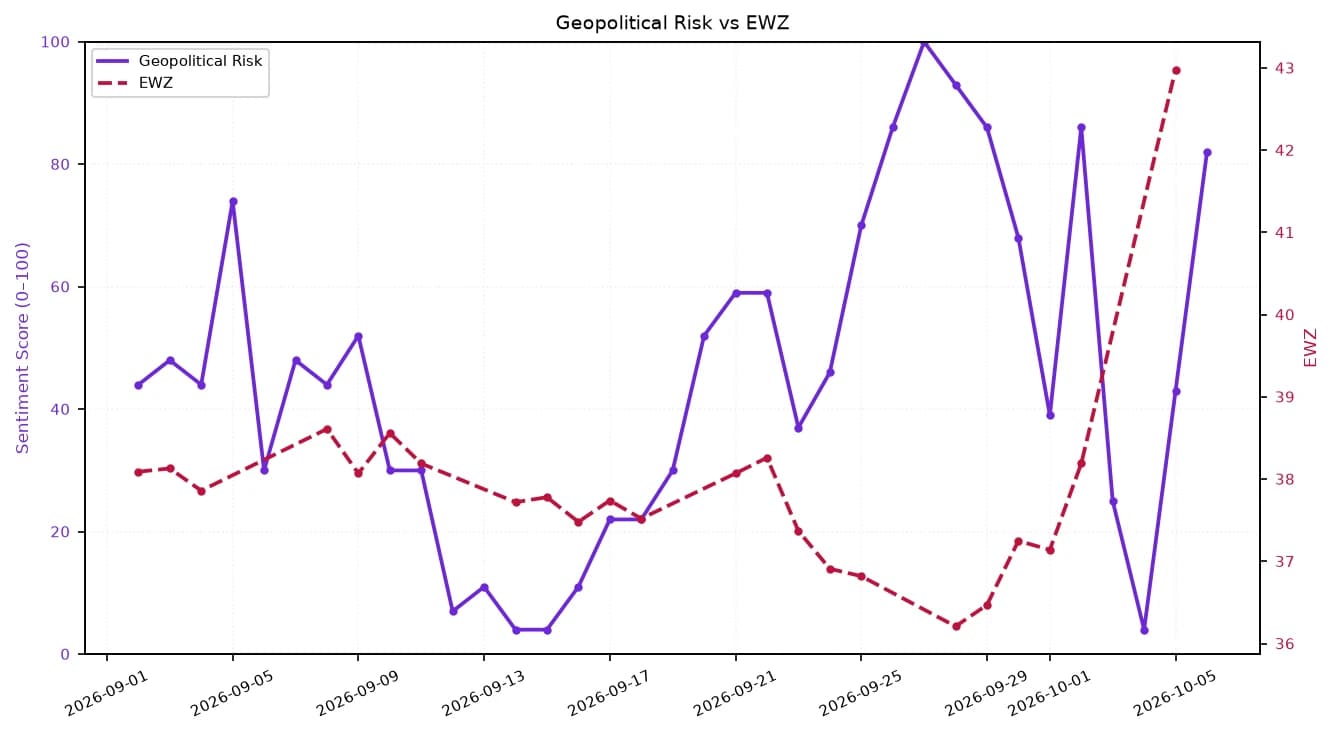
Brazil-linked assets showed the sensitivity immediately. The iShares MSCI Brazil ETF, EWZ, rose to $38.19 on Oct. 2 from $37.14 the prior session, while Petrobras ADRs climbed to $21.65 from $20.98. The real was steadier around 5.22 per dollar, but the move underscored how quickly the election can spill into equities, the currency and sovereign risk pricing.
Geopolitical Risk vs EWZadalytica.com
Explore this data interactively — full history, time series and cross-market comparisons.Open AlphaPulse
The result also defied pre-election surveys that had Lula first by about 3 percentage points, though most polls had already indicated he would fall short of an outright win. Analysts said some of Bolsonaro’s support may have come from anti-Lula protest votes rather than firm backing for the Bolsonaro family, but the first-round showing still strengthens the right-wing bloc heading into the runoff.
The campaign has been defined less by policy detail than by corruption baggage, economic unease and accusations of U.S. meddling. Both finalists skipped the main TV debates, leaving investors to trade more on the likely balance of power than on any clear program for taxes, spending or market reform.
The runoff now becomes the key catalyst for Brazil assets, with surveys suggesting a close race and the vote likely to reset expectations for the Brazilian real, local rates, state-controlled companies and foreign inflows. A Bolsonaro victory would probably extend the recent bid for Brazil risk assets; a Lula rebound would likely revive concern over fiscal discipline and intervention.
| Entity | Gains | Losses |
|---|---|---|
| Bolsonaro camp | ▲Momentum into runoff | ▼Need to defend narrow lead |
| Lula camp | ▲Opportunity to reset in runoff | ▼First-round underperformance |
| EWZ and Brazil equities | ▲Electoral clarity trade | ▼Political uncertainty before Oct. 25 |
| Petrobras and other state-linked stocks | ▲Market hopes for policy restraint | ▼Risk of heavier state intervention |