Flávio Bolsonaro is using his first-round lead and a stronger congressional base to push for constitutional change in Brazil, a move that would raise the political stakes for investors in Latin America’s largest economy by putting the Supreme Court, fiscal policy and institutional checks back at the center of the election.
Brazil Bolsonaro Pushes for Constitutional Change

The son of former President Jair Bolsonaro said he wants to “change the Constitution” to “re-democratize” Brazil, arguing that his party, the Liberal Party, now holds a majority in both houses of Congress. The PL won 28 of 81 Senate seats and 121 of 513 lower-house seats, giving it leverage over the next Senate and Chamber presidents and increasing the odds of a friendly legislative agenda.
Sentiment IndicatorsⓘProprietary · adalytica.com · October 8, 2026
This is a snapshot — live sentiment, awareness and momentum for 130+ markets update continuously in the dashboard.Open AlphaPulse
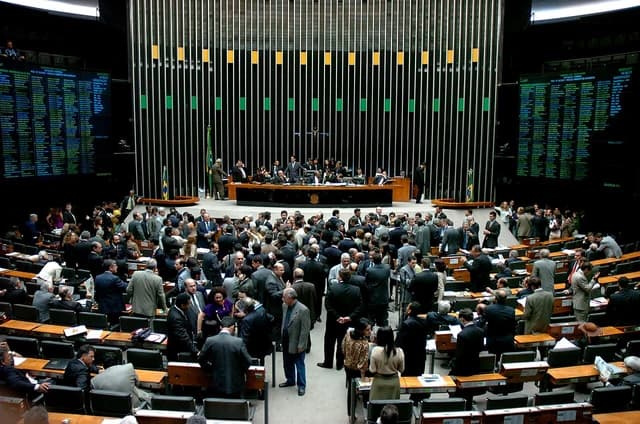
That matters because Brazil’s constitution is hard to change. Reforms must pass both chambers twice and clear a three-fifths threshold in each house, meaning 49 senators and 308 deputies. Flávio’s camp is betting that backing from the Progressive Party and União Brasil, both of which hold ministries in President Luiz Inácio Lula da Silva’s government, could widen that base further if he wins the presidency.
The immediate market implication is not just policy risk but institutional risk. Flávio and his allies have also campaigned against judges at the Supreme Federal Court, and campaign coordinator Rogério Marinho signaled the Senate would not be “omissive” toward the court, while proposing a rule change that would lower the bar for opening impeachment proceedings against justices from 54 votes to 49.
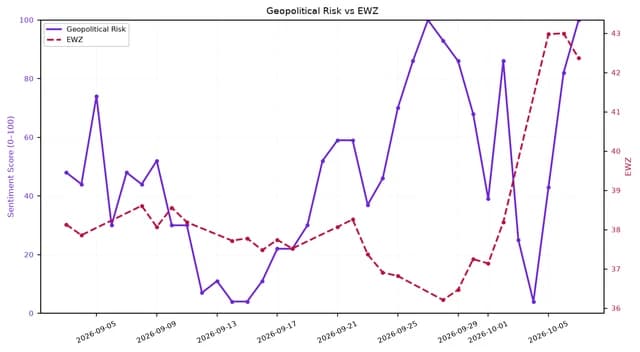
Brazilian assets have already been on alert. The EWZ Brazil ETF closed at $42.37 on Oct. 7, above both its 50-day and 200-day moving averages, after a steep run that left its RSI at 71.7, a level that typically indicates an overbought market. The leveraged BRZU fund ended the same day at $128.75, also above both moving averages, with RSI at 71.6, underscoring how much political optimism is already priced into Brazilian equities.
For investors, the narrative now is whether a Bolsonaro presidency would translate into a durable pro-market reform push or a confrontation with Brazil’s institutions that could unsettle the currency, bonds and bank and utility stocks exposed to regulatory noise. The next catalyst is the runoff campaign, along with the shape of any post-election congressional coalition and early moves on Supreme Court oversight and constitutional reform.
| Entity | Gains | Losses |
|---|---|---|
| PL / Bolsonaro bloc | ▲More leverage in Congress | ▼Harder path to institutional checks |
| Constitutional reform backers | ▲Chance to alter rules and courts | ▼Higher political confrontation risk |
| Brazilian equities / EWZ / BRZU longs | ▲Hope for pro-business agenda | ▼Risk of policy volatility |
| STF / institutional moderates | ▲None from this push | ▼More pressure on court independence |