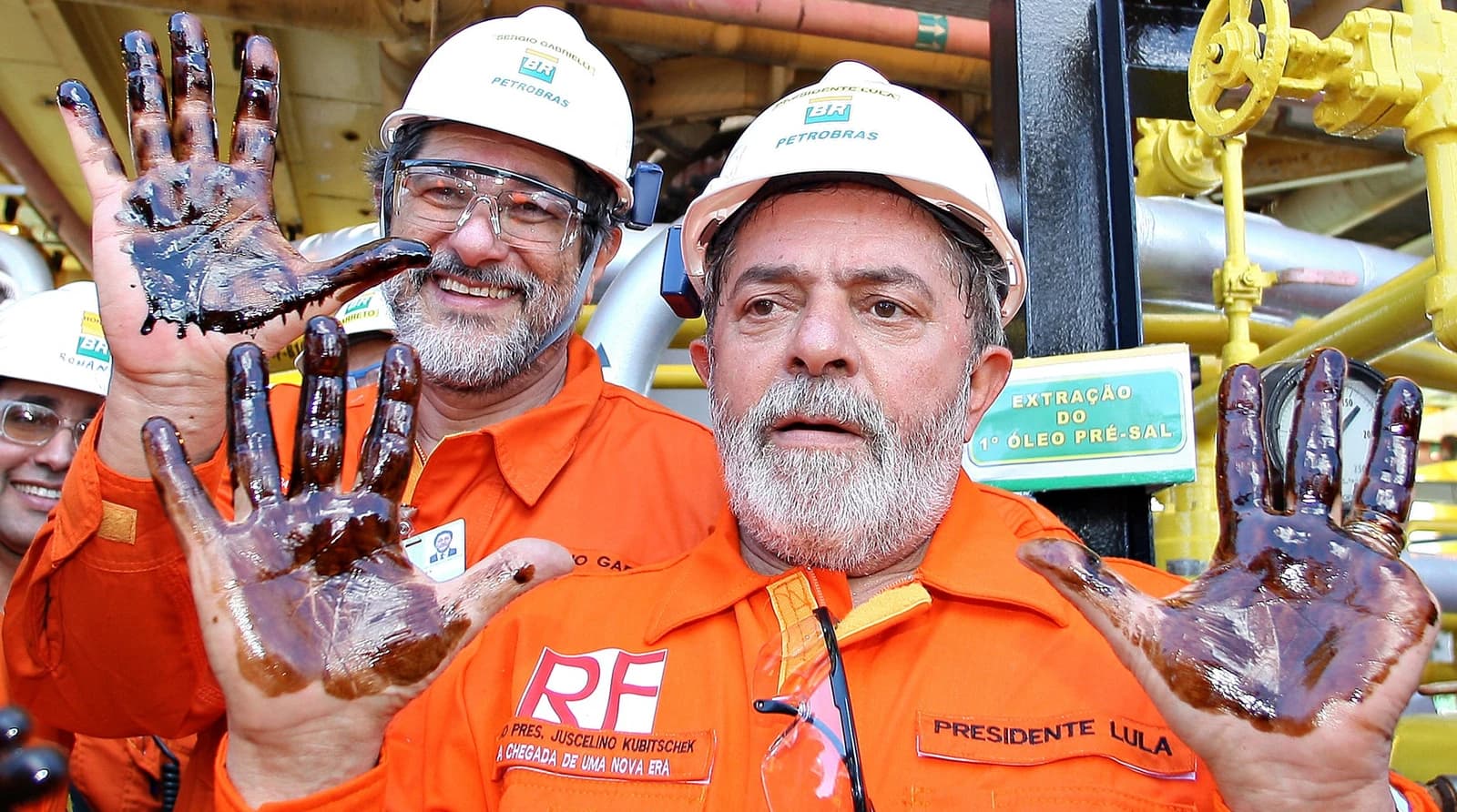
Brazil’s weekend election has done the most immediate damage not to the presidential race, but to the guardrails around the Amazon, where a stronger right-wing bloc in Congress could make it easier to open Indigenous land to mining and weaken environmental enforcement.
Brazil Congress Election Raises Amazon Mining Risk

That matters because Brazil sits at the center of the world’s biggest tropical rainforest, a critical climate buffer and a major source of long-term investor concern across commodities, agriculture and emerging markets. If Congress becomes more permissive toward mining and land conversion, the economic winners may be gold producers, ranchers and developers — but the cost can show up in higher deforestation, more legal uncertainty and deeper social conflict.
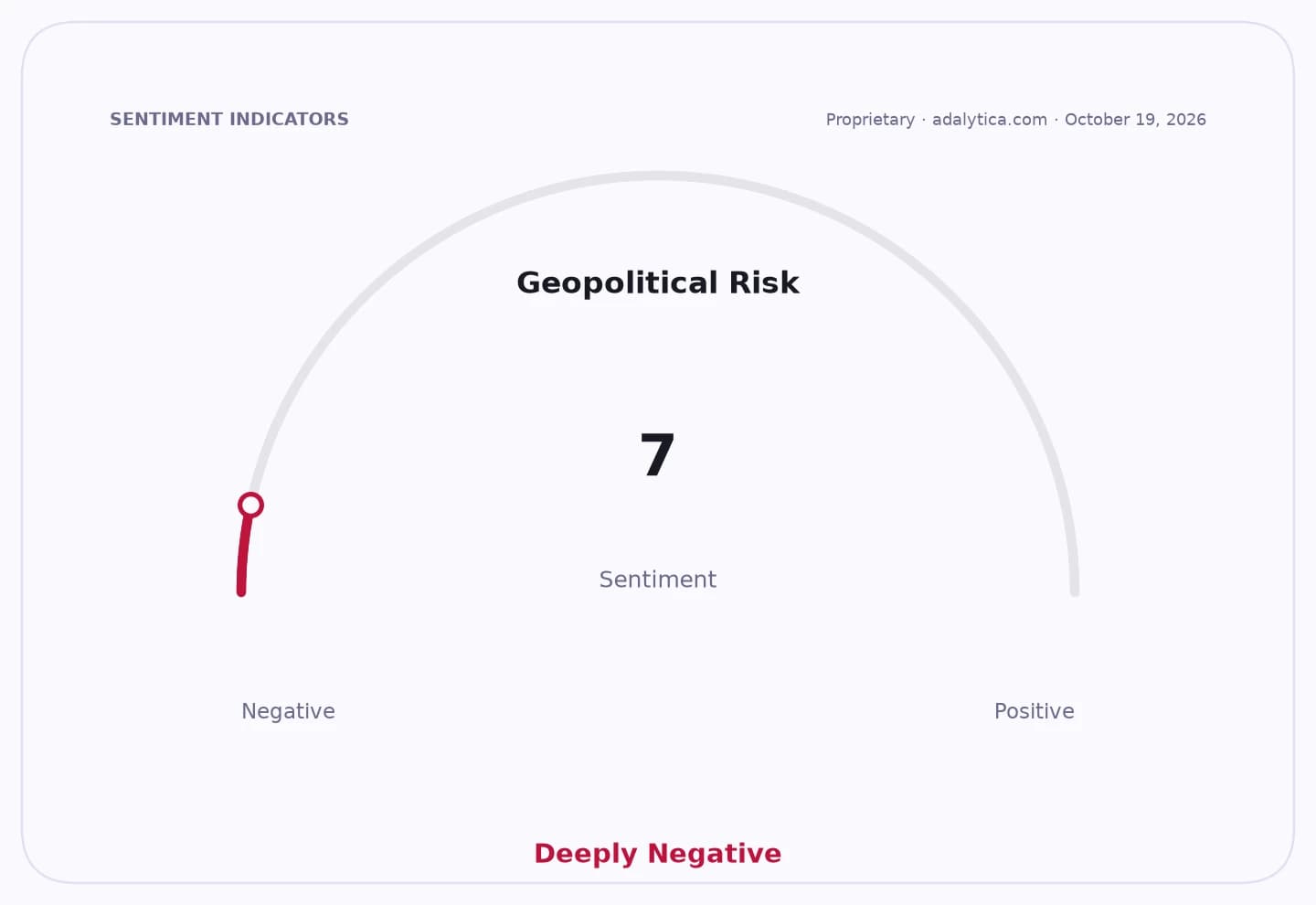
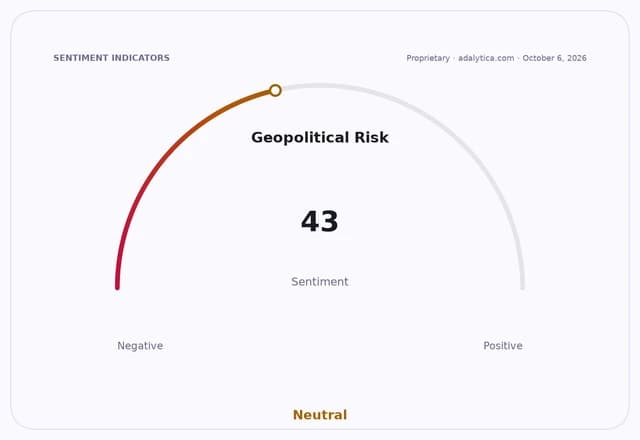
Sentiment IndicatorsⓘProprietary · adalytica.com · October 6, 2026
This is a snapshot — live sentiment, awareness and momentum for 130+ markets update continuously in the dashboard.Open AlphaPulse
Bolsonaro’s Liberal Party emerged as the largest force in both houses, winning about a third of Senate seats and nearly a quarter of the Chamber of Deputies. Indigenous and environmental groups say that shift increases the odds lawmakers will approve policies favoring mining on Indigenous territories, even if Luiz Inácio Lula da Silva wins the runoff against Flávio Bolsonaro on Oct. 25.
The stakes are high because Congress will play a central role in any future law governing mining on Indigenous land. Brazil’s Supreme Court has already ordered lawmakers to regulate the issue, and activists fear the next legislature — sworn in in 2027 — will be more inclined to dilute protections than preserve them. For long-term investors, that means policy risk is not going away with the presidential vote.
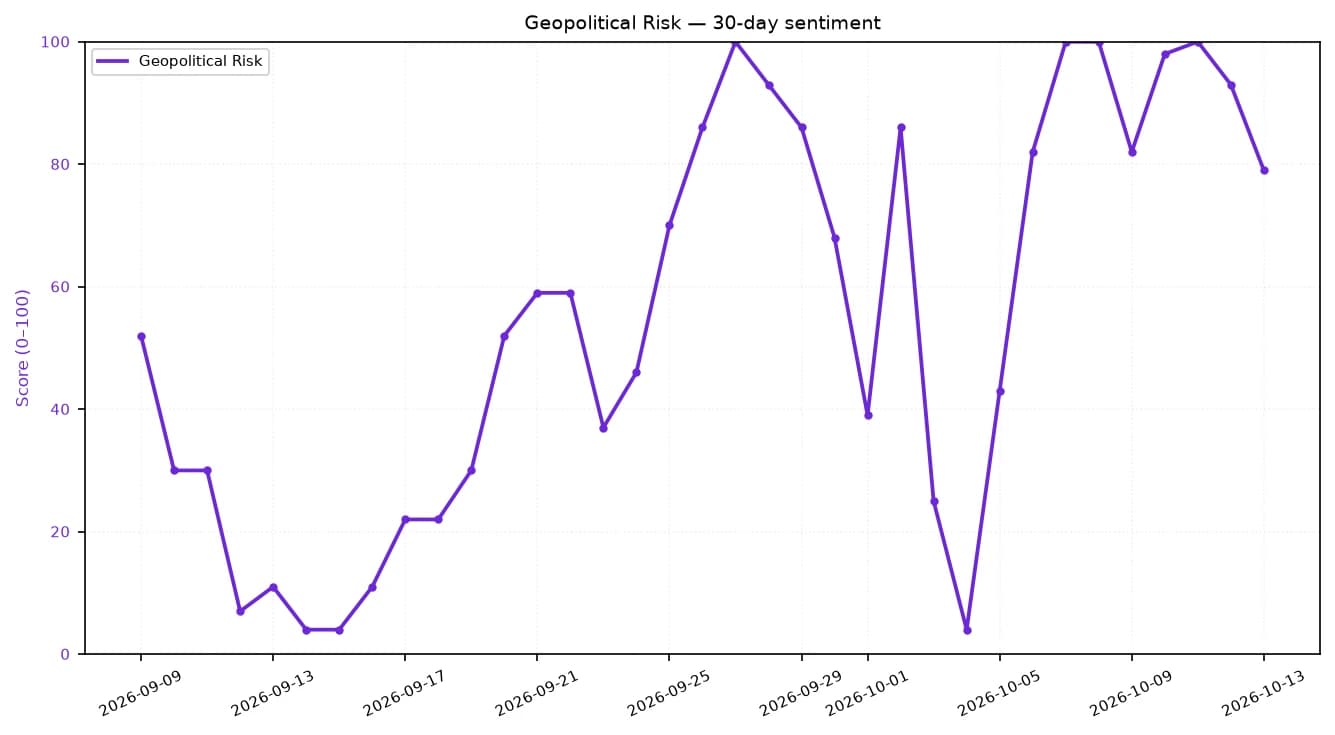
Geopolitical Risk — 30-day sentimentadalytica.com
Explore this data interactively — full history, time series and cross-market comparisons.Open AlphaPulse
There is also a financial market angle. Gold prices have been strong globally, and that has helped revive pressure on the Amazon. Illegal mining expanded nearly sevenfold in Indigenous territories between 2016 and 2024, according to one recent analysis cited in the reporting, underscoring how quickly commodity booms can become environmental and political risks. That’s a problem not just for Indigenous communities but for anyone exposed to Brazilian assets tied to land use, commodities or regulation.
Lula’s government has slowed the surge in Amazon deforestation and stepped up enforcement against illegal gold mining, but activists say it has not gone far enough on demarcating Indigenous lands. That leaves investors facing a familiar Brazil trade-off: better environmental stewardship under Lula, but still a volatile political environment and a Congress that may be more hostile to reform than the executive branch.
For investors, the lesson is simple. Brazil’s long-term opportunity is still enormous, but the country’s Amazon policy has become a live macro issue, not a niche social one. Watch the runoff, watch Congress, and watch whether the next government can defend protections without losing political support. In Brazil, the land debate is an investment debate.
| Entity | Gains | Losses |
|---|---|---|
| Bolsonaro-aligned parties | ▲More congressional power | ▼Less policy resistance |
| Indigenous communities | ▲Public visibility | ▼Land protections |
| Environmental groups | ▲Broader awareness | ▼Regulatory momentum |
| Mining and ranching interests | ▲Easier access | ▼Stronger oversight |