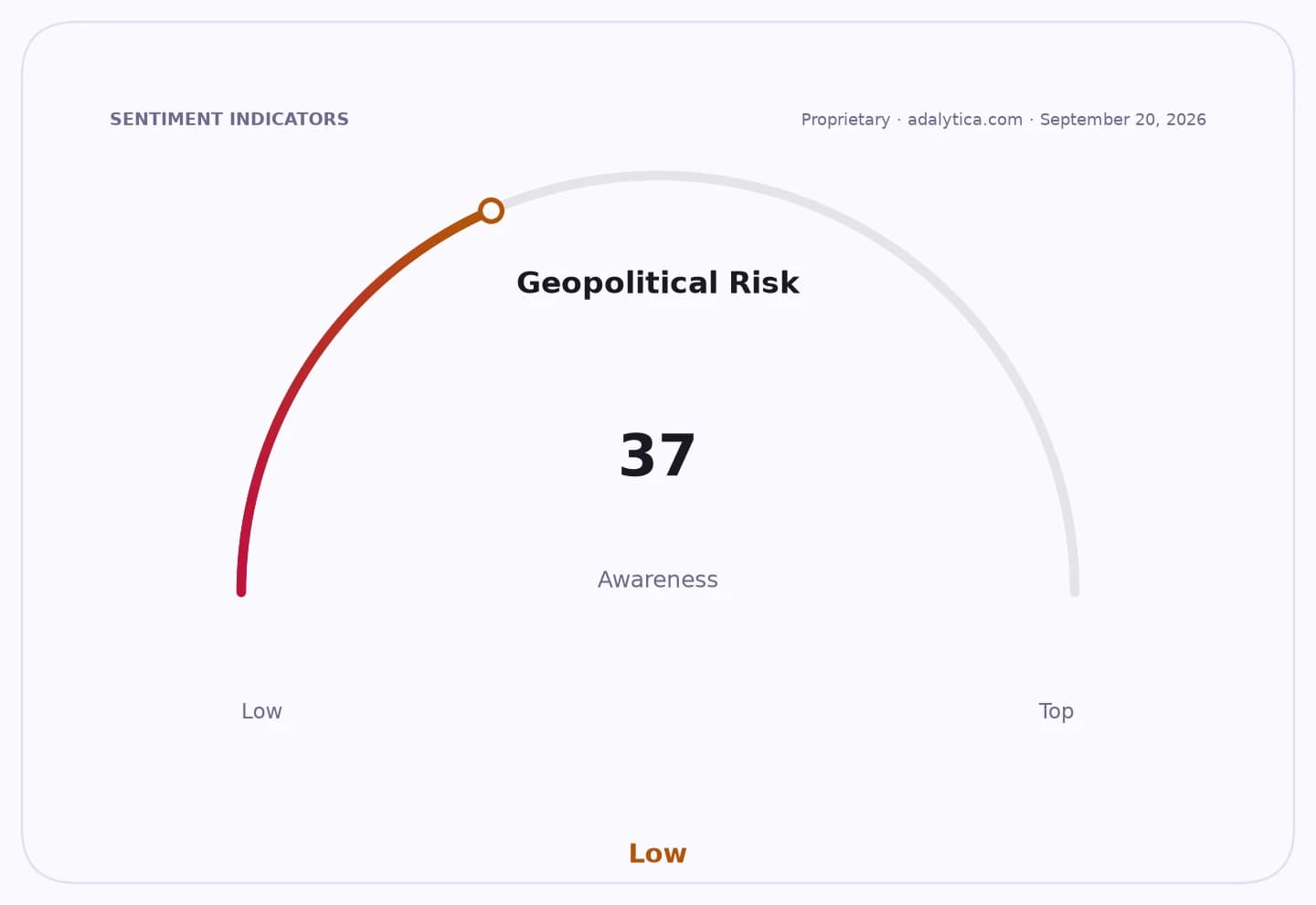
President Donald Trump singled out Brazil’s PCC and CV criminal gangs in a congressional drug report, but stopped short of labeling Brazil a failed counter-narcotics state — a distinction that lowers the immediate risk of fresh U.S. sanctions even as it keeps pressure on Brasília over organized crime.
Brazil Drug Report Avoids Failed-State Label
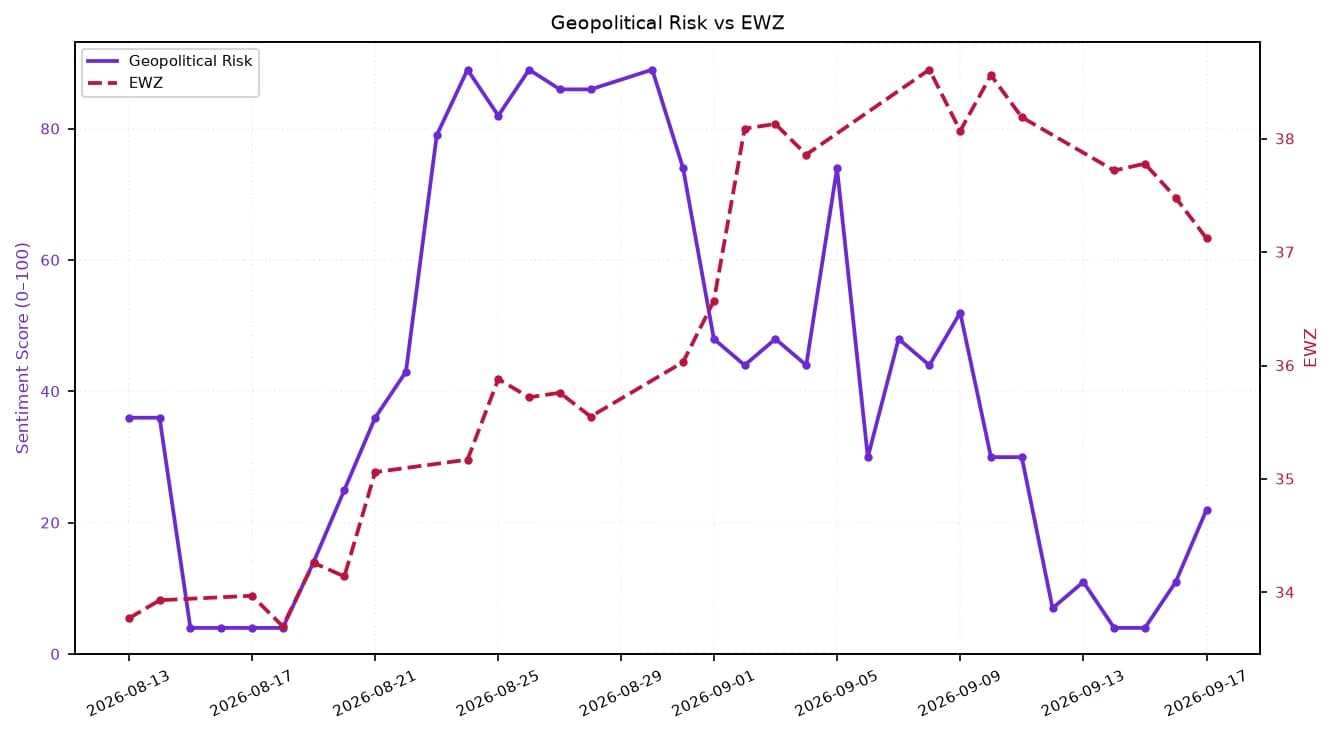
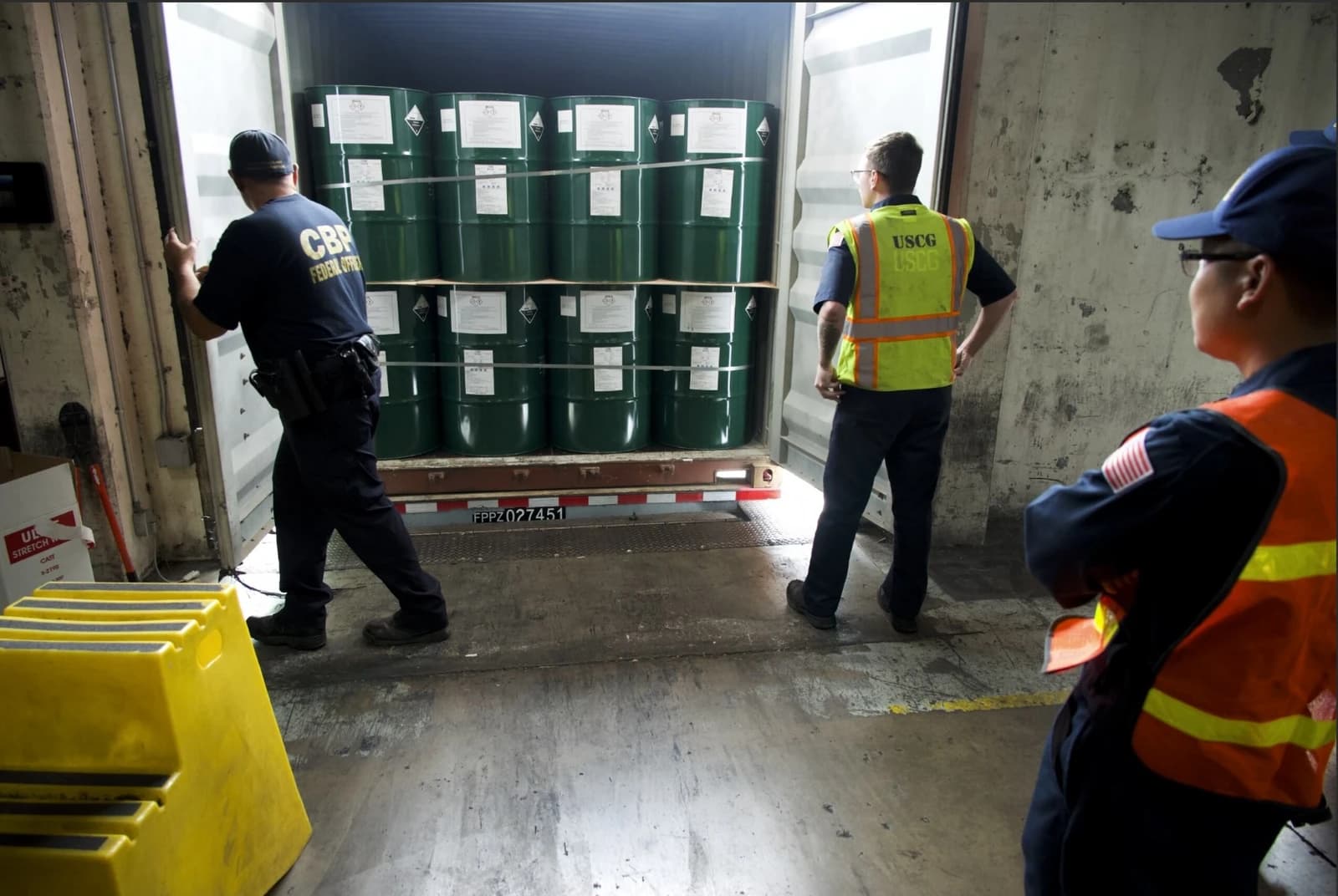
The document says Brazil has become a hub for global cocaine flows and that the government has not done enough to confront the Primeiro Comando da Capital and Comando Vermelho, which Washington already designated as foreign terrorist organizations in June. That designation broadens U.S. authorities’ ability to impose sanctions and target people and entities tied to the groups.
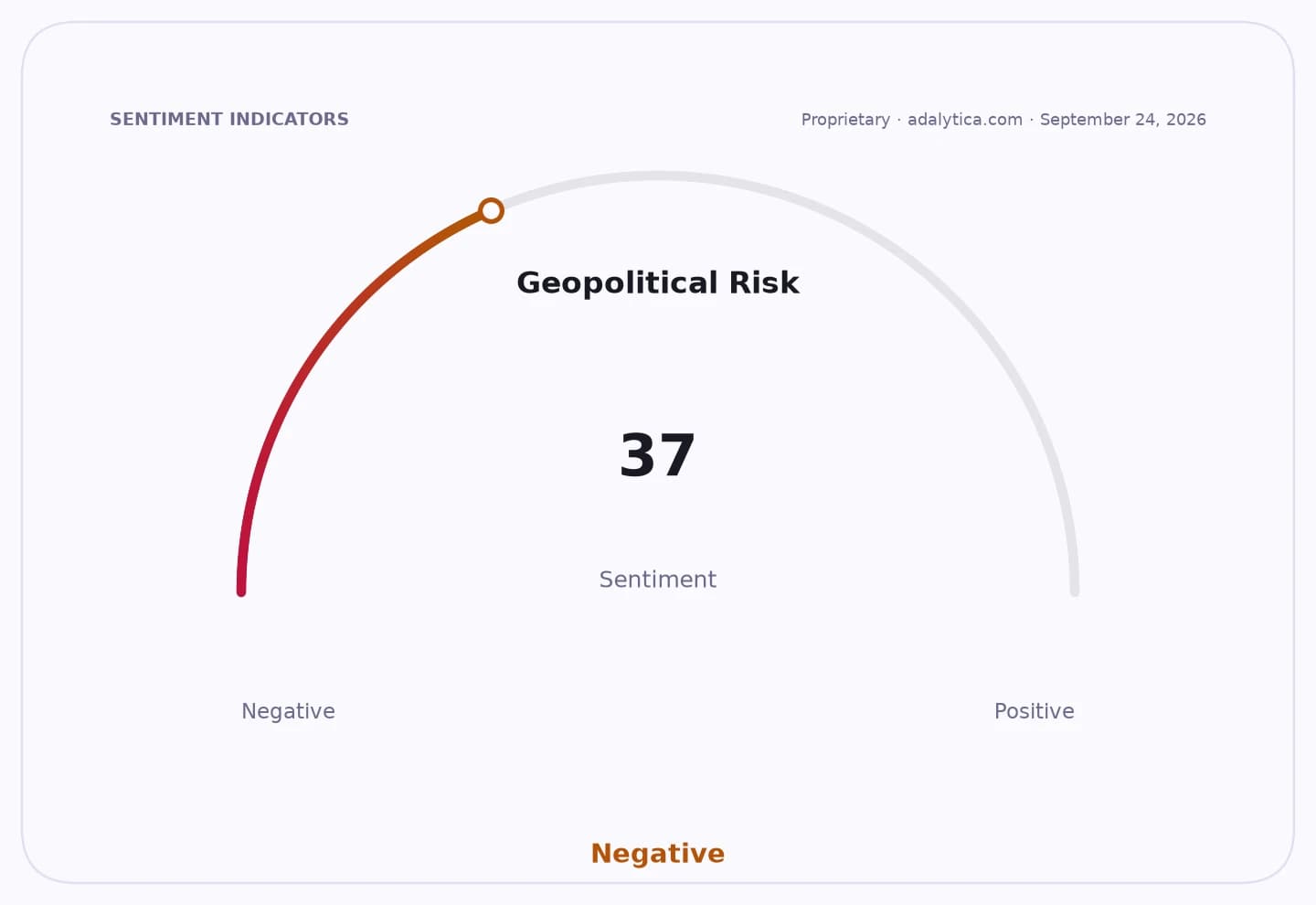
Sentiment IndicatorsⓘProprietary · adalytica.com · September 17, 2026
This is a snapshot — live sentiment, awareness and momentum for 130+ markets update continuously in the dashboard.Open AlphaPulse
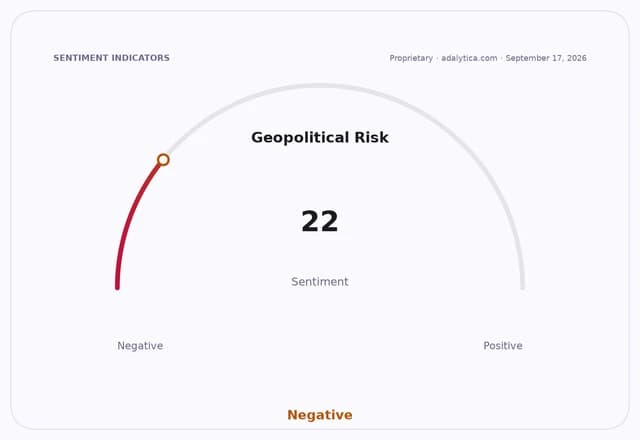
For investors, the key point is that Brazil is being named in a politically charged U.S. security document without being placed alongside the countries formally deemed to have “failed demonstrably” to meet anti-drug obligations. That helps explain why Brazil-linked assets did not face the kind of direct policy overhang that would usually follow a harsher classification.
The report contrasts sharply with Trump’s criticism of Canada, Mexico and China, where he demanded tougher action on fentanyl precursors and cross-border trafficking. It also praises new governments in parts of South America, underscoring that Washington is using the annual drug review as both a law-enforcement assessment and a foreign-policy signal to allies and rivals.
Brazil’s omission from the U.S. list of major illicit-drug transit or production countries should also limit the immediate economic fallout, even if the rhetoric keeps the country under scrutiny. For Brazilian equities and the real, the bigger near-term driver remains whether the episode widens into sanctions talk or stays at the level of diplomatic pressure.
Brazilian markets have shown they can absorb political noise, but the latest comments still matter for sentiment around the country’s security outlook and regional trade ties. EWZ has recently traded above both its 50-day and 200-day moving averages, while the broader risk backdrop, tracked by conventional technical indicators, remains constructive.
The next catalyst is whether Brazil’s foreign ministry responds formally and whether Washington turns the PCC/CV designation into broader enforcement against Brazilian financial or commercial networks.
| Entity | Gains | Losses |
|---|---|---|
| U.S. drug policy hawks | ▲tougher rhetoric | ▼diplomatic nuance |
| Brazil government | ▲avoids failed-state label | ▼scrutiny over crime |
| Brazilian assets | ▲no new sanctions trigger | ▼headline risk |
| PCC/CV networks | ▲none | ▼higher U.S. enforcement risk |