Older candidates are turning Brazil’s ENEM into a job-market tool, using the exam to change careers, seek a second degree and prepare for retirement-age reinvention.
Brazil ENEM draws adult candidates seeking career change
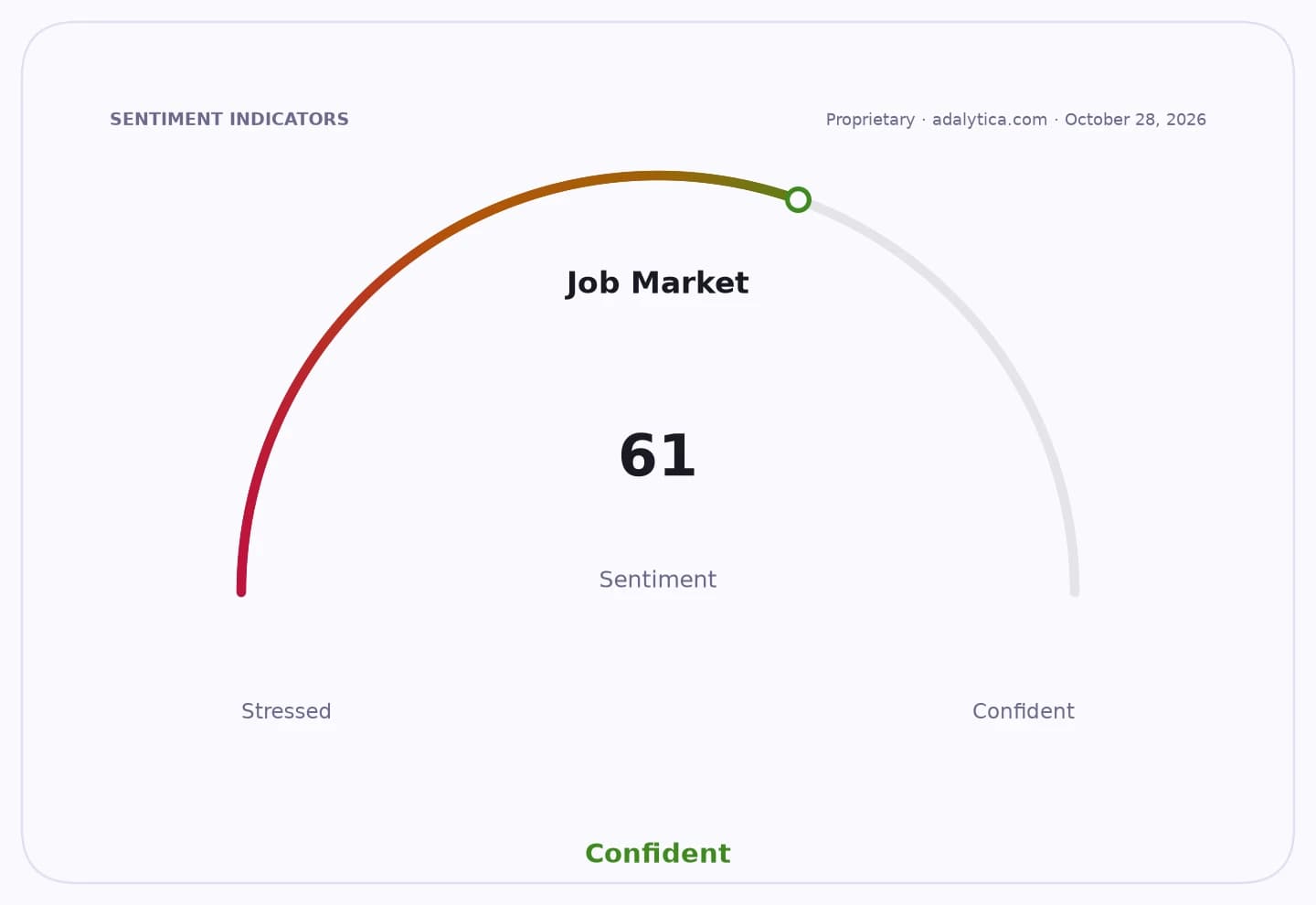
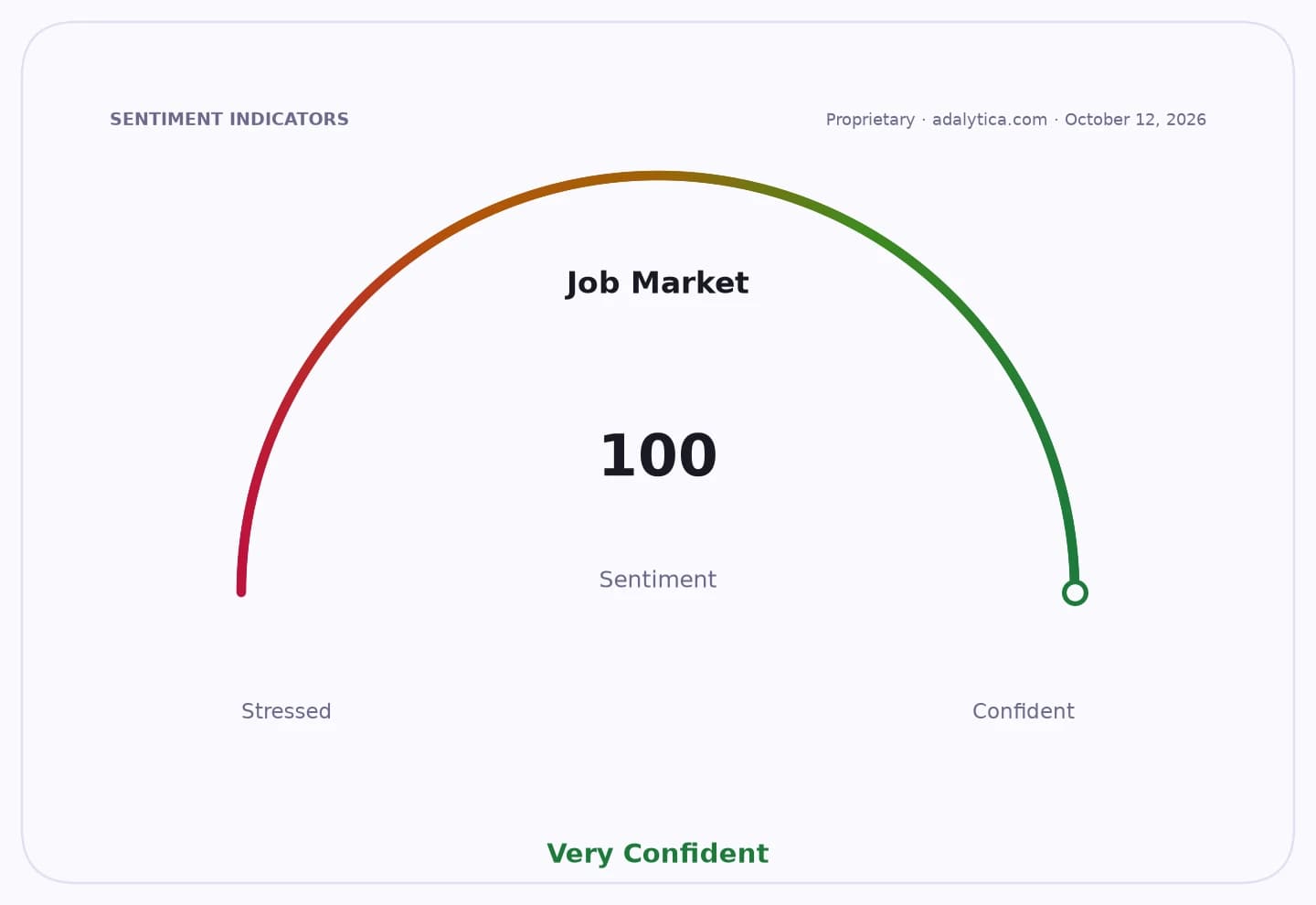
Job Market
At the school gate this year, the test is not just a rite of passage for teenagers. It is also pulling in workers in their 30s, 40s and 60s who see higher education as a route to better pay, more stability or a new profession in a labor market that keeps changing.
Sentiment Indicators
The stories around the exam underscore how the ENEM remains one of the country’s most important gateways to university and scholarships, especially for adults who cannot afford to step away from work. For these candidates, the test is less about adolescence than about mobility: a chance to move from clinical labs to pharmacy, from nursing to physiotherapy, or from public-sector security to teaching.
Neide Santos, 61, a pedagogy graduate, takes the exam every year even though she does not plan another degree. She says the test helps her measure her own knowledge and stay close to what students face, particularly the essay, which remains a major hurdle even for experienced teachers.
Juliana Ferreira Valenzuela, 34, is taking the ENEM for the third time as she tries to enter pharmacy. Working in technical analysis, she squeezes study sessions into breaks and days off, a pattern that reflects the broader reality for adult candidates who must balance preparation with full-time jobs.
Ademilson Fernandes, 40, wants physiotherapy and hopes for a scholarship for a second degree. After five years away from the classroom, he says the return to study is stressful, but also necessary in an economy where workers increasingly feel they cannot rely on a single qualification.
Ivaldo Batista, 49, is preparing for his fifth ENEM and planning for life after retirement. Already a public servant for 27 years, he wants to study pedagogy and move into education, showing how the exam is also being used as a bridge into later-career reinvention rather than just first-time entry into the workforce.
The story matters because it points to a labor market where reskilling is becoming a defensive strategy, not a luxury. Adult students need flexible routes into higher education, and institutions that can accommodate working candidates are likely to gain from that demand.
The pressure on the essay also stands out as a common bottleneck. Across age groups, candidates describe the writing section as the most intimidating part of the exam, reinforcing why strong language skills can be as important as subject knowledge in accessing university places and scholarships.
For investors and policymakers, the broader signal is that education remains a critical labor-market transition mechanism in Brazil. Any improvement in access to scholarships, flexible degree formats or adult education pathways could support workforce reallocation, while weak access keeps the burden of retraining on individuals.
Attention now turns to ENEM results and scholarship opportunities, which will determine whether these candidates can convert years of work and study into new credentials and, for some, a new career entirely.
| Entity | Gains | Losses |
|---|---|---|
| Adult ENEM candidates | ▲Career mobility | ▼Time and energy |
| Universities and scholarship programs | ▲More applicants | ▼Higher demand pressure |
| Employers with rigid skill needs | ▲Less turnover | ▼Harder worker retention |
| Workers stuck in one field | ▲Reskilling options | ▼Lost flexibility |