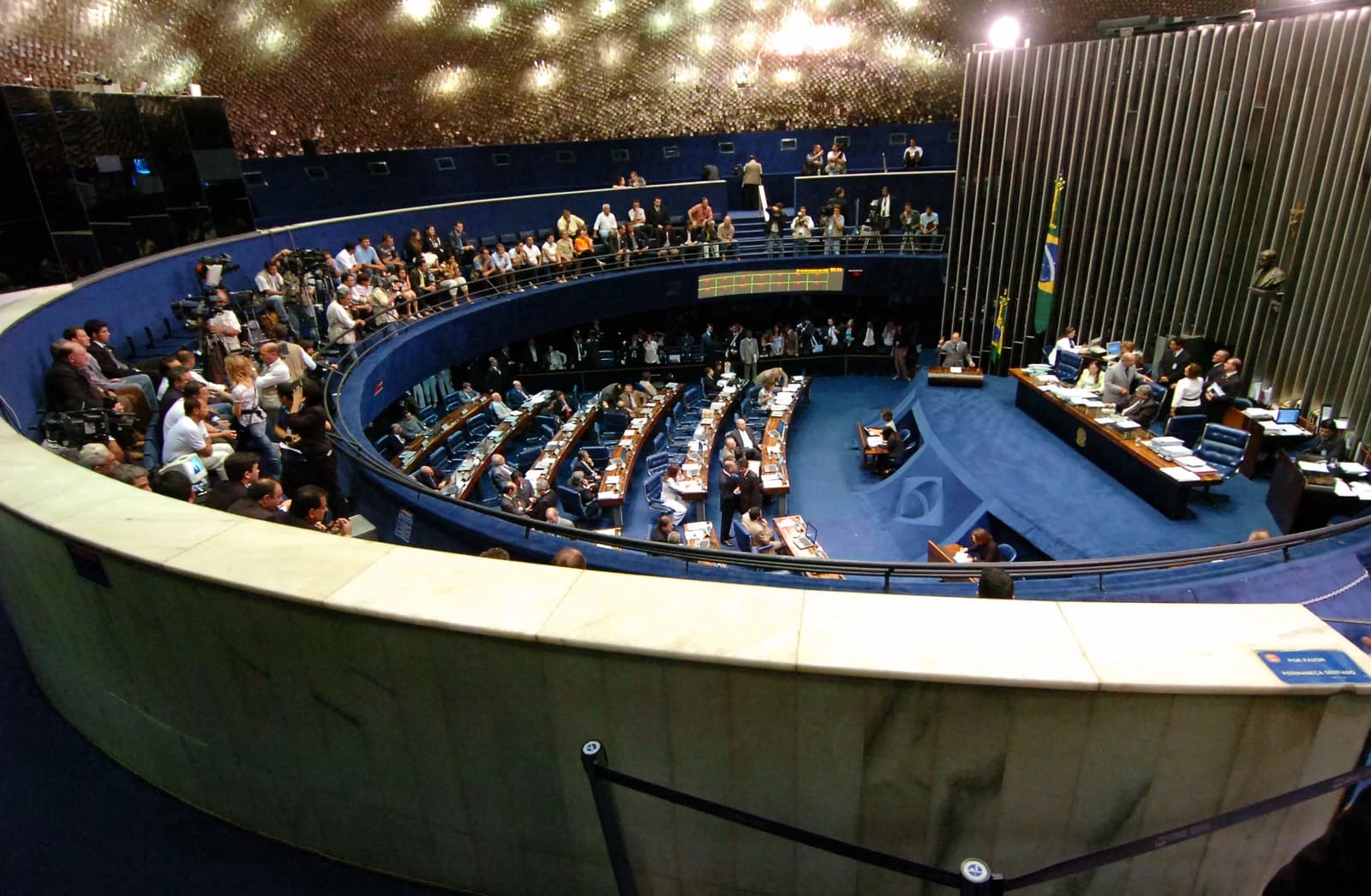
Brazil’s lower house is due to vote Wednesday on a package that would raise the Microempreendedor Individual revenue ceiling and grant debt relief to millions of small-business owners, a move that could reshape formalization incentives for Brazil’s smallest firms and give President Luiz Inácio Lula da Silva a politically useful win ahead of the 2026 election cycle.
Brazil MEI Bill Raises Revenue Cap, Adds Debt Relief
The legislation matters because it goes beyond a simple tax tweak. By lifting the MEI annual turnover cap from 81,000 reais, unchanged for more than eight years, to 110,000 reais in 2027 and 140,000 reais in 2028, lawmakers would expand the range of entrepreneurs able to remain in a simplified tax regime that offers lower compliance costs, fixed monthly contributions and easier access to financial services. The bill also raises the maximum number of workers a MEI can hire from one to two, widening the model’s relevance for very small employers.
Sentiment IndicatorsⓘProprietary · adalytica.com · October 16, 2026
This is a snapshot — live sentiment, awareness and momentum for 130+ markets update continuously in the dashboard.Open AlphaPulse
For the economy, the proposal is a bet that easier formalization can support microenterprise growth at a time when household balance sheets and small-business credit quality remain under strain. The package includes forgiveness of tax debts for MEIs in the federal registry of delinquent taxpayers, which the Finance Ministry says could benefit about 3.6 million people. It also folds in the government’s broader small-business agenda, including Pix MEI grants of up to 5,000 reais for investment and the Desenrola MEI program to buy bank loan portfolios tied to this borrower class.
That debt-relief element is the part investors will watch most closely. The government says MEI bank debts total about 6 billion reais, a relatively small sum in system-wide terms, but one that can influence consumer-finance lenders, payment processors and banks with exposure to microcredit and small-ticket lending. Relief could improve repayment behavior and formal participation over time, but it also risks reinforcing expectations that arrears will eventually be socialized, encouraging moral hazard in a segment already prone to income volatility.
The legislative route is still not assured. Because the measure is a complementary bill, it needs at least 257 votes in the Chamber before moving to the Senate. House Speaker Hugo Motta inserted it into Wednesday’s agenda a day after Lula unveiled Prospera MEI, underscoring how the government is trying to pair fiscal concessions with a political message aimed at small entrepreneurs, a key constituency in Brazil’s fragmented economy.
For markets, the package is not a macro event in the traditional sense, but it does touch several sensitive channels: small-business formalization, bank lending to lower-income borrowers, and the broader fiscal debate over targeted relief programs ahead of an election year. If approved, the bill would signal that Brasília is willing to trade short-term budget costs for support to microenterprises, while leaving open the question of whether the gains in formal activity will outweigh the cost of subsidized debt cleanups.
The main catalyst now is Wednesday’s vote in the Chamber and, if it passes, the Senate’s response. Investors in Brazilian financials, payments and domestic-demand names will be watching whether the final text preserves the debt forgiveness and the higher MEI ceiling, or whether lawmakers trim the package to reduce fiscal and credit-market concerns.
| Entity | Gains | Losses |
|---|---|---|
| MEI entrepreneurs | ▲Lower taxes, debt relief | ▼Higher compliance scrutiny later |
| Lula government | ▲Political goodwill | ▼Fiscal cost, moral hazard risk |
| Banks and lenders | ▲Cleaner loan books if repayments improve | ▼Forgiveness hit, weaker recovery rates |
| Formal-sector rivals | ▲Less immediate benefit from MEI expansion | ▼More competition from expanded MEIs |