Brazil’s lower house has cleared a sweeping package that would forgive some debts owed by microentrepreneurs and raise the limits that define and size the country’s microenterprise regime, a move that could ease pressure on millions of small businesses and boost formalization if it survives the Senate.
Brazil MEI Debt Relief Bill Advances in Lower House

The Chamber of Deputies approved the two complementary bills with an overwhelming 461 votes in favor and just four against, underscoring rare cross-party support for relief aimed at microempreendedores individuais, or MEIs. The measure now heads to the Senate and, if enacted, would expand the room MEIs have to operate by increasing both the revenue ceiling and the number of workers they can employ.
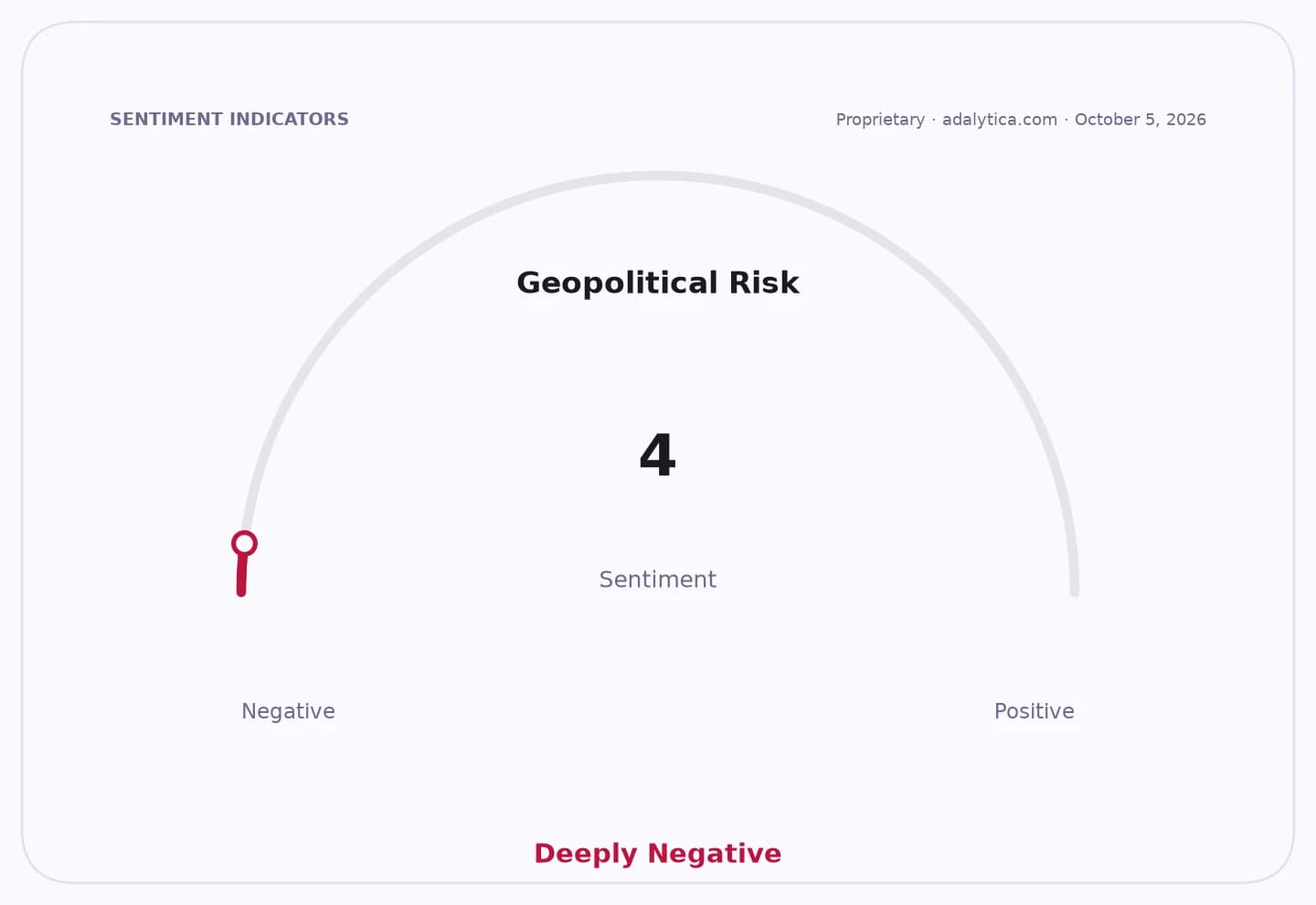
Sentiment IndicatorsⓘProprietary · adalytica.com · October 17, 2026
This is a snapshot — live sentiment, awareness and momentum for 130+ markets update continuously in the dashboard.Open AlphaPulse
That matters because MEIs sit at the core of Brazil’s small-business economy. For many shop owners, freelancers and service providers, the regime is the easiest path into the formal economy, with lower taxes and simpler compliance than a full corporate structure. Raising the cap gives successful microbusinesses a better chance to keep growing without being pushed abruptly into a more expensive tax bracket, while debt forgiveness could help distressed operators stay open rather than shutting down or moving deeper into the informal sector.
For investors, the policy is more than a social measure. Small businesses are a major engine of hiring, consumer activity and local demand, so any relief that reduces defaults and improves cash flow can ripple through banks, payment companies, fintechs and suppliers tied to Brazil’s microenterprise base. The broader backdrop also argues for caution: easy credit and weaker borrowers have become a recurring source of stress in emerging markets, and policymakers are increasingly using targeted relief to prevent that stress from becoming a wider drag on growth.
The market backdrop is mixed. Brazil’s real has recently shown little decisive trend, while broader emerging-market assets remain under pressure in a risk-sensitive global environment. In that setting, a cleaner balance sheet for small operators could support domestic activity even if it does not immediately move large-cap benchmarks.
The key question now is whether the Senate turns strong political backing into law without watering down the package. If it does, Brazil would be signaling that it wants its smallest businesses to scale, not just survive — a constructive long-term change for entrepreneurs and for investors looking for durable domestic growth themes.
| Entity | Gains | Losses |
|---|---|---|
| MEIs | ▲Debt relief, higher caps | ▼Collection pressure |
| Small-business lenders | ▲Lower default risk | ▼Less interest income |
| Banks and fintechs | ▲Healthier borrowers | ▼Weaker fee growth |
| Informal competitors | ▲Less regulatory burden | ▼Harder formal competition |