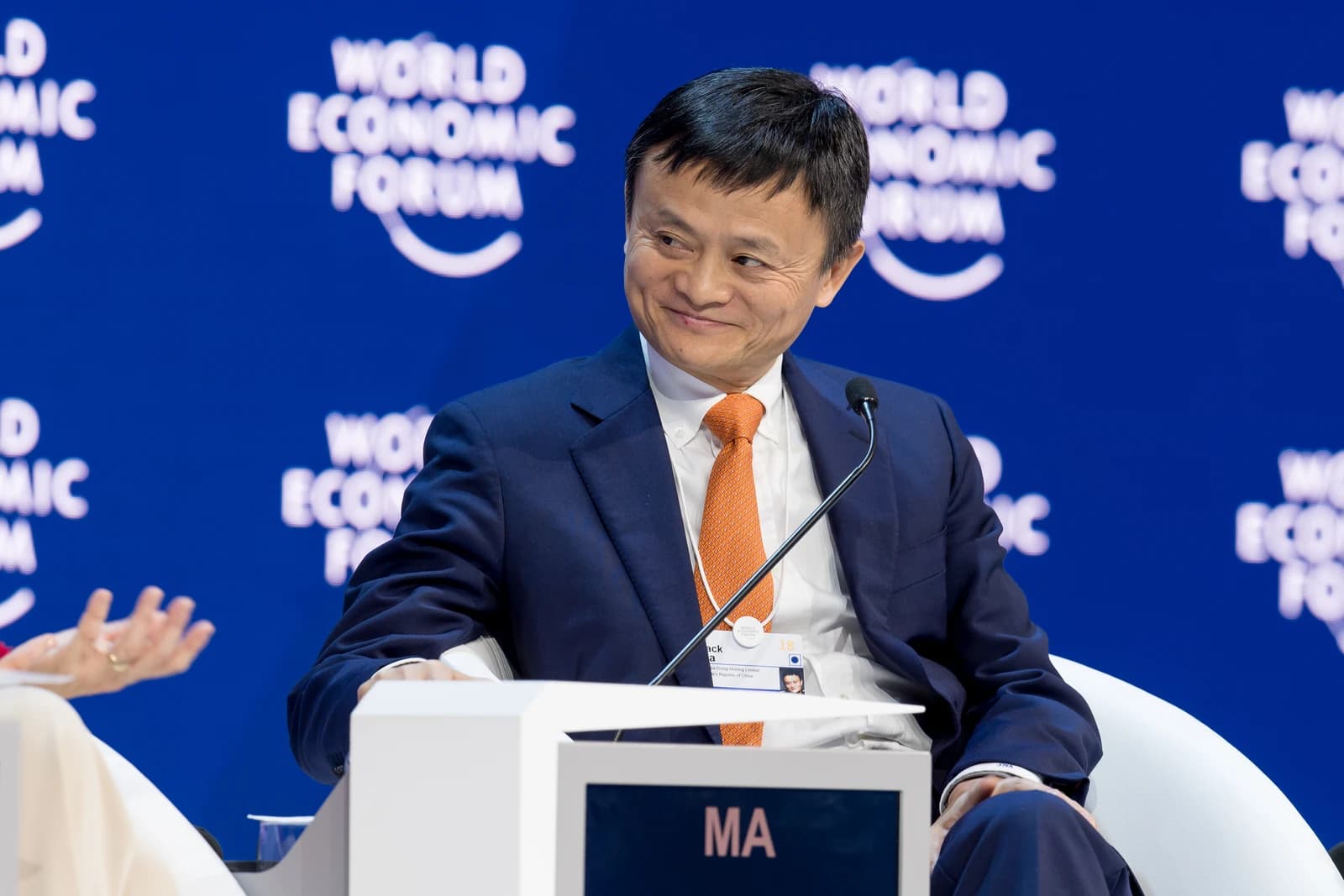
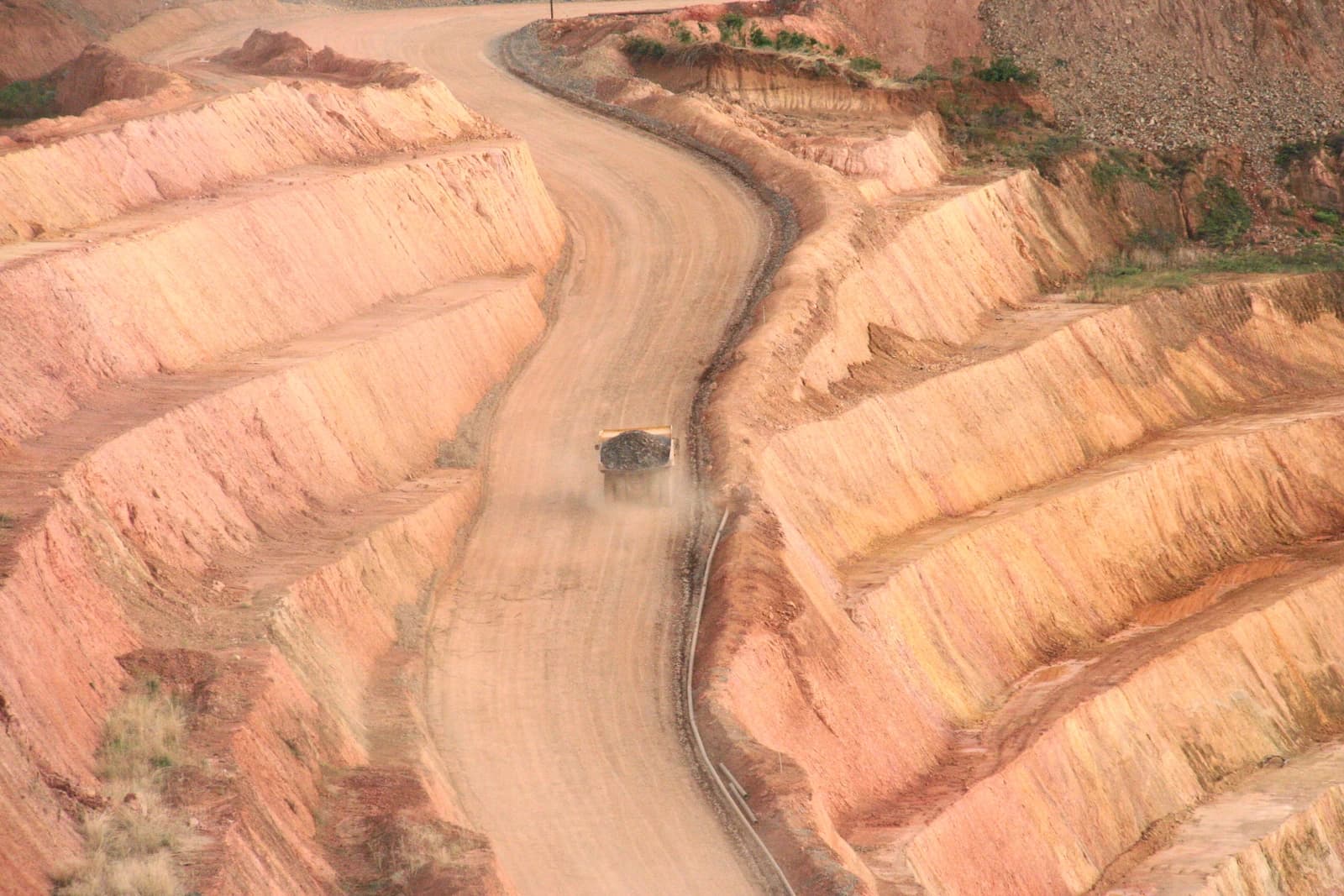
Brazil will not position itself as a simple exporter of rare earths, President Luiz Inácio Lula da Silva said, signaling a push to force more processing and value-addition inside the country at a time when global supply chains are being redrawn.
Brazil Pushes Rare Earth Processing, Pressuring Exporters

That matters because rare earths are strategic inputs for electric vehicles, wind turbines, defense systems and advanced electronics, and governments from Washington to Beijing are competing to secure supply. Lula’s message suggests Brazil wants more than a mining boom: it wants factories, jobs and bargaining power tied to a mineral set that has become central to industrial policy.
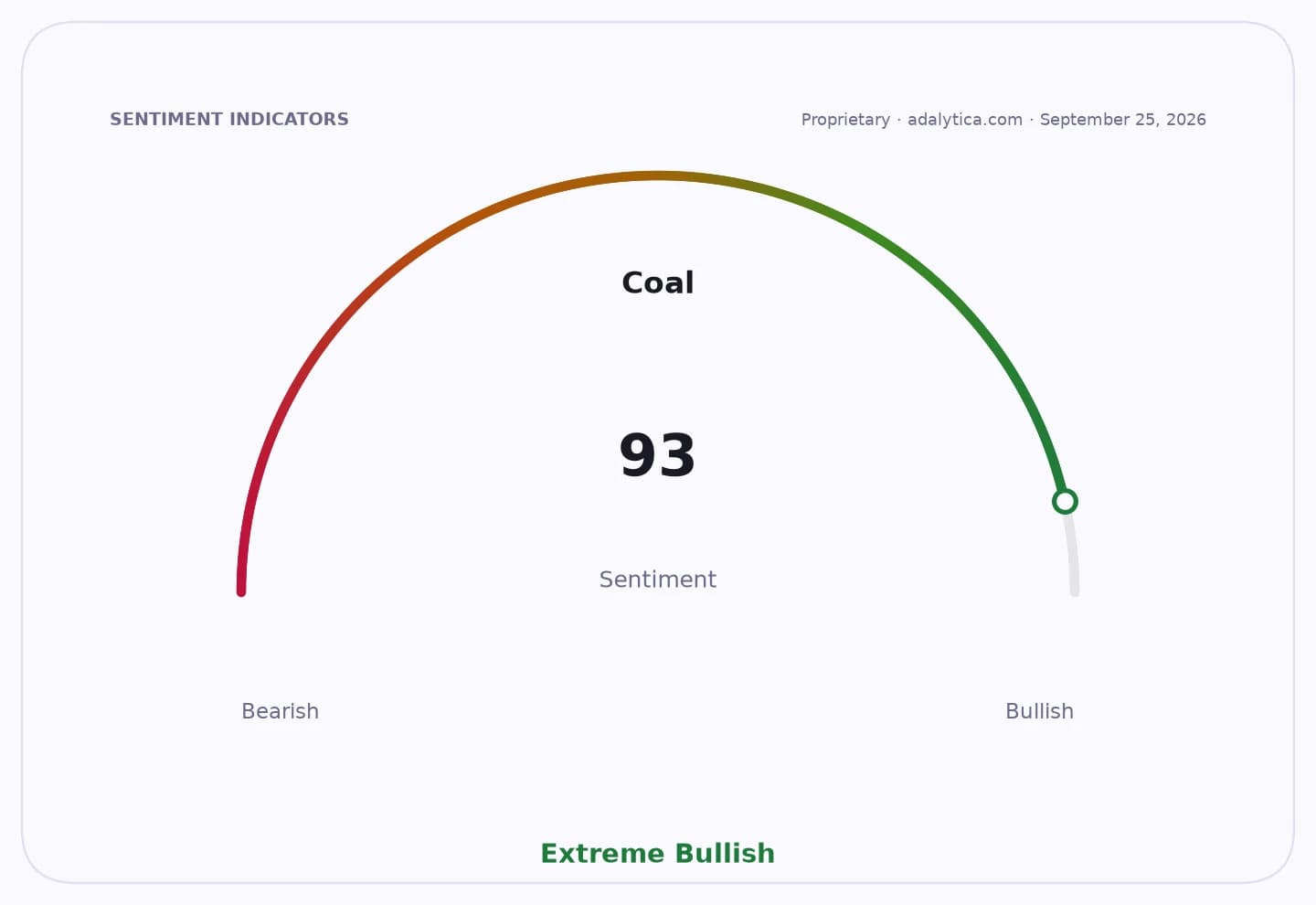
Sentiment IndicatorsⓘProprietary · adalytica.com · July 24, 2026
This is a snapshot — live sentiment, awareness and momentum for 130+ markets update continuously in the dashboard.Open AlphaPulse
For investors, the stance raises the stakes for companies with Brazilian rare earth exposure, especially those betting on a straightforward export model. U.S.-listed rare earth producer MP Materials has already been hit hard by volatility across the sector, with its shares falling to $41.30 on July 24 from $72.24 on June 2, while a separate Brazil-linked rare earth name, BRELY, has dropped to 12.75 from 22.50 in late May and is now trading below both its 50-day and 200-day moving averages.
The moves reflect more than market sentiment. MP’s recent decline has come with a deterioration in momentum gauges, including a relative strength index of 23.9 and a negative MACD, while BRELY has effectively stalled at 12.75 for three straight sessions with zero volume, underscoring how quickly speculative enthusiasm can evaporate in a thinly traded corner of the market.
Lula’s remarks also fit a broader geopolitical backdrop in which rare earths are no longer just a mining story but a policy weapon. Beijing’s export controls and Western efforts to diversify supply have made processing capacity as valuable as ore bodies, and Brazil’s vast mineral resources could become more important if the government backs refining, separation and magnet manufacturing at home.
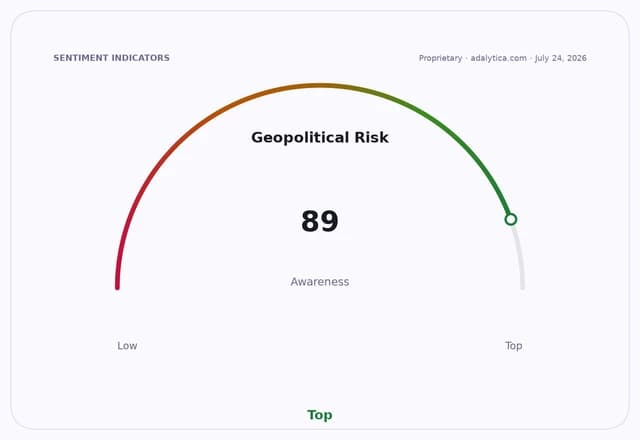
Adalytica’s Global Stability Sentiment gauge still points to extreme fear, with a reading of 11 even as awareness of the issue sits at 89, suggesting the market is highly alert to supply-chain disruption and policy shifts. That combination usually favors names with credible downstream plans and punishes pure-play exporters that depend on open trade and fast permitting.
The next catalyst is whether Brazil turns the political message into industrial policy, including incentives for domestic processing, financing for downstream plants and rules that make exports of raw materials less attractive. If it does, investors may need to reprice the whole sector around local value capture rather than simple resource extraction.
| Entity | Gains | Losses |
|---|---|---|
| Brazil government | ▲More domestic value-added | ▼Near-term export revenues |
| Downstream processors | ▲Better supply access | ▼Higher input costs |
| MP Materials | ▲Strategic pricing narrative | ▼Sector-wide volatility |
| BRELY shareholders | ▲Policy upside if processing expands | ▼Liquidity and momentum risk |