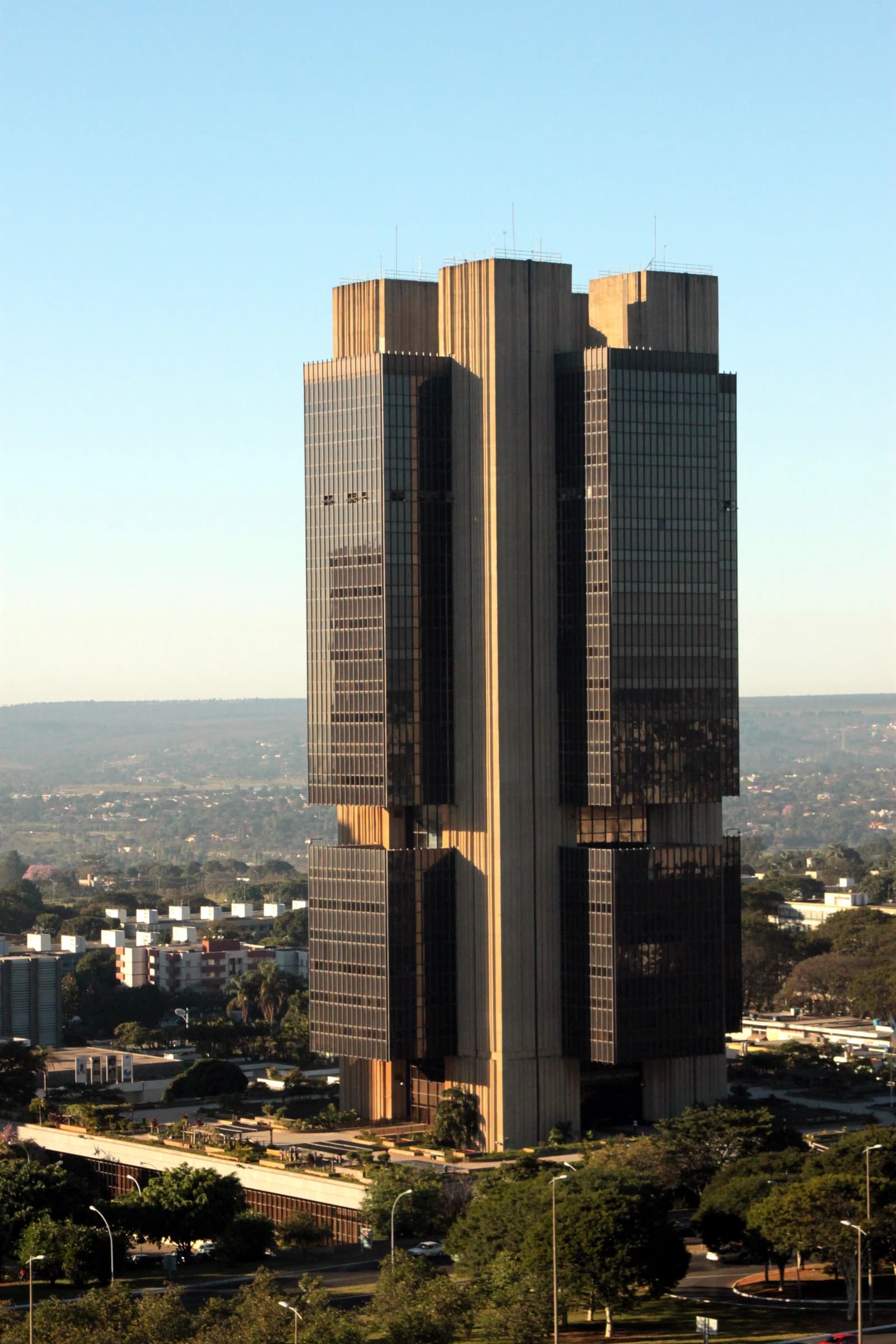
Brazil is still the standout in global interest-rate markets, with its real rate rising to 9.49% after the central bank left the Selic benchmark unchanged at 13.75%, a level that keeps the country at the top of the world ranking for inflation-adjusted borrowing costs.
Brazil Real Rate Stays Highest Globally After Hold
That matters because Brazil’s monetary stance is not just restrictive — it is exceptional. A real rate near 9.5% is far above Turkey’s 7.77%, Argentina’s 6.80% and Russia’s 6.57%, according to the MoneYou and Lev Intelligence survey. It also towers over the 1.28% average across the 40 economies in the ranking. For investors, that is a blunt reminder that Brazil is still prioritizing inflation control and currency stability over faster growth.
The calculation helps explain why the ranking stayed so elevated. The survey combines the policy rate with projected inflation over the next 12 months, which Brazil’s central bank sees at 4.99%. In other words, even without another rate hike, the country’s inflation-adjusted yield remains deeply positive. That keeps local fixed income attractive in global carry trades, but it also keeps a lid on credit demand, corporate investment and household borrowing.
The nominal picture is less extreme, but still severe. Brazil’s Selic ranks fourth worldwide in headline terms, behind Turkey, Argentina and Russia, yet still well above peers such as Mexico and South Africa. That spread is the real story for investors: Brazil is offering one of the richest policy-rate cushions in emerging markets, which can support the real and attract capital, but at the cost of keeping financing conditions tight for longer.
That tension is showing up across Brazilian assets. The iShares MSCI Brazil ETF, EWZ, has fallen sharply in recent sessions and is trading well below its 50-day and 200-day moving averages, while its RSI reading has slipped into oversold territory. The moves suggest investors are still wrestling with the same trade-off the central bank is making: higher rates help defend the currency and anchor inflation, but they also weigh on earnings, valuations and growth-sensitive sectors.
There is some support beneath the economy. Brazil’s unemployment rate has fallen to 5.2%, and long-term unemployment is at a record low, giving policymakers room to be patient. But the broader message from the rate decision and the global ranking is that Brazil is not yet ready to normalize policy. Fiscal discipline, not just inflation progress, will need to improve before the central bank can justify meaningful cuts.
For long-term investors, that means Brazil remains a market of contrasts. The country still offers strong nominal yields, a sizable real-rate premium and exposure to a large economy with improving labor-market fundamentals. But the hurdle rate for risk assets is high. Until monetary easing becomes credible, Brazil is more likely to reward investors through patience, income and diversification than through a quick rerating. Worth watching, and one to keep on the radar for income-oriented portfolios.
| Entity | Gains | Losses |
|---|---|---|
| Brazilian savers and bondholders | ▲Higher real yields | ▼Lower credit growth |
| Brazilian borrowers and companies | ▲Currency stability | ▼Expensive financing |
| Central bank credibility | ▲Inflation anchor | ▼Growth momentum |
| EWZ shareholders | ▲Long-term yield appeal | ▼Near-term valuation pressure |