Brazil’s rural heartland is moving right for a reason that matters well beyond one small town: the political loyalties of agribusiness, small entrepreneurs and former left-wing bastions are being reshaped by economics, and that shift is now showing up in the vote.
Brazil Rural Vote Shift Supports Agribusiness
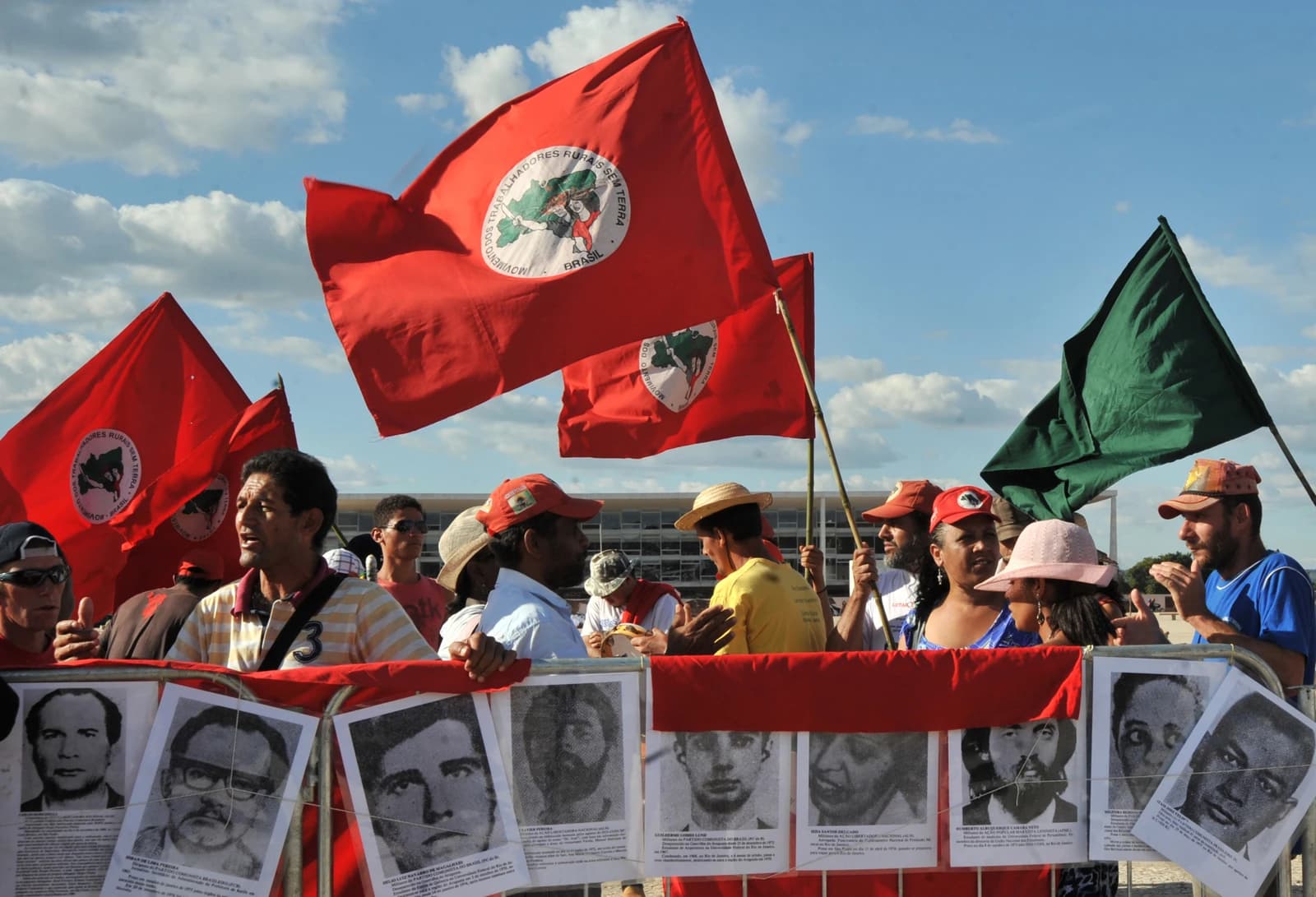
In Pontão, in northern Rio Grande do Sul, the place where the country’s most famous landless workers’ movement first erupted, voters handed Flávio Bolsonaro 56.9% in the second round, while Lula took 42.16%. That reversal is bigger than a local surprise. It captures a broader realignment in Brazil’s farm belt, where the old PT-MST alliance is giving way to a politics of lower taxes, fewer rules and a stronger identification with agribusiness.
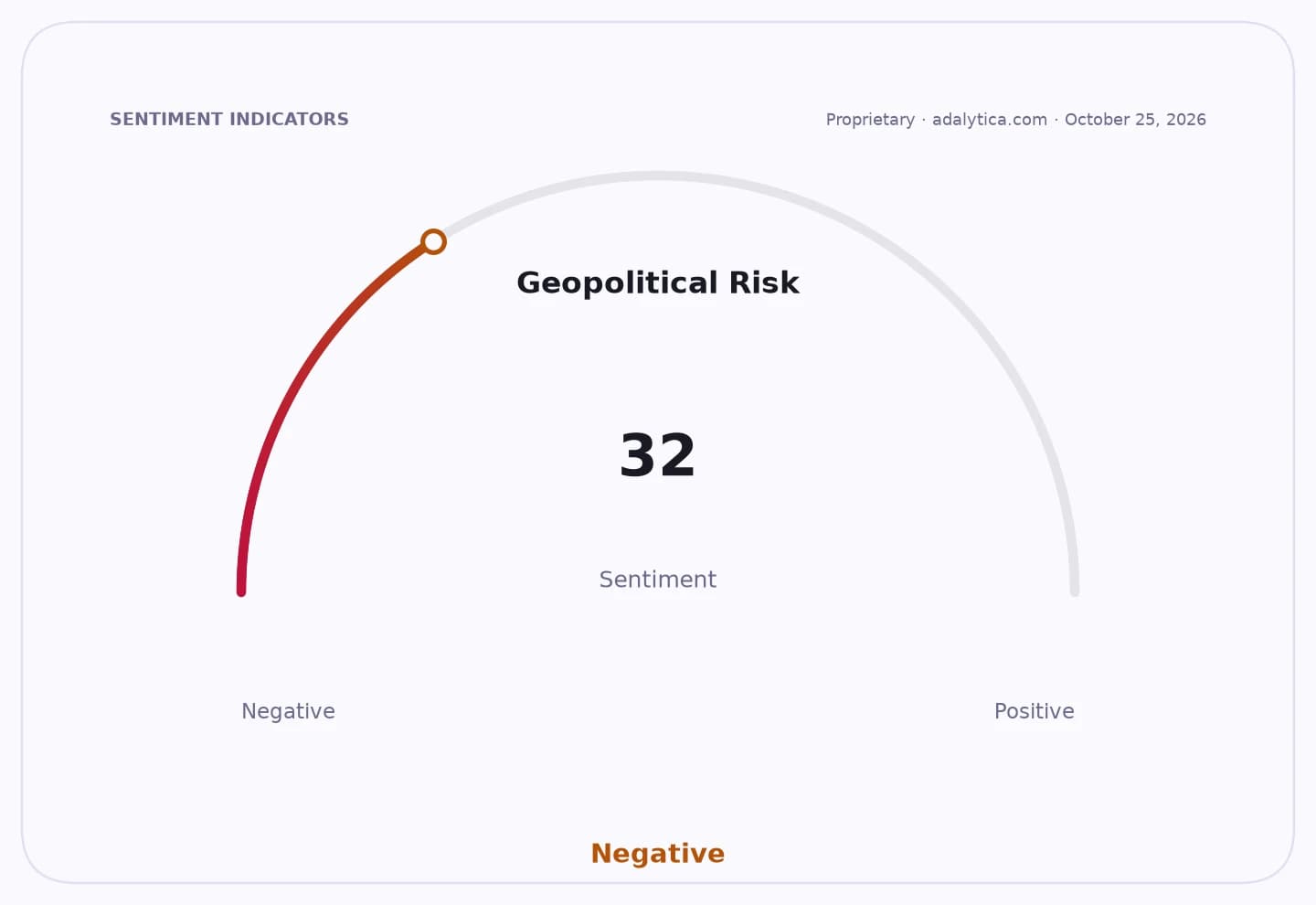
Sentiment Indicators
For investors, that matters because Brazil’s political center of gravity helps shape everything from farm policy and environmental enforcement to credit conditions and commodity flows. A countryside that increasingly sees itself as “agro” is more likely to reward candidates who favor production, logistics and deregulation. That can be supportive for listed agribusiness names, fertilizer demand, machinery sales and rural lenders over time, even as it raises the odds of weaker enforcement on land use and environmental rules.
The economic story behind the shift is plain enough. Farmers and the businesses that serve them did well when soybean prices surged after Russia’s invasion of Ukraine and Argentina’s crop failures tightened global supply. But the sector has since cooled as China bought more U.S. soybeans and fuel costs rose. In that environment, a mechanic in Pontão can feel the pain as much as a planter can: fewer truck repairs, fewer machine purchases and less hiring.
That helps explain why the political map changed so sharply. In the 20% of Brazilian municipalities with the biggest agribusiness weight, Flávio Bolsonaro’s vote was 7.1 percentage points higher than Jair Bolsonaro’s in 2022, according to Quaest. The broader pattern fits the economic backdrop. The agribusiness sector grew an average 7.7% a year under Bolsonaro, versus 3.2% under Lula, according to Cepea data cited in the report, while the soybean chain expanded 23.1% a year under Bolsonaro and just 1.7% under Lula. Even if those differences reflect global forces as much as domestic policy, voters are clearly assigning blame and credit at the ballot box.
That is the key to understanding why the MST’s birthplace no longer behaves like a left-wing fortress. Pontão still has MST-linked cooperatives, schools and community structures, and they remain a local model of organized production. But the wider economy around them has changed. People who work in repair shops, credit cooperatives and rural supply businesses increasingly identify with the farm economy, even if they do not own land themselves. When farming slows, they want easier credit, lower taxes and fewer bureaucratic hurdles.
That makes the long-term investment case more nuanced than a simple “right or left” trade. A more pro-agro Brazil can lift the earnings power of rural equipment distributors, farm service companies and export-linked agriculture. It can also preserve the country’s role as a dominant global food supplier. But investors should also watch the downside: a looser regulatory climate can intensify land conflicts, political volatility and environmental backlash, all of which can threaten valuations and keep a risk premium on Brazilian assets.
The bigger lesson is that Brazil’s countryside is no longer voting purely on old ideological lines. It is voting on who helps it make money, stay employed and keep operating with less friction. For long-term investors, that is exactly the kind of structural shift worth watching — because when rural Brazil changes, the investment landscape changes with it.
| Entity | Gains | Losses |
|---|---|---|
| Agribusiness sector | ▲friendlier politics | ▼stricter regulation |
| Rural service businesses | ▲more farm activity | ▼weaker demand in downturns |
| MST/PT alliance | ▲local footholds | ▼political dominance |
| Bolsonaro-aligned right | ▲broader rural support | ▼left-wing strongholds |