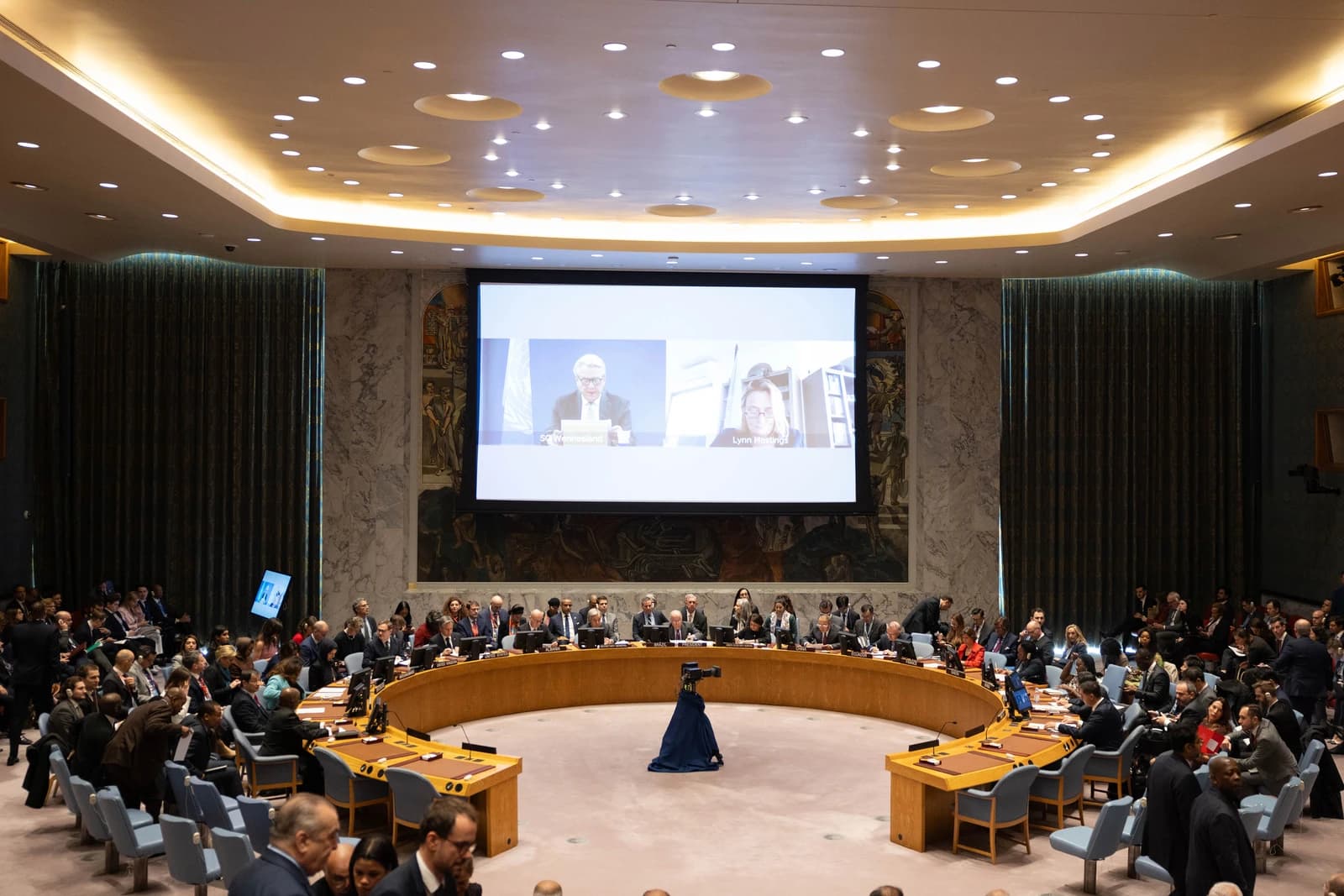
Russia and Brazil used a New York meeting on the sidelines of the UN General Assembly to reaffirm support for Brazil’s bid for a permanent seat on the UN Security Council, underscoring a shared push to reshape the global order at a time of rising geopolitical friction.
Brazil Russia Back UN Security Council Bid
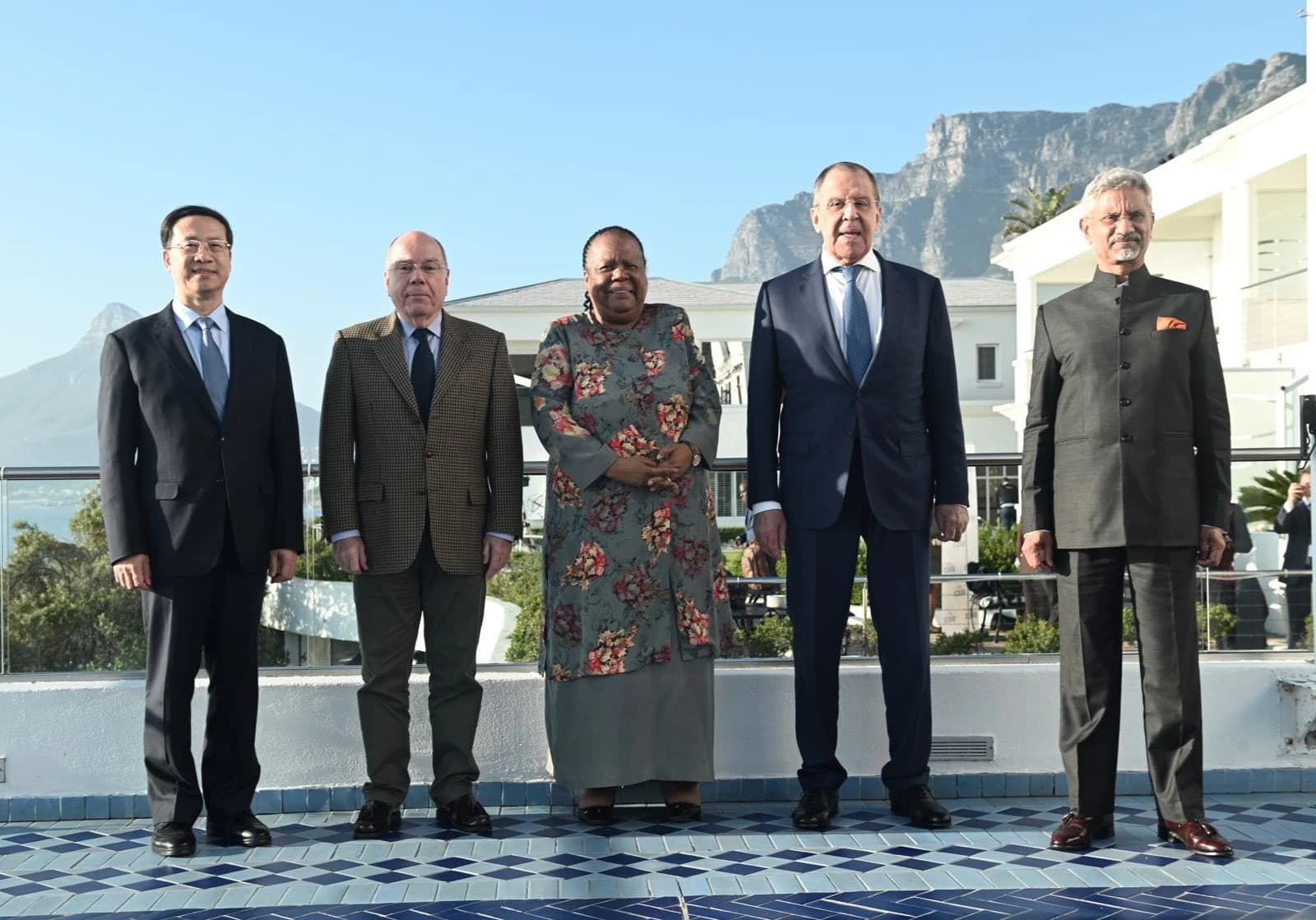
The talks, held Sept. 23 during the high-level week of the 81st UN General Assembly session, covered bilateral ties and key international issues, with both sides reviewing their positions in light of the BRICS summit earlier this month in New Delhi. Moscow’s backing for Brazil’s Security Council aspiration matters because it aligns two BRICS powers behind reform of a UN body still dominated by the post-World War Two powers, and it gives Brasilia added diplomatic weight as it presses for a larger role on the world stage.
Sentiment IndicatorsⓘProprietary · adalytica.com · September 29, 2026
This is a snapshot — live sentiment, awareness and momentum for 130+ markets update continuously in the dashboard.Open AlphaPulse
For Brazil, the endorsement supports President Luiz Inacio Lula da Silva’s long-running campaign for permanent council membership, a goal that would boost the country’s influence on sanctions, peacekeeping and major security decisions. For Russia, the message fits a broader effort to build support among emerging economies for changes to international institutions as Moscow remains isolated from much of the West over Ukraine.
The ministers also stressed the need to protect freedom of expression in Brazil’s upcoming general election without outside interference, a signal that the two governments are framing domestic political sovereignty as part of a wider diplomatic narrative. Russia’s foreign ministry said both sides also shared a view on preserving historical memory and rejecting arbitrary reinterpretations of history, a recurring theme in Moscow’s foreign policy messaging.
The meeting adds to evidence that Russia is deepening its coordination with Brazil and other BRICS partners even as relations with the U.S. and Europe remain strained. Investors are unlikely to trade directly on the diplomacy, but the alignment reinforces the political backdrop for Brazil’s external relations and for any market reaction to shifts in the BRICS bloc or pressure from Washington on Brasília’s internal security and governance issues.
Brazilian assets were already showing a mixed technical picture, with the iShares MSCI Brazil ETF, EWZ, trading just above its 50-day and 200-day moving averages after a sharp pullback from earlier highs, while conventional momentum gauges such as RSI had cooled from overbought levels. That suggests markets are watching Brazil more closely for policy and geopolitical headlines after a volatile year for risk appetite.
The immediate focus now turns to whether Brazil can turn diplomatic backing into concrete support for UN reform, and whether its election period becomes another source of friction with major powers or a test of its ability to project stability.
| Entity | Gains | Losses |
|---|---|---|
| Brazil | ▲Diplomatic backing for UN seat bid | ▼Pressure to prove global leadership |
| Russia | ▲BRICS alignment and reform narrative | ▼Further distance from West |
| UN reform advocates | ▲Momentum for council expansion | ▼Status quo council members |
| EWZ holders | ▲Potential stability from diplomacy | ▼Volatility if geopolitical tensions rise |