Russia is doubling down on the UN’s current power structure even as its war in Ukraine and confrontation with the West deepen the pressure for reform, a stance that preserves Moscow’s diplomatic leverage but keeps global policy paralysis intact.
Russia Defends UN Veto Amid Reform Calls

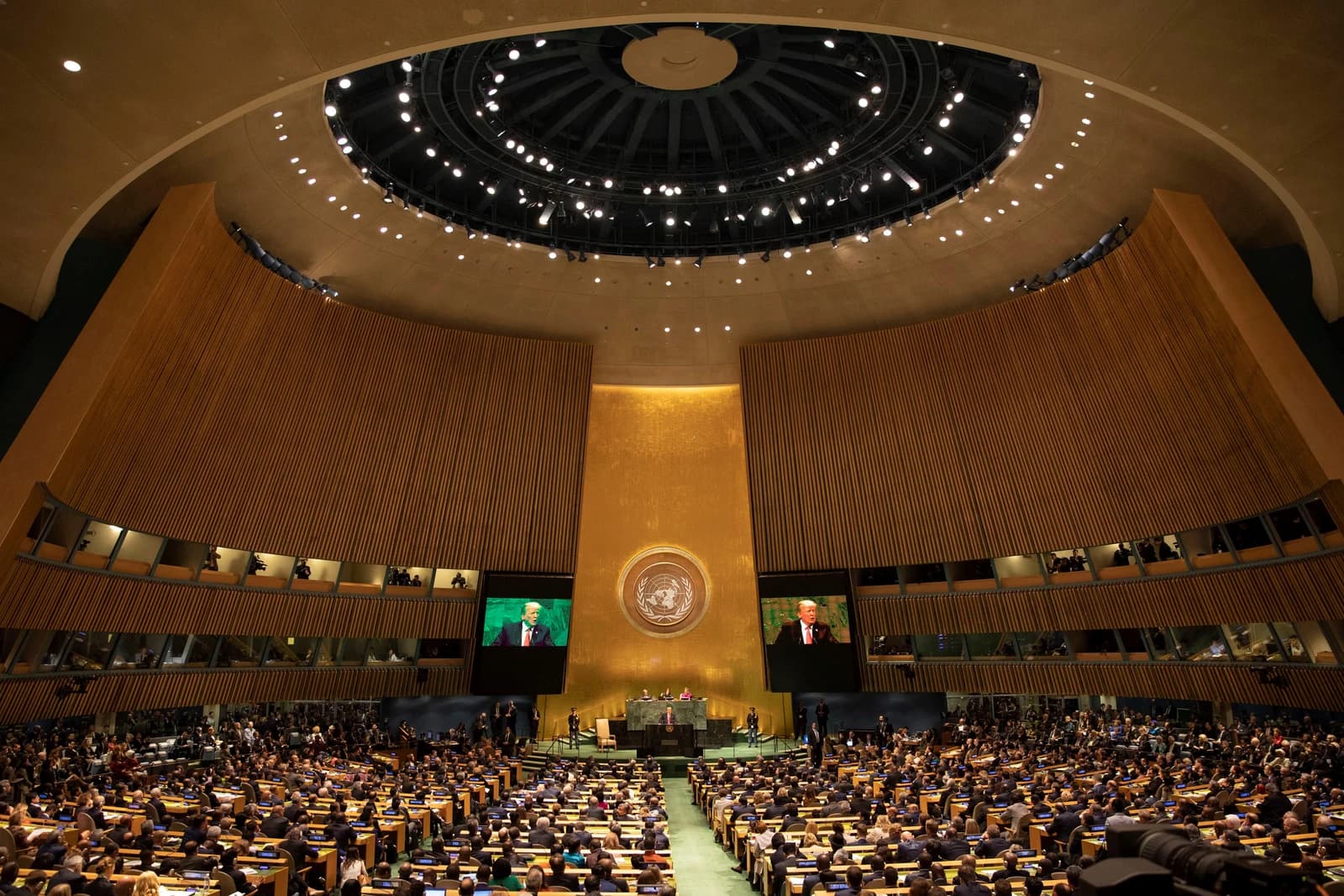
Kremlin spokesman Dmitry Peskov said Russia remains loyal to the “very important” elements of the United Nations, including the permanent membership of the Security Council and the veto right, after Turkish President Recep Tayyip Erdogan called for the veto to be abolished because the system no longer reflects today’s world.
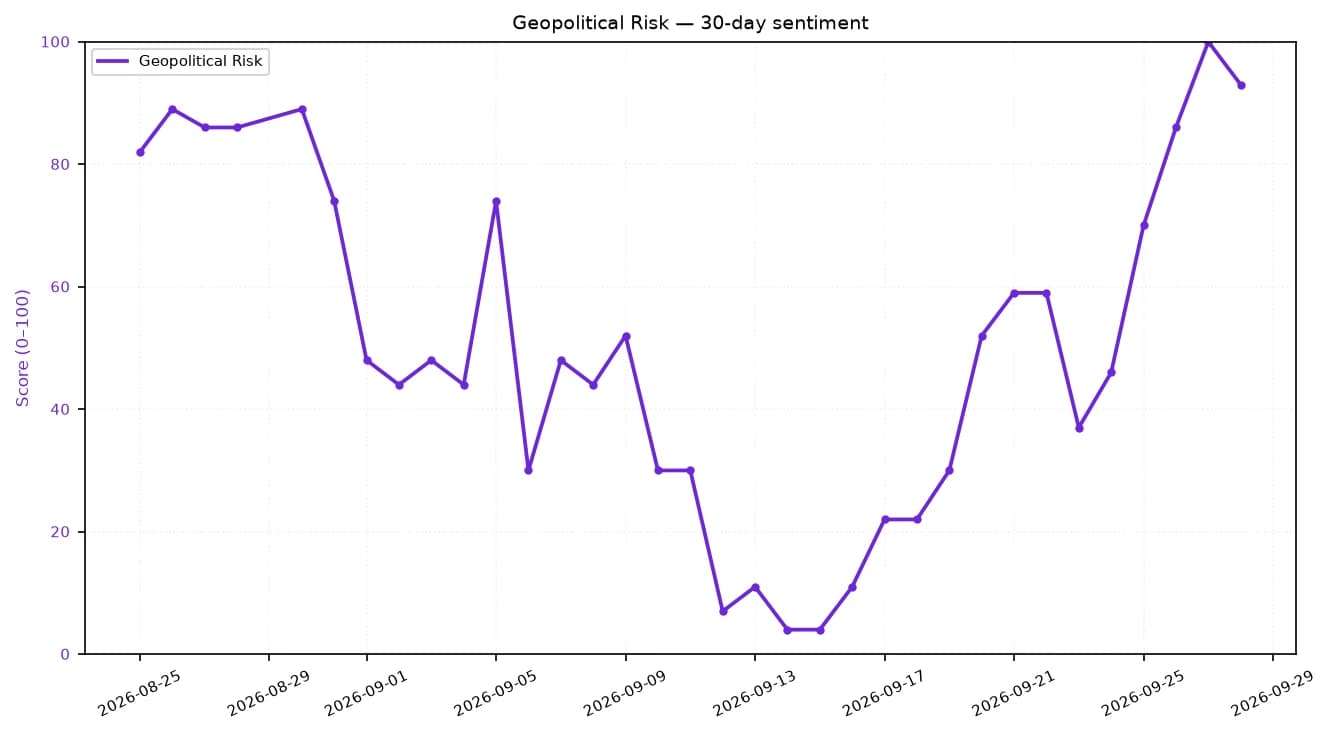
Sentiment IndicatorsⓘProprietary · adalytica.com · September 27, 2026
This is a snapshot — live sentiment, awareness and momentum for 130+ markets update continuously in the dashboard.Open AlphaPulse
That matters because the veto is one of the few tools Russia still has to shape international outcomes at a time when its military and economic position is under sustained strain. For Moscow, defending the current setup is not just symbolism: it is about retaining formal influence over sanctions, conflict resolutions and any UN-backed initiative that could constrain its room to maneuver.
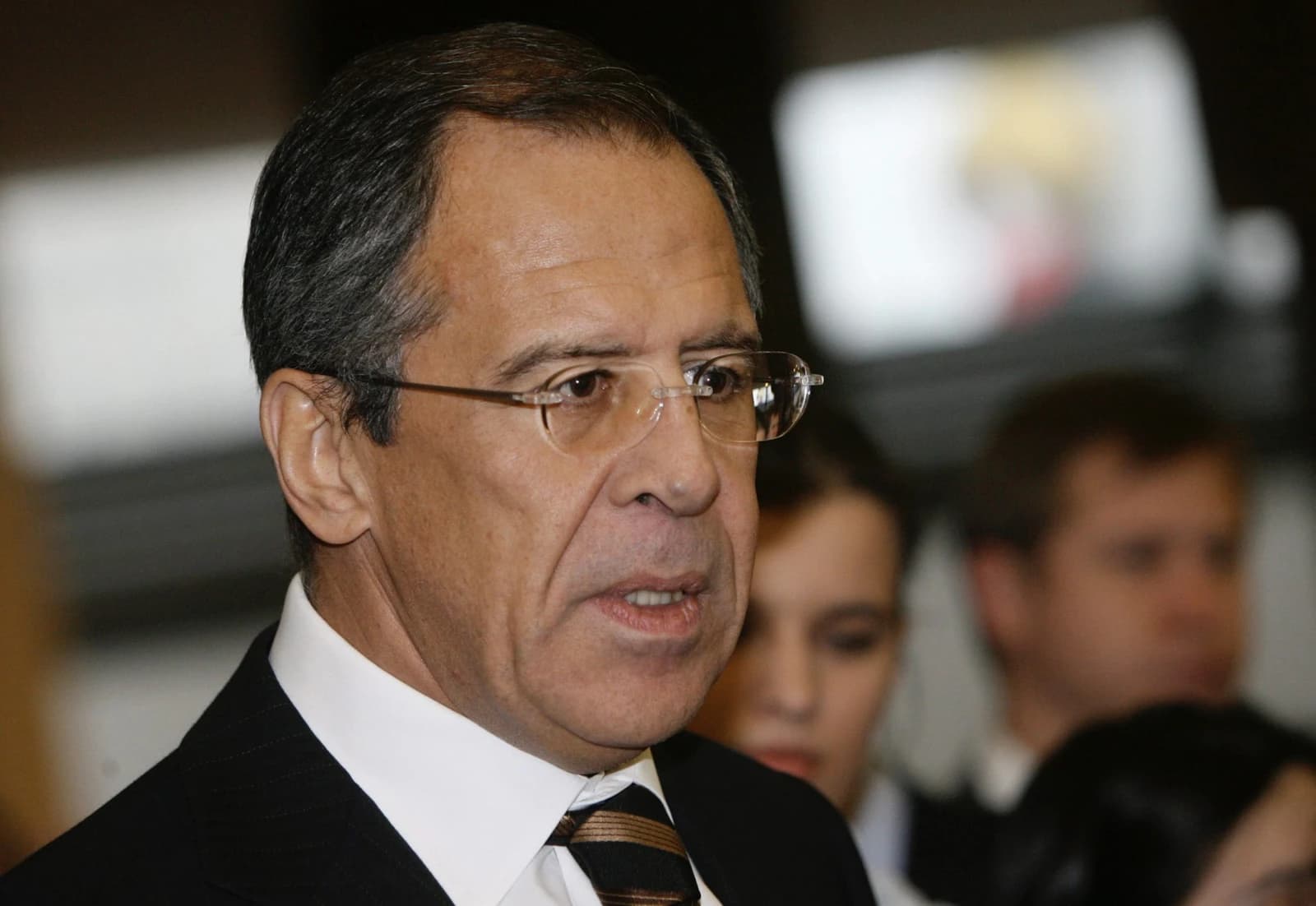
The broader geopolitical signal is clear. Russia is resisting any reform that would dilute its status, even as Foreign Minister Sergei Lavrov has said Moscow will not pause its war against Ukraine and has pushed back against expanding Western representation on the Security Council. The result is a UN increasingly unable to bridge the divide between the West and revisionist powers, leaving diplomacy boxed in and risk premia supported across defense, energy and safe-haven assets.
For investors, the implication is that the diplomatic stalemate is not a side issue — it is part of the market regime. A weak UN means fewer off-ramps for geopolitical shocks, more sanctions risk, and a persistent bid for assets tied to conflict hedging and supply-chain redundancy. That favors defense contractors, cybersecurity, energy infrastructure and gold, while punishing globally exposed businesses that depend on a stable international order.
Gold’s recent pullback has not changed the bigger setup. GLD has been trading below its 50-day moving average and beneath its 200-day trend, but the underlying macro logic for owning hard assets remains intact if geopolitics keeps deteriorating. Technical indicators suggest the short-term momentum is soft, yet that can create a better entry point rather than a reason to abandon the trade.
The market is also already pricing in a higher-stress world. The Adalytica Global Stability Sentiment gauge sits at 86, an “Extreme Greed” reading for instability and fear, underscoring how elevated geopolitical attention has become. In that environment, investors should not underestimate how much value sits in the companies and commodities that benefit when multilateral diplomacy fails.
The actionable takeaway is straightforward: treat Russia’s defense of the UN veto as another sign that geopolitical risk is structural, not temporary. Stay positioned in defense, energy security and gold-linked exposure, and expect every fresh UN confrontation to keep capital flowing toward the same beneficiaries.
| Entity | Gains | Losses |
|---|---|---|
| Russia | ▲Retains veto leverage | ▼Faces reform pressure |
| Western reformers | ▲Push for UN overhaul | ▼Struggle to change rules |
| Defense and gold investors | ▲Benefit from higher risk premia | ▼Lose if diplomacy improves |
| UN system | ▲Preserves current structure | ▼Suffers from policy gridlock |