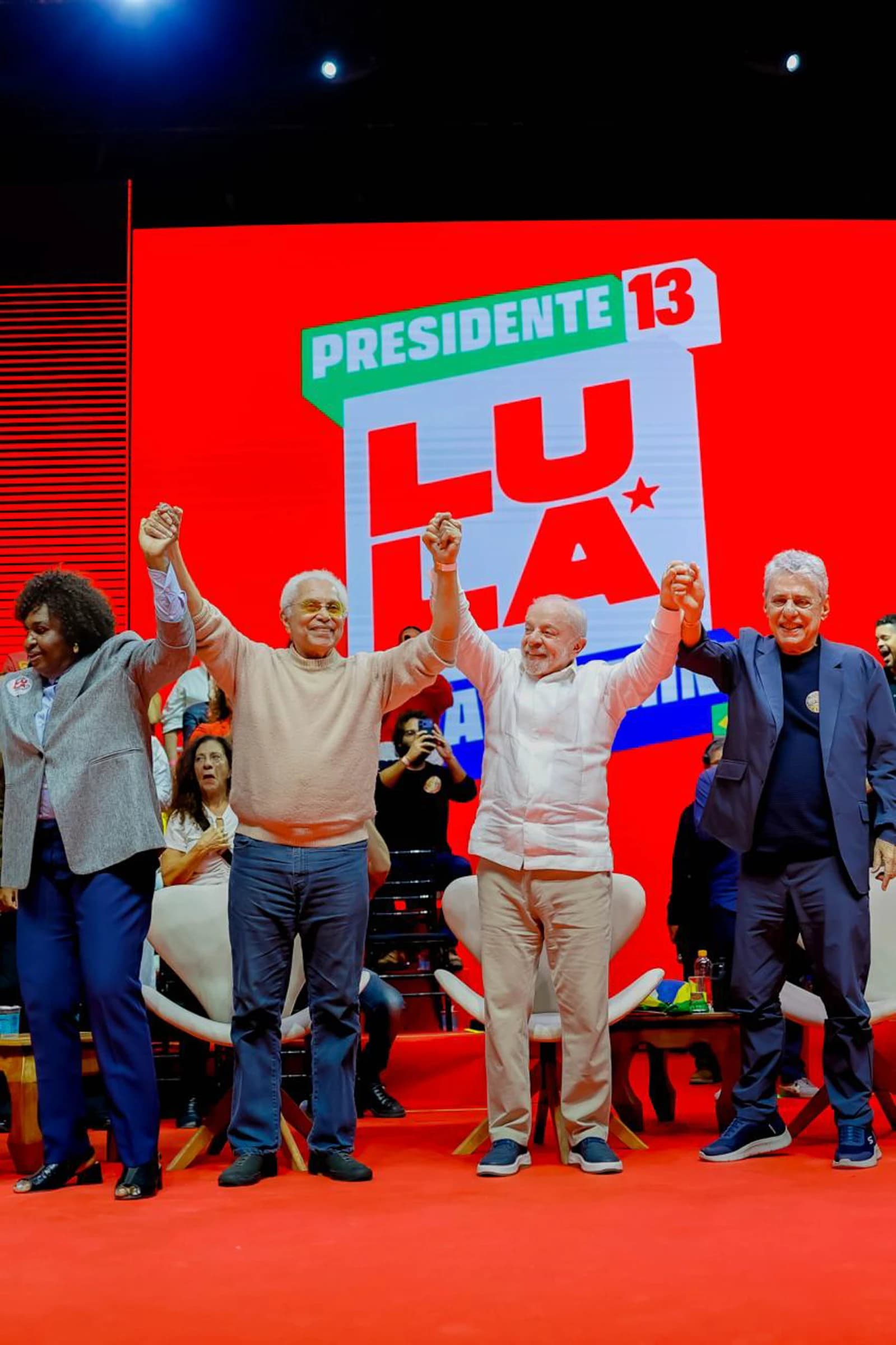
A little-known Brazilian candidate who branded himself online as “Gay de Right” has publicly abandoned bolsonarismo and thrown his support behind President Luiz Inácio Lula da Silva in the Oct. 25 runoff, underscoring how the first round is reshaping alliances on the right ahead of the final vote.
Brazil Candidate Sastre Backs Lula in Runoff

João Pedro Sastre, who ran for Congress in São Paulo for the MDB and won just 294 votes, said he felt abandoned by the political camp he had aligned with after what he described as a campaign with too little money and too little support. He said the result forced him to rethink his place in Brazil’s conservative movement.
His switch is politically small but symbolically useful for Lula as he tries to widen his coalition in the second round. It also exposes pressure points inside the pro-Bolsonaro universe, where candidates outside the core base can struggle to convert social media visibility into votes, resources and institutional backing.
Sastre said his campaign received R$100,000 from the MDB’s national leadership and R$3,800 from the party’s state branch, but still failed to gain traction with voters. “Adeus, bolsonarismo. Flávio perdeu um soldado,” he wrote on Instagram, framing the move as a break with the movement associated with former President Jair Bolsonaro and his son Flávio Bolsonaro.
For investors, the immediate relevance is not the individual endorsement but the signal that Brazil’s runoff campaign is still fluid, with identity politics, coalition discipline and turnout on the right in play. Polls and campaign momentum will matter for assets tied to Brazil’s policy outlook, including the country’s equity benchmark EWZ and major state-linked names such as Petrobras, whose shares often track expectations for fiscal and political stability.
Brazilian markets have already been trading with elevated political sensitivity, with EWZ recently pushing higher and Petrobras extending a strong run, both helped by optimism around Brazil’s broader macro backdrop and risk appetite. But headline-driven swings can quickly return if the campaign sharpens into a tighter contest between Lula’s center-left coalition and Bolsonaro’s base.
The broader narrative is that Brazil’s second round is not just a left-versus-right rematch, but a contest over who can hold together fragmented blocs after the first ballot. Sastre’s reversal adds to the impression that loyalty inside the anti-Lula camp is more fragile than it looks, a factor investors will watch as the runoff campaign intensifies toward election day.
| Entity | Gains | Losses |
|---|---|---|
| Lula campaign | ▲Broader reach on the right | ▼— |
| Bolsonaro bloc | ▲— | ▼Symbolic defection |
| EWZ bulls | ▲Political clarity if Lula widens support | ▼Volatility if runoff tightens |
| Petrobras / Brazil equities | ▲Less election uncertainty if coalition expands | ▼Policy risk if campaign turns volatile |