Fernando Haddad’s criticism of São Paulo Governor Tarcísio de Freitas’ security policy and his proposal for a federal anti-faction agency add a new political and institutional fault line to one of Brazil’s most economically sensitive debates: whether the state can restore public order without undermining civil liberties or overrelying on force.
Brazil security debate, Haddad vs Tarcísio
The dispute matters well beyond law enforcement. Public security is now a central issue for investors assessing Brazil’s risk premium, especially in a country where organized crime raises logistics costs, distorts urban labor markets, and weighs on consumer confidence. Any credible shift in policing policy can affect everything from insurance pricing and retail activity to infrastructure execution and the broader investment climate.
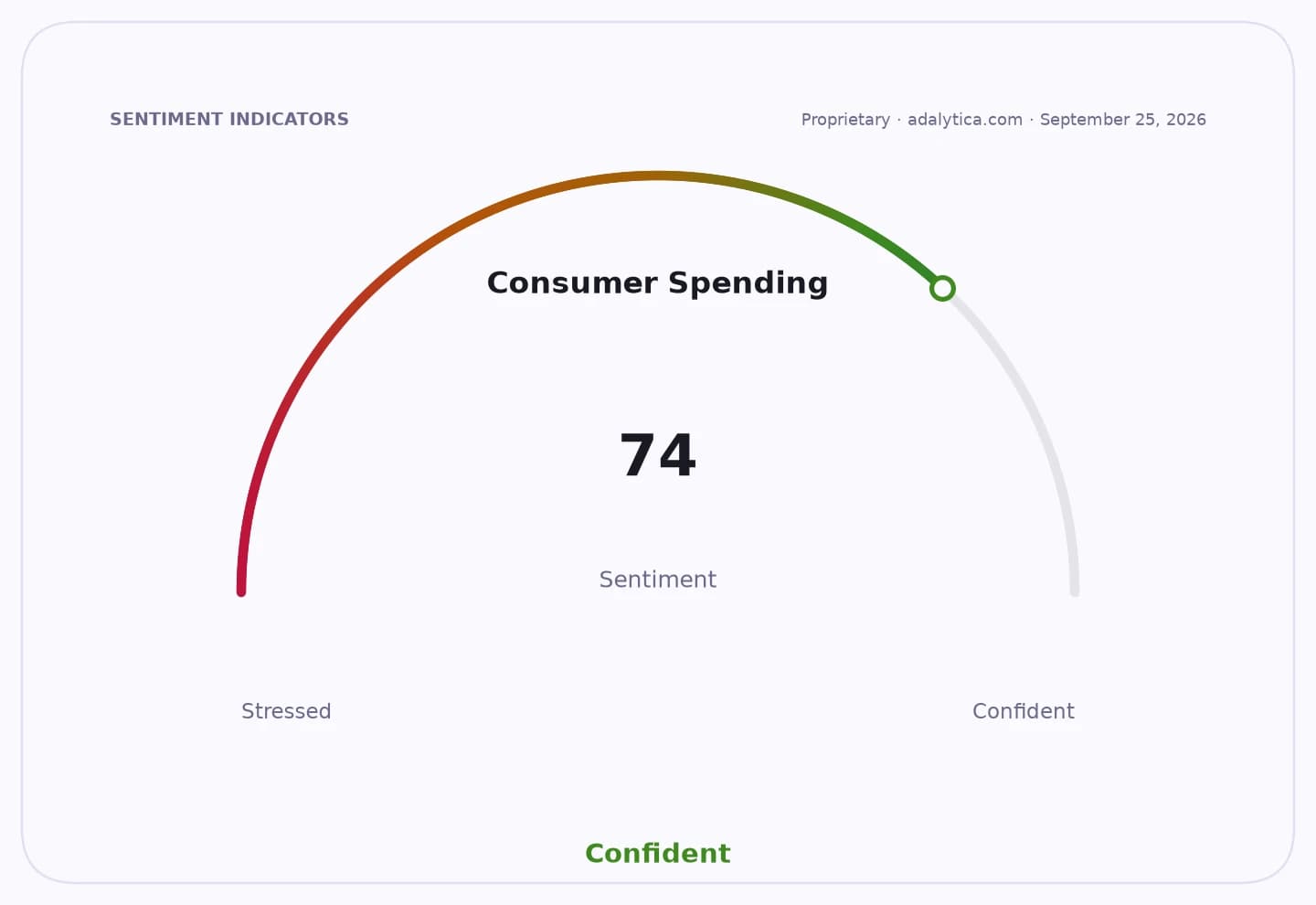
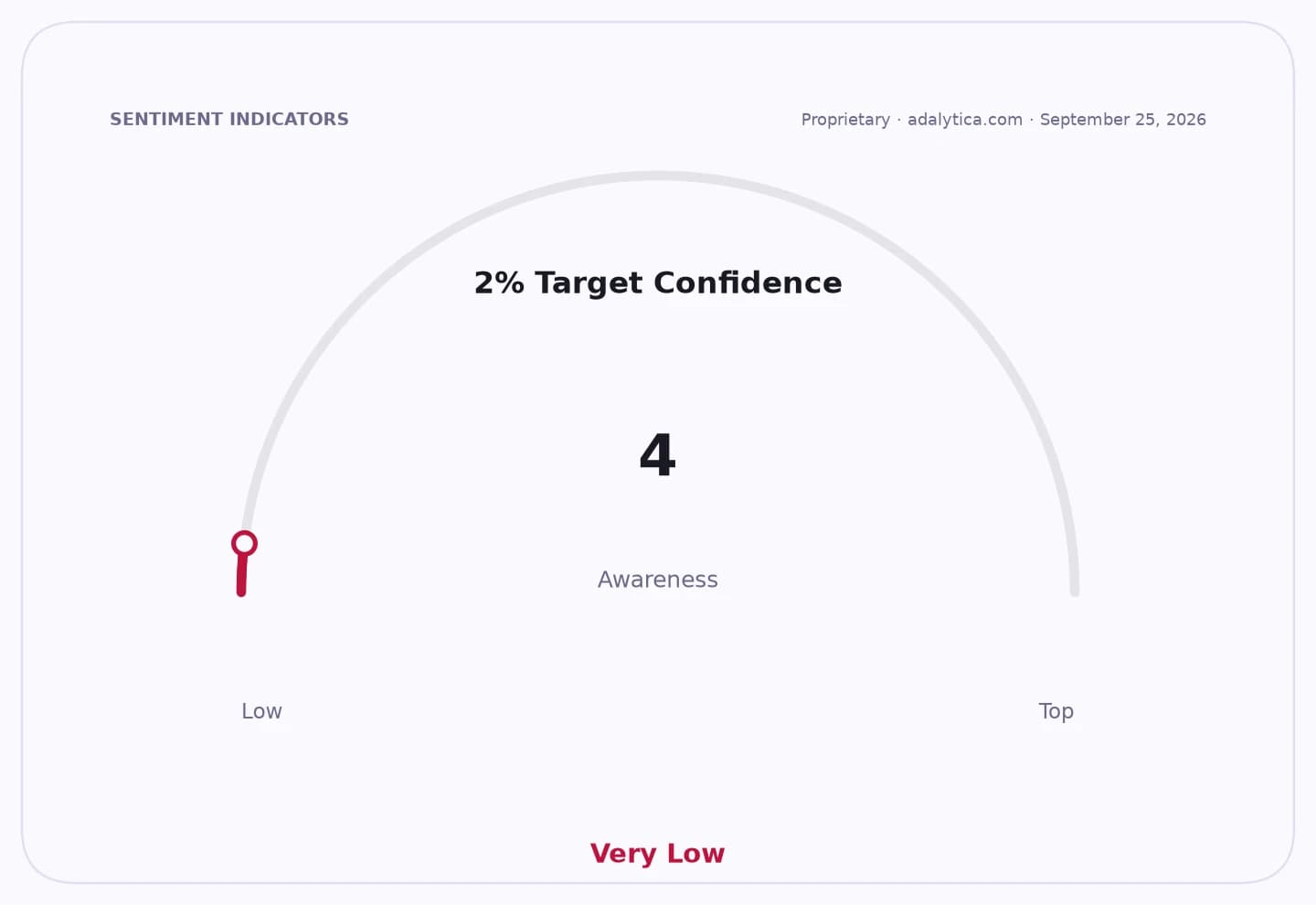
Sentiment IndicatorsⓘProprietary · adalytica.com · August 19, 2026
This is a snapshot — live sentiment, awareness and momentum for 130+ markets update continuously in the dashboard.Open AlphaPulse
Haddad’s defense of cameras on police uniforms and filing police reports “by zap,” or WhatsApp, underscores the direction he wants the debate to take: more oversight, more digital reporting, and more coordination across agencies. The anti-faction agency proposal points to a more federalized response to criminal groups, reflecting a view that fragmented state-level enforcement has not contained criminal networks that increasingly operate across borders and sectors.
The policy contrast with Tarcísio is also politically important because São Paulo remains Brazil’s largest economy and a key barometer for national governance. Tarcísio has positioned himself as a law-and-order administrator, while Haddad is seeking to frame security as an institutional capacity problem rather than only a policing toughness test. That divergence could shape alliances ahead of Brazil’s next election cycle and influence how markets read the balance between social stability and state intervention.
For investors in Brazilian assets, the immediate market impact is indirect but real. The EWZ has retreated to $34.76 from a recent high near $39, while its 200-day moving average sits above the current price, a sign that sentiment has cooled after a strong run earlier this year. Broader risk appetite has also weakened, with Adalytica’s SPY trade signals showing “Fear,” which can amplify sensitivity to domestic political noise in emerging markets.
Technically, EWZ remains above its 50-day moving average, but momentum has softened, with RSI readings around 30 suggesting the fund is approaching oversold territory and the MACD still below its signal line. That leaves Brazilian equities vulnerable to further volatility if the security debate feeds into election positioning, fiscal concerns, or concerns about policy continuity.
The bull case for Haddad’s approach is that stronger oversight and a more centralized anti-faction strategy could reduce crime-related frictions that act like a hidden tax on growth. The bear case is that the issue becomes a politicized struggle over federal power, with little near-term improvement in street-level security and a higher risk of institutional confrontation between Brasília and São Paulo.
For now, the story is less about immediate market repricing than about the policy framework investors may have to price into Brazil over the coming months: whether public security becomes a source of governance credibility or another front in a widening political contest.
| Entity | Gains | Losses |
|---|---|---|
| Haddad / federal government | ▲Policy ownership | ▼If security worsens |
| Tarcísio / state policing model | ▲Tough-on-crime base | ▼Federal criticism |
| Civilian oversight advocates | ▲Cameras, traceability | ▼More police discretion |
| Brazil equities / EWZ bulls | ▲Better crime containment | ▼Policy uncertainty |