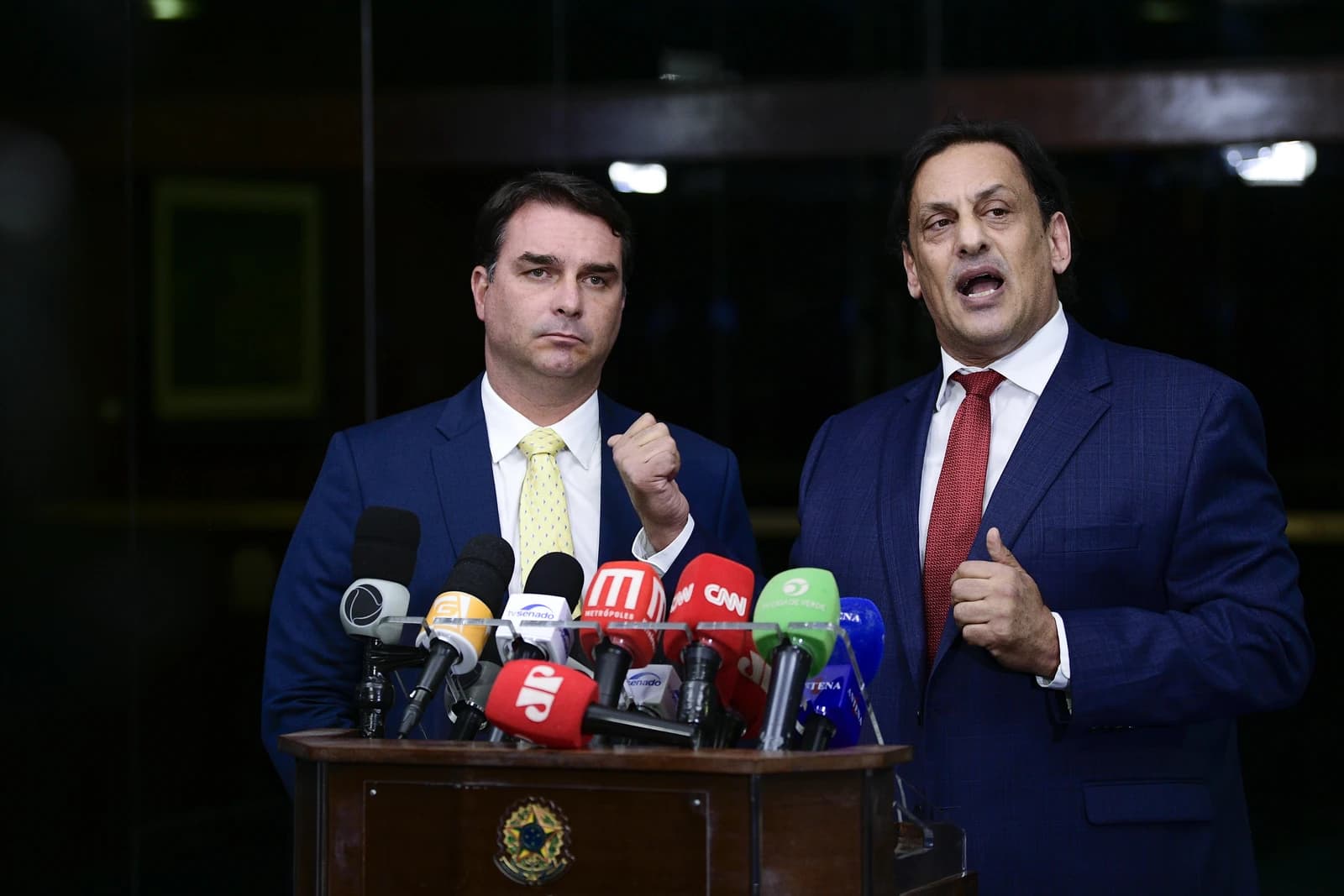
A Brazilian proposal backed in the Senate by presidential hopeful Flávio Bolsonaro would strip away a key ammunition-tracing requirement, a move that could make it easier for guns and bullets to leak from official stockpiles into criminal hands.
Brazil Senate Bill Would Weaken Ammo Tracing
That matters far beyond Brasília. The UN adopted global guidance in 2023 pushing member states to tighten marking and tracking of military-grade material, precisely because traceability is one of the few tools investigators have to follow the path of diverted ammunition, map corruption inside security forces and choke off supply lines to organized crime. Brazil’s current system has been held up as a best practice, according to Bruno Langeani of the Sou da Paz Institute, because it includes markings on ammunition packaging and, crucially, a code engraved on the cartridge itself that identifies the buyer.

The project would reverse that logic. By eliminating the obligation to engrave identification codes on ammunition bought by public security forces, it would remove a forensic trail that police use to determine where shots came from and where weapons were diverted. In practical terms, that means weaker oversight of state arsenals at a time when illicit arms flows remain a live economic and security burden across Latin America.
For investors, the issue is less about a single bill than about policy risk in a market where firearms regulation can shift demand, litigation exposure and public scrutiny. Smith & Wesson Brands and Sturm, Ruger & Co. both operate in a sector that has long been shaped by political cycles, regulation and social pressure, and both have flagged the possibility of tougher firearms rules in their filings. Any move that loosens tracing standards may be welcomed by some in the industry, but it also raises the odds of backlash, reputational damage and renewed debate over controls.
That tension is why the story matters now. Bolsonaro, questioned publicly about the proposal, downplayed the changes as “little details,” even as President Luiz Inácio Lula da Silva challenged him on the Senate floor over his support. The political fight underscores how firearms policy in Brazil is no longer just a domestic law-and-order issue; it is a governance question with cross-border implications for crime, security and institutional credibility.
For long-term investors, the takeaway is straightforward: regulatory shifts that affect firearms oversight can move sentiment around the sector, but they also tend to create volatility rather than durable competitive advantage. In a world where tracing systems are becoming more important, not less, any country that weakens them may see higher enforcement costs and greater exposure to criminal leakage. Worth watching, especially for anyone tracking Latin American security policy and the broader gun industry.
| Entity | Gains | Losses |
|---|---|---|
| Supporters of the bill | ▲Fewer tracing rules | ▼Stronger oversight and forensics |
| Brazilian security forces | ▲Less administrative burden | ▼Better anti-diversion tools |
| Criminal networks | ▲Easier ammunition diversion | ▼Stronger police tracking |
| Firearms industry | ▲Possible lighter regulation | ▼Reputational and policy backlash |