Brčko District is preparing a new support package for businesses that would subsidize higher wages, investment and new technologies, a policy shift aimed at lifting the enclave’s private sector and making it more competitive.
Brčko District plans new business support package
The move matters because it goes beyond preserving existing aid and tries to change the structure of local growth. By targeting pay increases in the real sector, energy efficiency and technology adoption, the district is signaling that it wants to support both short-term employment and longer-term productivity, rather than rely only on traditional incentives.
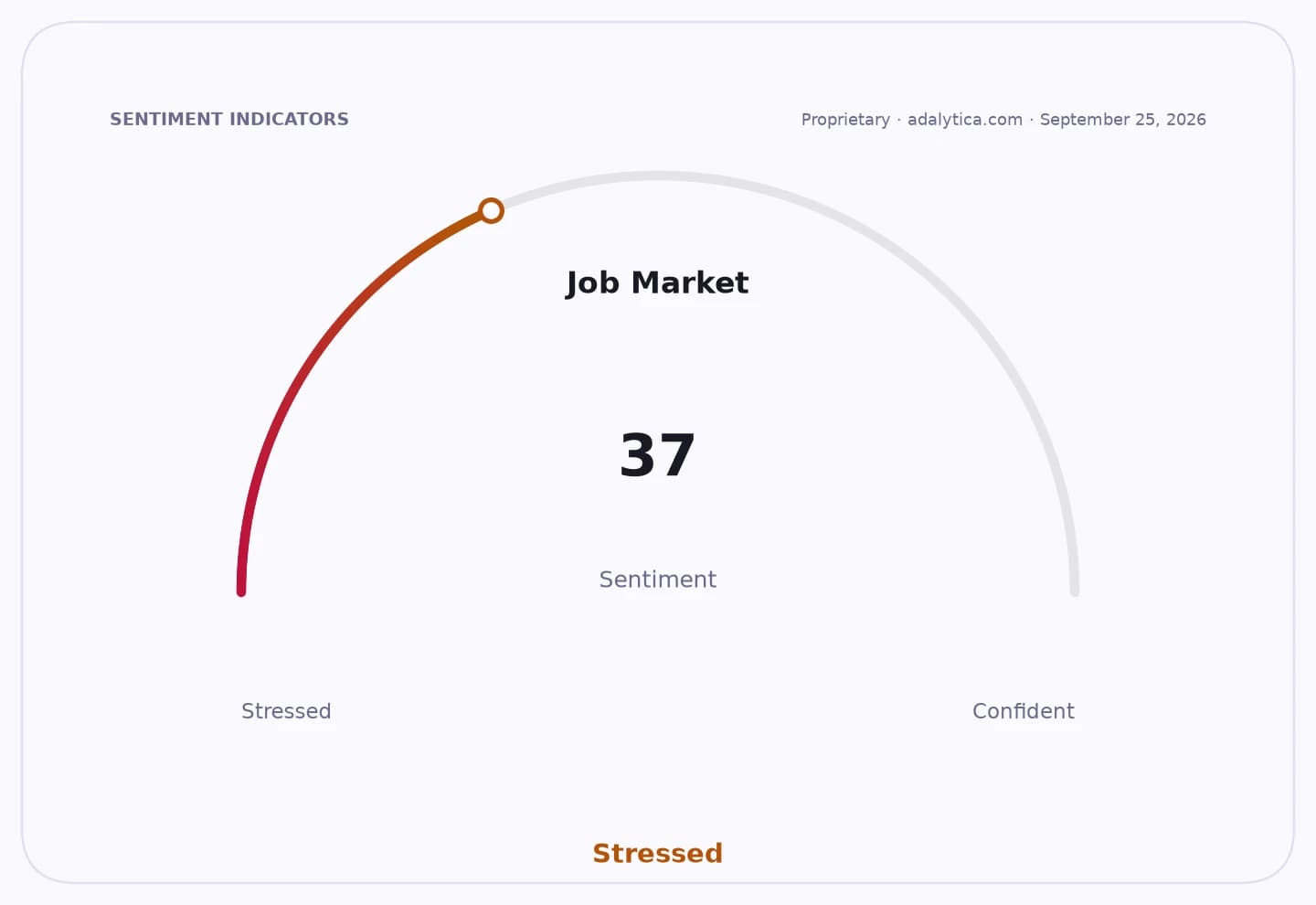
Sentiment IndicatorsⓘProprietary · adalytica.com · September 9, 2026
This is a snapshot — live sentiment, awareness and momentum for 130+ markets update continuously in the dashboard.Open AlphaPulse
Srđan Blažić, head of the department for economic development, sports and culture, said work on the new incentives law has been under way for about six months and would retain current subsidies and benefits while adding new programs for strategic and regular investments. He said small and medium-sized firms with meaningful production capacity have been a particular focus, after previously lacking an adequate support channel.
The draft could reach the government within a month, after which it would move through the assembly procedure. Full implementation could begin early next year, giving local companies a clearer policy framework after a period in which businesses have faced pressure from wages, operating costs and the need to modernize.
For investors and business owners, the package points to a more active industrial policy in a small but strategically positioned market in Bosnia and Herzegovina. If implemented effectively, it could improve margins for manufacturers, encourage capital spending and help retain labor by making wage growth more affordable for employers. The emphasis on energy efficiency and new technology also suggests the district is trying to align subsidies with productivity gains, which generally have a better long-run payoff than blanket support.
There is still execution risk. Subsidies can be slow to translate into higher output if administrative rules are unclear or if firms use them mainly to offset costs rather than expand capacity. But if the new law is paired with faster approvals and transparent criteria, it could give Brčko a more credible investment pitch just as regional competition for capital and skilled workers remains intense.
A separate overhaul of the hospitality law, last updated in 2005, is also planned to bring rules into line with those in the entities and neighboring countries, while clarifying the status of venues such as wedding halls and tightening classification standards. That suggests the administration is trying to modernize both production and services at the same time, with the broader aim of making the district’s economy easier to invest in and operate.
| Entity | Gains | Losses |
|---|---|---|
| Brčko businesses | ▲Lower labor and investment costs | ▼Less room for inefficiency |
| Small and mid-sized manufacturers | ▲Better access to support | ▼Must meet new criteria |
| Local workers | ▲Higher wage growth prospects | ▼Subsidy gains may take time |
| Public finances | ▲Potentially stronger tax base later | ▼Near-term budget pressure |