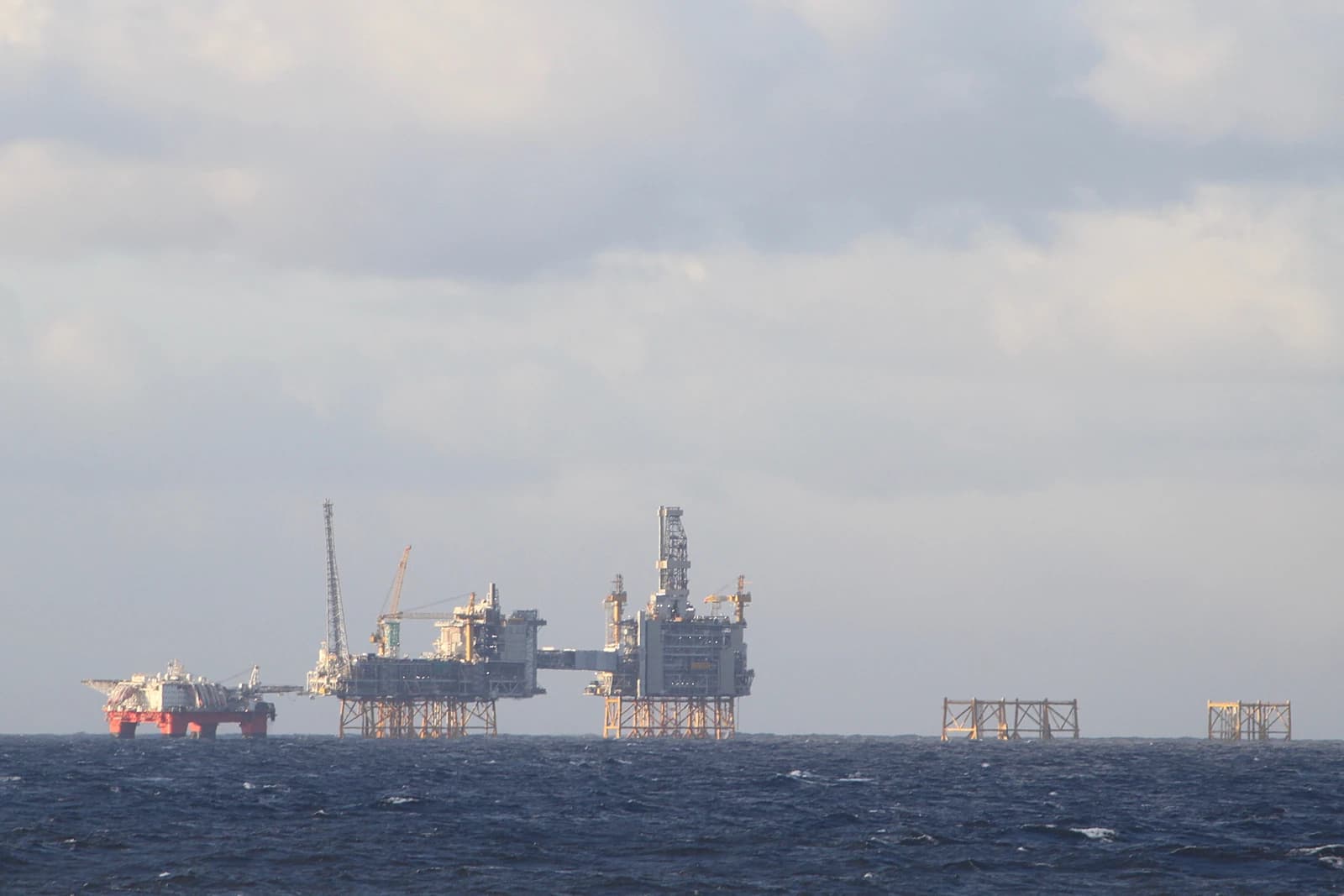
Brent's surge back above $110 a barrel is the market's most important warning signal right now, because it threatens to keep inflation sticky just as central banks are preparing another round of rate decisions and European equities are already losing momentum.
Brent Above $110 Pressures DAX and Europe Stocks

That is why the DAX is slipping into reverse gear even with solid company earnings still coming through. The benchmark is set to open about 0.6% lower at 25,500 points after having gained 1.4% the day before, with investors unwilling to chase risk while oil keeps climbing and US tech futures weaken. Brent was trading around $111 after renewed attacks in Saudi Arabia and reports that the US is pulling some diplomats and family members from the kingdom, underscoring the geopolitical premium now being baked into energy prices.
Sentiment IndicatorsⓘProprietary · adalytica.com · October 28, 2026
This is a snapshot — live sentiment, awareness and momentum for 130+ markets update continuously in the dashboard.Open AlphaPulse
The economic significance is straightforward: expensive crude acts like a tax on consumers and companies, while also complicating the disinflation story that markets were beginning to price in. That is showing up across asset classes. Gold has fallen to a two-week low as traders assume longer-for-higher interest rates, while the euro remains above $1.12 only because the dollar has paused ahead of a dense week of central bank meetings. US 10-year Treasury yields around 5% reinforce the message: the market is leaning toward tighter-for-longer policy, not an easy turn to cuts.
For investors, the issue is less about one day's move in oil than about whether this becomes the catalyst that breaks the complacency still lingering in stocks. The DAX has become a trading market, trapped in a sideways range as buyers step in on dips and sellers fade rallies. That matters because Europe is more exposed than the US to imported energy inflation, and higher oil can quickly crimp margins for industry, transport and consumer names even when headline earnings season looks healthy.
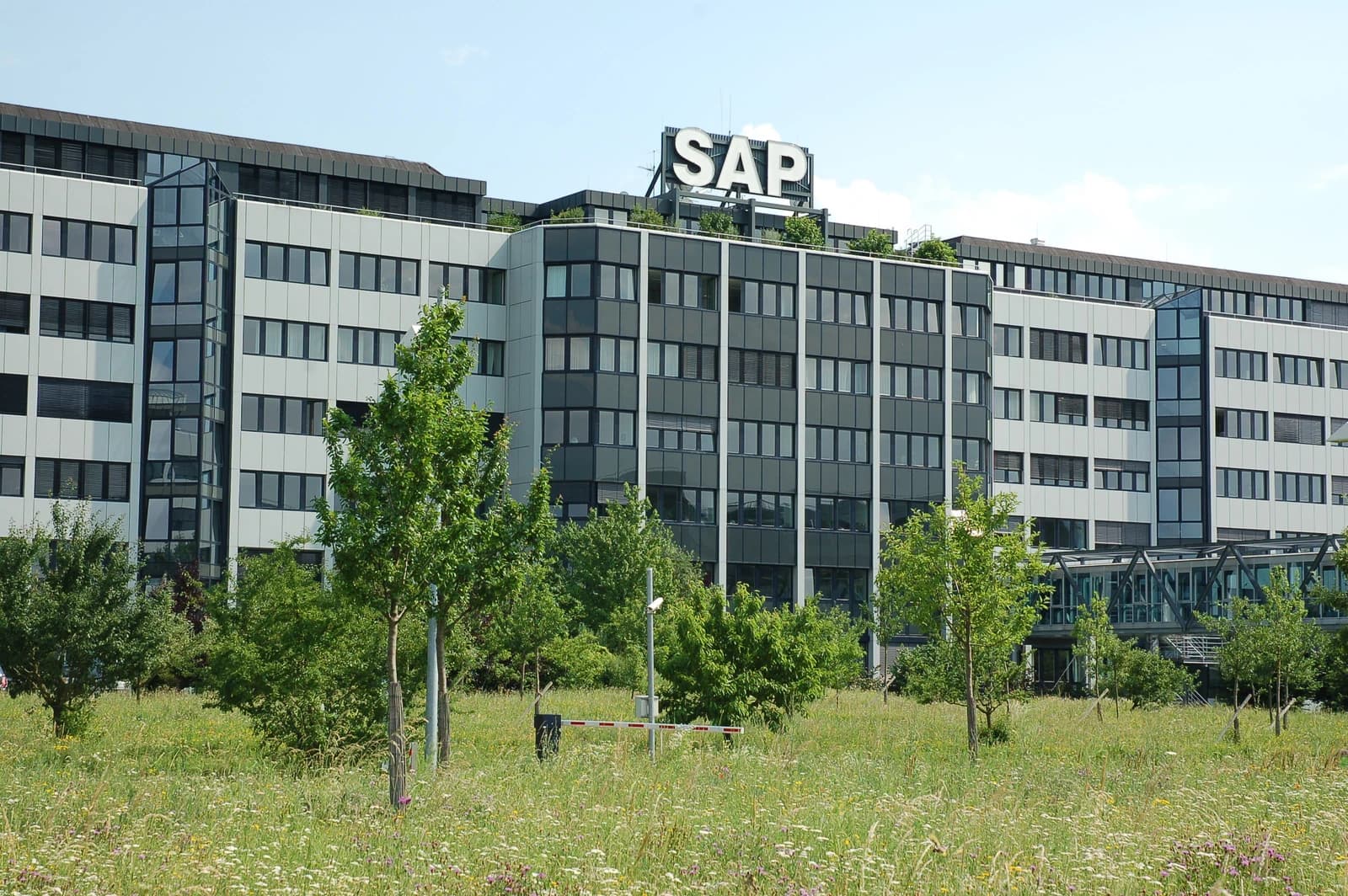
There are still clear winners inside the chaos. SAP's cloud numbers show that quality growth can command a premium even in a tougher macro backdrop: cloud backlog rose 26% to 24.1 billion euros, cloud revenue climbed 25% to 6.67 billion euros and adjusted operating profit jumped 18% to 3.03 billion euros. But even there, the message is not to overpay. In a market where rates and oil are both rising, investors need to focus on businesses with pricing power, infrastructure leverage and real cash generation, not just long-duration growth stories.
The bigger setup is this: if oil stays above $110 and next week's central bank decisions lean hawkish, the market's attention will shift from earnings resilience to macro pressure. That is the moment when energy producers, defense-linked names and select infrastructure plays tend to outperform, while rate-sensitive, import-heavy and margin-fragile sectors get hit. The DAX's failure to break out is not noise; it is the market telling us that the easy upside may already be priced, and the next leg may belong to inflation beneficiaries rather than broad beta.
| Entity | Gains | Losses |
|---|---|---|
| Energy producers | ▲Higher realized prices | ▼Consumers and fuel users |
| Defense and security names | ▲Geopolitical demand bid | ▼Risk assets |
| SAP | ▲Strong cloud growth | ▼Investors chasing cheaper entry points |
| DAX cyclicals | ▲— | ▼Higher input costs and tighter policy |