Brent crude fell back below $100 a barrel after Democrats swept both chambers of Congress, a result that could curb President Donald Trump’s room to maneuver on Iran and, in turn, ease the premium traders had been building into oil prices.
Brent crude falls below $100 after U.S. election
Oil WTI
The January Brent contract dropped 4.67% to $98.76 a barrel in late European trade, its first move below the $100 threshold since early October. West Texas Intermediate also slid, falling 4.54% to $91.73. The move reflects how quickly geopolitical risk is repriced in crude markets when the policy outlook shifts, particularly in a region where any escalation can disrupt supply through the Gulf.
Sentiment Indicators
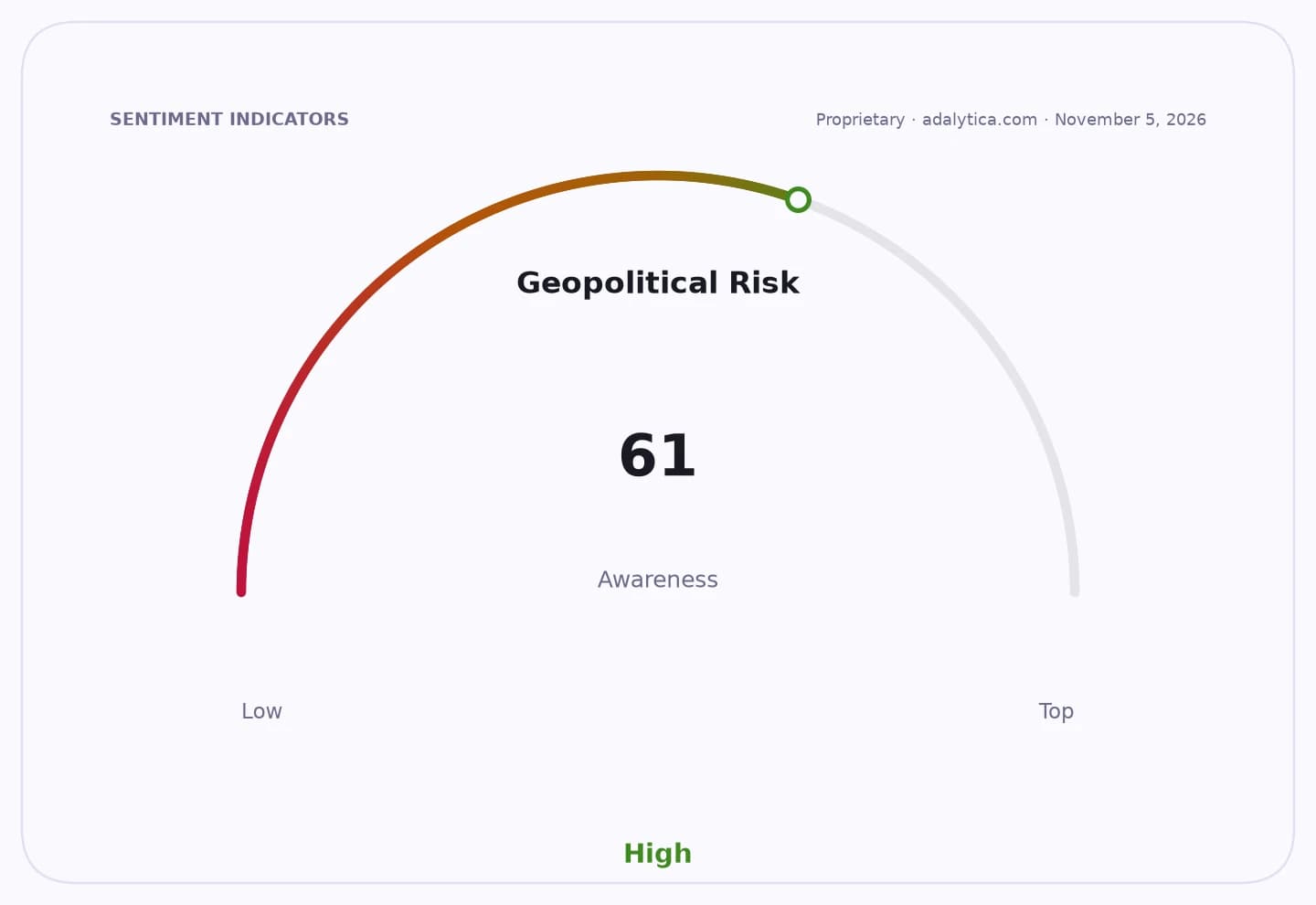
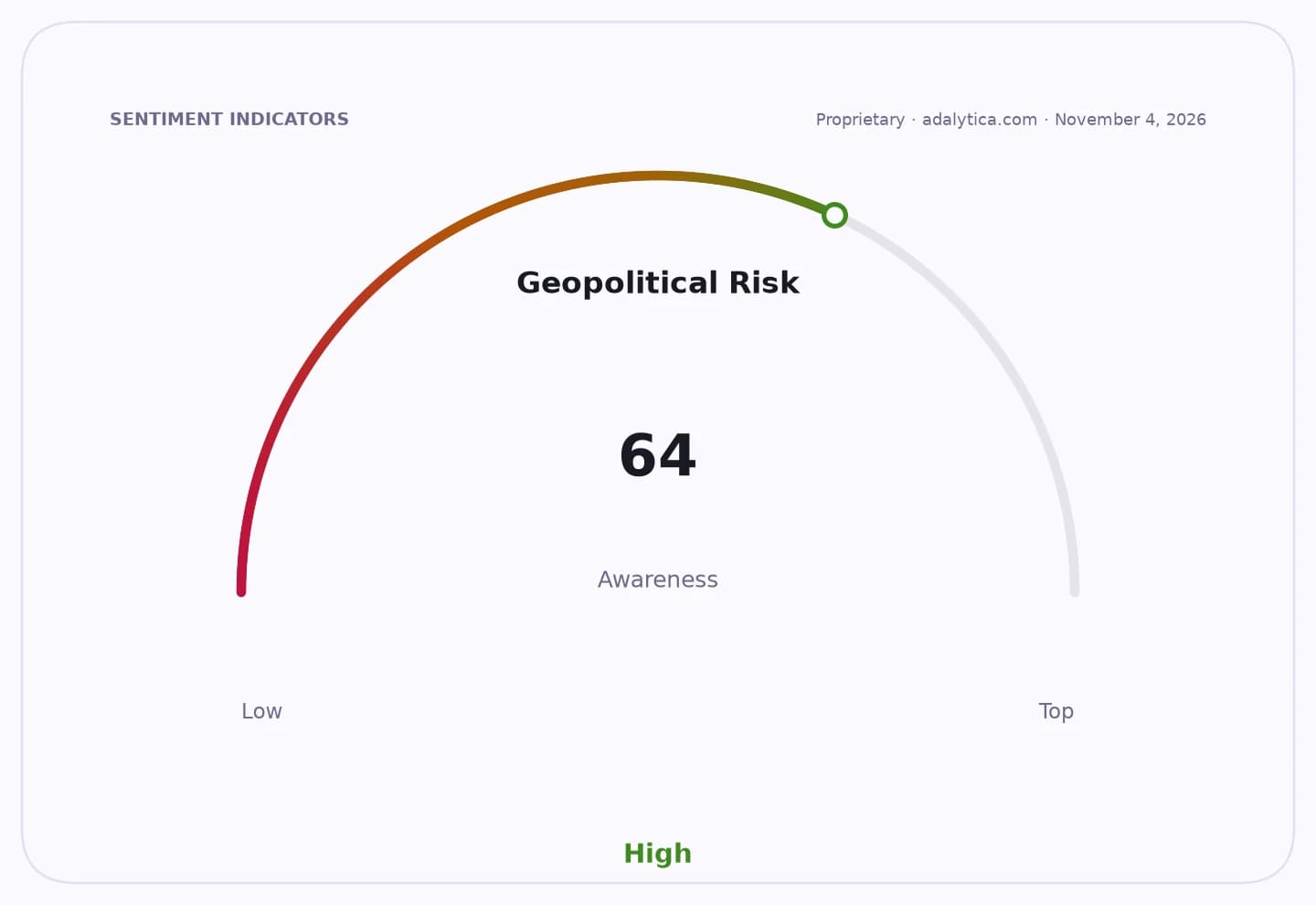
For energy markets, the election result matters less as a partisan headline than as a signal on foreign policy. Traders had been pricing a greater chance that Washington could take a harder line on Iran, which would raise the odds of retaliation against producers, shipping lanes and refineries in a region that still anchors a large share of global supply. A Congress controlled by Democrats increases the likelihood of checks on the White House, reducing the probability of immediate confrontation and trimming the war premium embedded in Brent.
The drop also underscores how fragile the rally in crude had become after a recent run-up driven by Middle East tensions. Oil had been trading near levels that implied a significant geopolitical cushion, but once that fear eased, prices were vulnerable to a fast unwind. That is especially relevant for investors in energy equities, commodity-linked currencies and inflation-sensitive assets, all of which had benefited from higher oil.
For producers, a retreat below $100 is not necessarily a bearish regime shift; it may simply reflect a reduction in the odds of an extreme outcome. But it does suggest that oil will remain highly sensitive to headlines from Washington and the Gulf. If political constraints on the administration prove real, crude could trade more on fundamentals such as demand and inventory trends. If tensions re-escalate, the premium can rebuild just as quickly.
| Entity | Gains | Losses |
|---|---|---|
| Oil consumers | ▲Lower fuel costs | ▼Less protection from supply shocks |
| Airlines and transport firms | ▲Cheaper input costs | ▼Higher volatility hedging needs |
| Oil producers | ▲None from the drop | ▼Softer crude pricing |
| Democratic Congress / market moderates | ▲More policy restraint | ▼Less room for hawkish action |