BRI’s warning that the public should beware of fraud linked to its Treasury program matters because in banking, trust is the product. Once scammers can convincingly use a lender’s name to target customers, the damage is bigger than any single theft: it can slow account growth, raise compliance costs and force banks to spend more on education and security just to preserve confidence.
BRI Fraud Alert Highlights Banking Trust Risk

That is why this latest alert deserves attention from investors as much as depositors. Financial fraud is no longer a back-office nuisance; it is a revenue and reputation risk that can ripple through the whole sector. Banks with large retail franchises, broad digital reach and active payment businesses are especially exposed, because the more customers you have, the larger the attack surface for phishing, impersonation and account-takeover schemes.
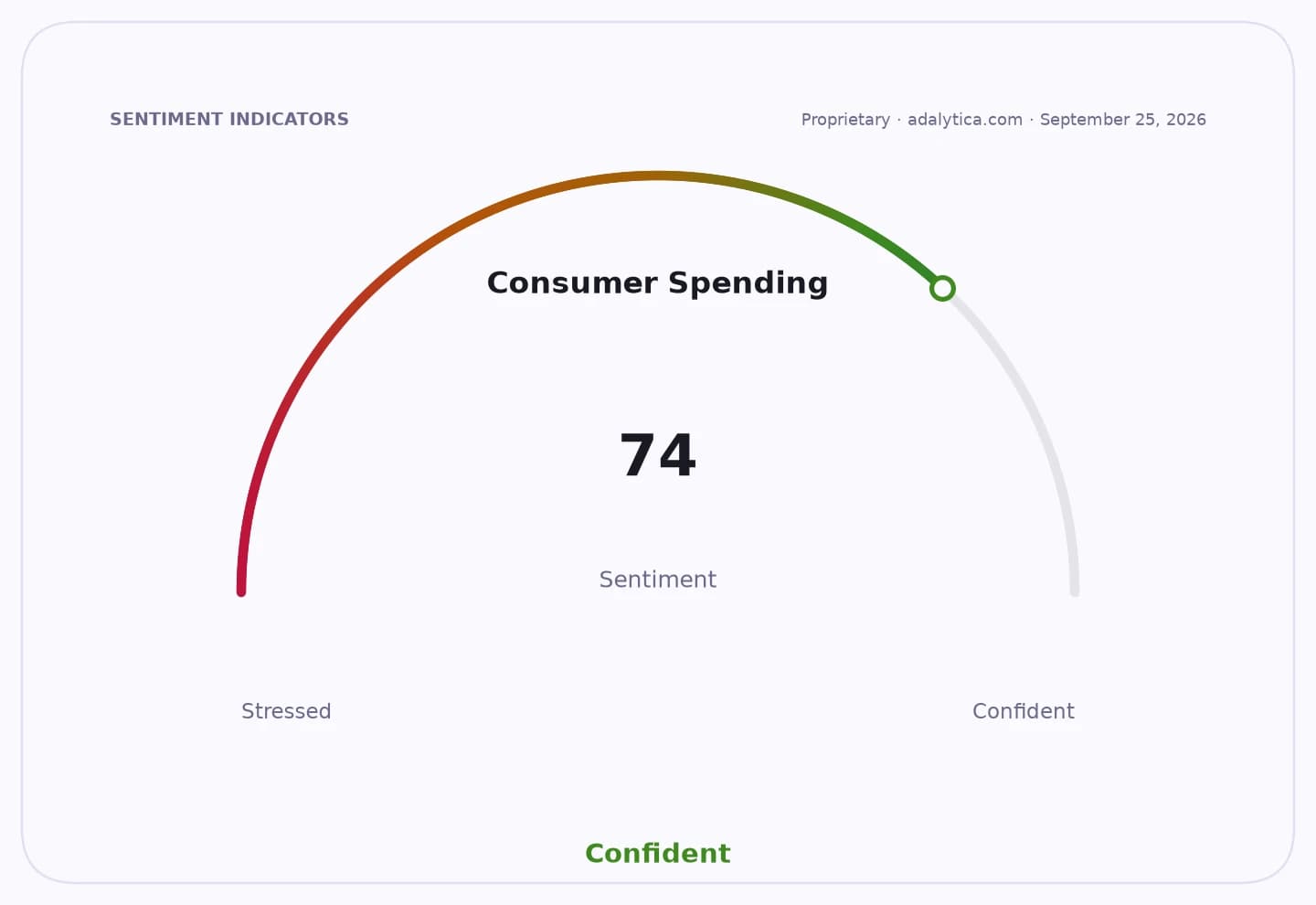
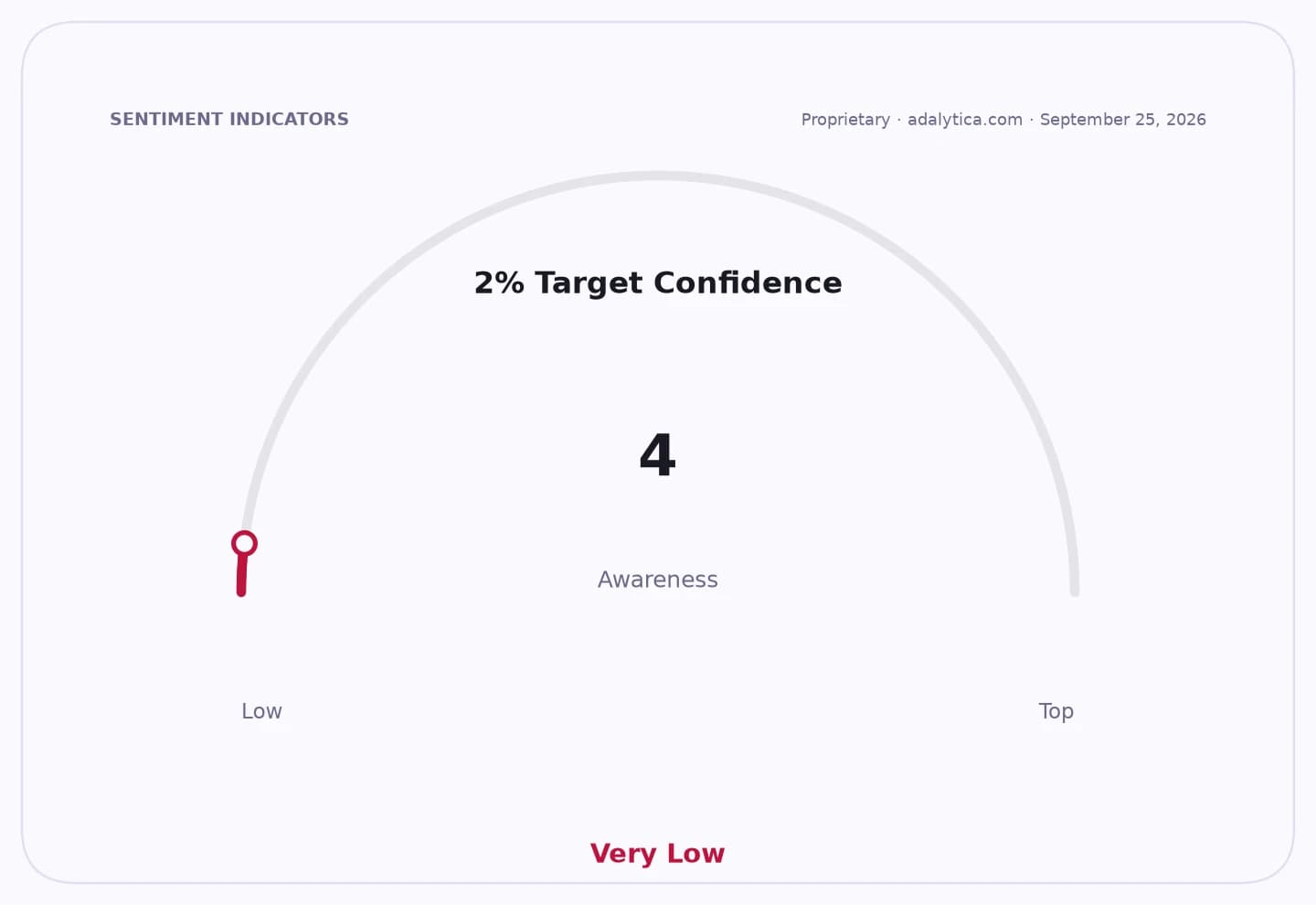
Sentiment IndicatorsⓘProprietary · adalytica.com · July 16, 2026
This is a snapshot — live sentiment, awareness and momentum for 130+ markets update continuously in the dashboard.Open AlphaPulse
The broader backdrop makes the warning more important. Authorities have been stepping up arrests and raids tied to bank-card fraud, phishing and other scams, underscoring how organized and persistent the threat has become. When fraud rings keep adapting, banks cannot rely on one-off notices. They need continuous monitoring, stronger customer verification and faster response systems to protect their brands and keep transactions flowing.
For investors, the key question is not whether a single scam will dent earnings in a meaningful way. It is whether fraud prevention becomes an ongoing drag on margins, user experience and growth. More security spending is often necessary and rational, but it can weigh on efficiency if losses and false positives rise. At the same time, the banks that handle these threats best can strengthen long-term competitive advantages, because customers tend to stick with institutions they trust.
That is the lesson for long-term investors: cyberfraud and banking scams are now part of the operating environment, not a temporary headline. The winners will be banks that combine scale, strong controls and clear communication. For everyone else, this is a reminder to own the sector selectively, stay diversified and focus on institutions that can defend both their balance sheets and their reputations over many years.
| Entity | Gains | Losses |
|---|---|---|
| BRI | ▲Trust-building opportunity | ▼Reputational risk |
| Customers | ▲Better fraud awareness | ▼Scam exposure |
| Banks with strong controls | ▲Competitive credibility | ▼Higher security costs |
| Fraud rings | ▲None | ▼Tighter enforcement |