The Brussels Region is moving to sell the official office complex of its minister-president, a politically sensitive real-estate disposal that could bring in as much as 45 million euros and give the cash-strapped capital a rare one-off boost to its finances.
Brussels Region to sell minister-president office complex
The plan matters because it is not just a property transaction: it is a sign that the Brussels government is monetizing underused assets to ease budget pressure, while shrinking its administrative footprint and consolidating offices in cheaper space. With the region under strain to rationalize spending, the sale could help plug near-term funding gaps without immediate tax hikes or deeper cuts.
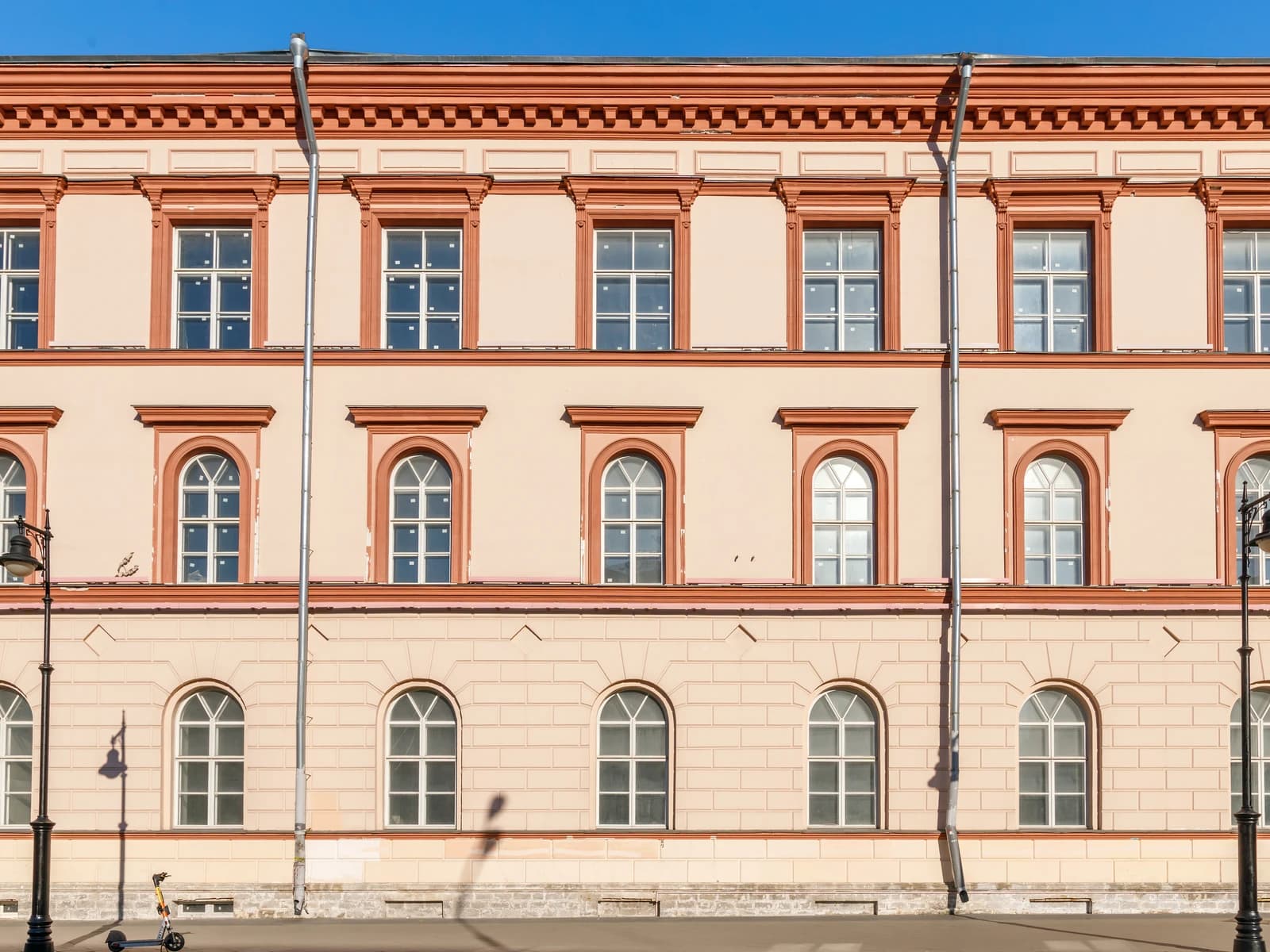
The complex sits in a prime location near Royal Park, just off Rue Ducale and Boulevard du Régent, and spans 10,673 square meters across two buildings. One is a 18th-century neoclassical town house that has housed the minister-presidency since the Brussels Region was created in 1989; the other is a 1976 building that had been largely underused. That combination of historic value and central location makes the site attractive to buyers even if renovation costs are significant.
Boris Dilliès, the minister-president, has framed the move as a matter of public-sector efficiency, saying he does not need two offices and has already trimmed cabinet staffing by 20%. His teams are set to be regrouped at the BIP, or Brussels Info Place, at Place Royale, where part of the ministry’s work is already based. For investors and public-finance watchers, that consolidation is the real message: the region is trying to cut recurring costs while realizing value from assets that are no longer essential to day-to-day operations.
The transaction could also test demand for premium Brussels property at a moment when public authorities are under pressure to make budgets balance. A sale at the upper end of estimates would provide meaningful short-term relief, but it is still a one-off gain rather than a structural fiscal fix. That limits its usefulness for lenders, rating watchers and investors looking at the region’s medium-term budget trajectory.
The buyer pool will be closely watched. The site’s location near the US embassy and its institutional character could attract diplomatic, commercial or redevelopment interest, although any deal will likely be phased and subject to the kind of due diligence that comes with an asset of this visibility. The key question for markets is whether this marks the start of a broader disposals program in Brussels, or simply a single high-value sale designed to buy time.
| Entity | Gains | Losses |
|---|---|---|
| Brussels Region | ▲One-off cash inflow | ▼Loss of a strategic asset |
| Taxpayers / budget hawks | ▲Lower near-term funding pressure | ▼Fewer public assets retained |
| Potential buyers | ▲Prime central Brussels site | ▼High renovation and acquisition costs |
| Public services / administration | ▲More consolidated office footprint | ▼Historic office presence relocated |