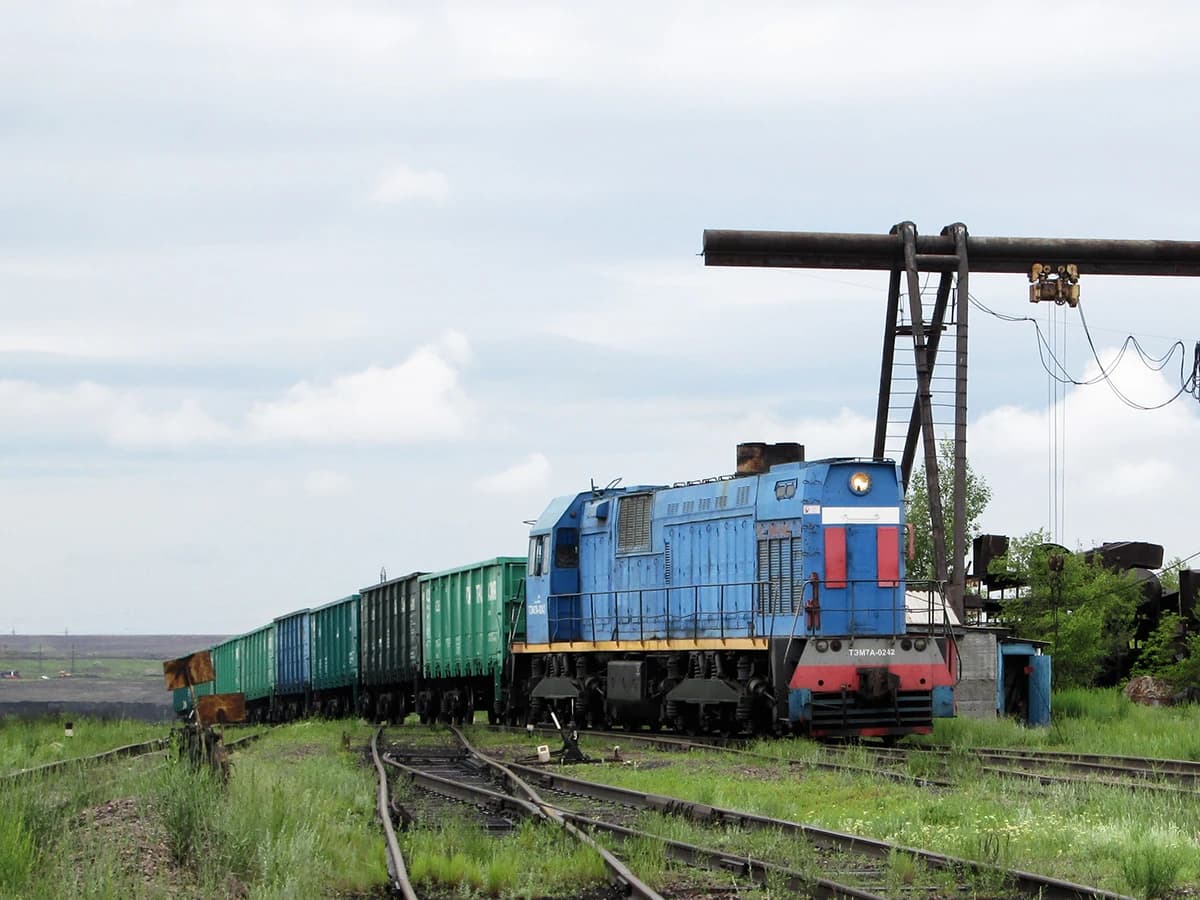
BTC’s role as the main export artery for Caspian crude remains intact, with 18.9 million tons of oil moved through the Baku-Tbilisi-Ceyhan pipeline in the first seven months of the year, underscoring how critical the route remains for Azerbaijan and transit barrels from Central Asia.
BTC pipeline carries 18.9 million tons in 7 months
That matters because BTC is not just a pipeline story; it is a regional pricing and logistics story. The line carried 76.6% of Azerbaijan’s main oil pipeline transport in the period, according to state statistics, making it the dominant outlet for a country whose export revenue still leans heavily on hydrocarbons. In a region where pipeline access shapes fiscal income, trade balances and geopolitical leverage, throughput is a proxy for both energy security and cash flow.
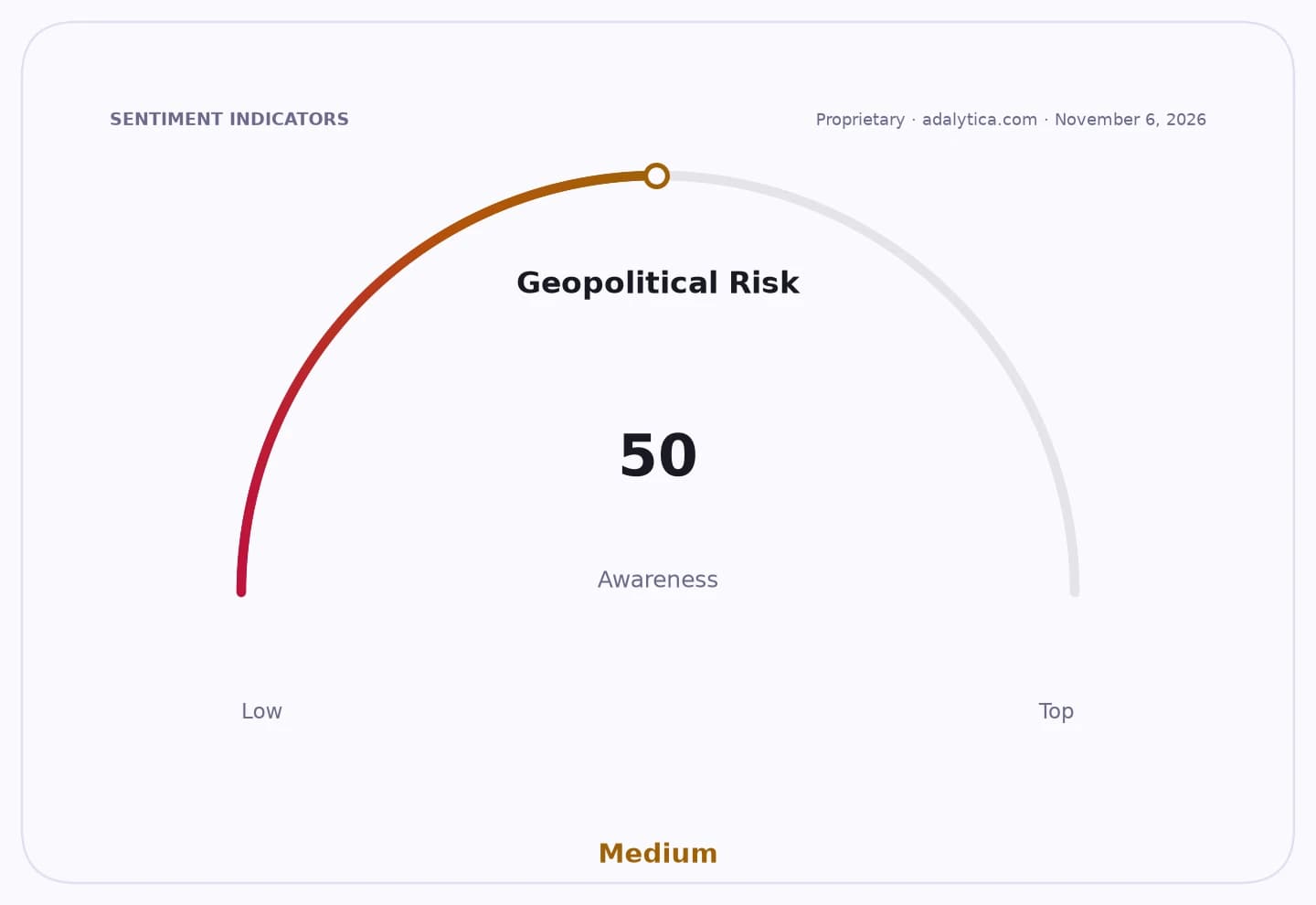
Sentiment Indicators
The mix also shows BTC’s broader strategic value. Of the crude moved this year, 82% came from Azerbaijani output, while 18% came from Turkmenistan and Kazakhstan. That trans-Caspian share matters because every barrel routed through BTC helps diversify export options away from the tighter chokepoints and political risks that can shadow Russian transit routes. For producers, it means optionality; for buyers, it means a steadier supply lane; for investors, it highlights a durable infrastructure asset with recurring relevance even in a world focused on the energy transition.
The pipeline is still operating below last year’s pace in annual terms, however, with last year’s BTC volumes falling 7.8% from a year earlier to 27.18 million tons over the comparable period, while total oil transported through Azerbaijan’s main pipelines also declined 6.3%. That suggests the near-term story is less about explosive growth than about resilience: BTC remains the backbone, but flows are sensitive to field output, maintenance and regional supply dynamics.
For investors, the takeaway is that the market should keep treating Caspian export infrastructure as an essential toll road, not a fading legacy asset. Any sustained recovery in Azerbaijani production, or a further increase in Central Asian volumes, would feed directly into BTC throughput and reinforce the strategic premium attached to the corridor. In a commodity market that still rewards reliable logistics, BTC remains one of the region’s most important energy assets.
| Entity | Gains | Losses |
|---|---|---|
| Azerbaijan | ▲Export revenue stability | ▼Less throughput growth |
| Turkmenistan and Kazakhstan | ▲Access to alternative export route | ▼Reliance on transit capacity |
| BTC pipeline operators | ▲Steady strategic relevance | ▼Exposure to output declines |
| Competing transit routes | ▲Less demand | ▼Traffic and leverage |