BULOG is flooding Indonesian markets and retail shelves with rice to keep consumer prices from breaking above the government’s ceiling, a move that matters because rice is still one of the country’s most politically sensitive staples and a key driver of household inflation.
BULOG distributes rice to stabilize Indonesia prices
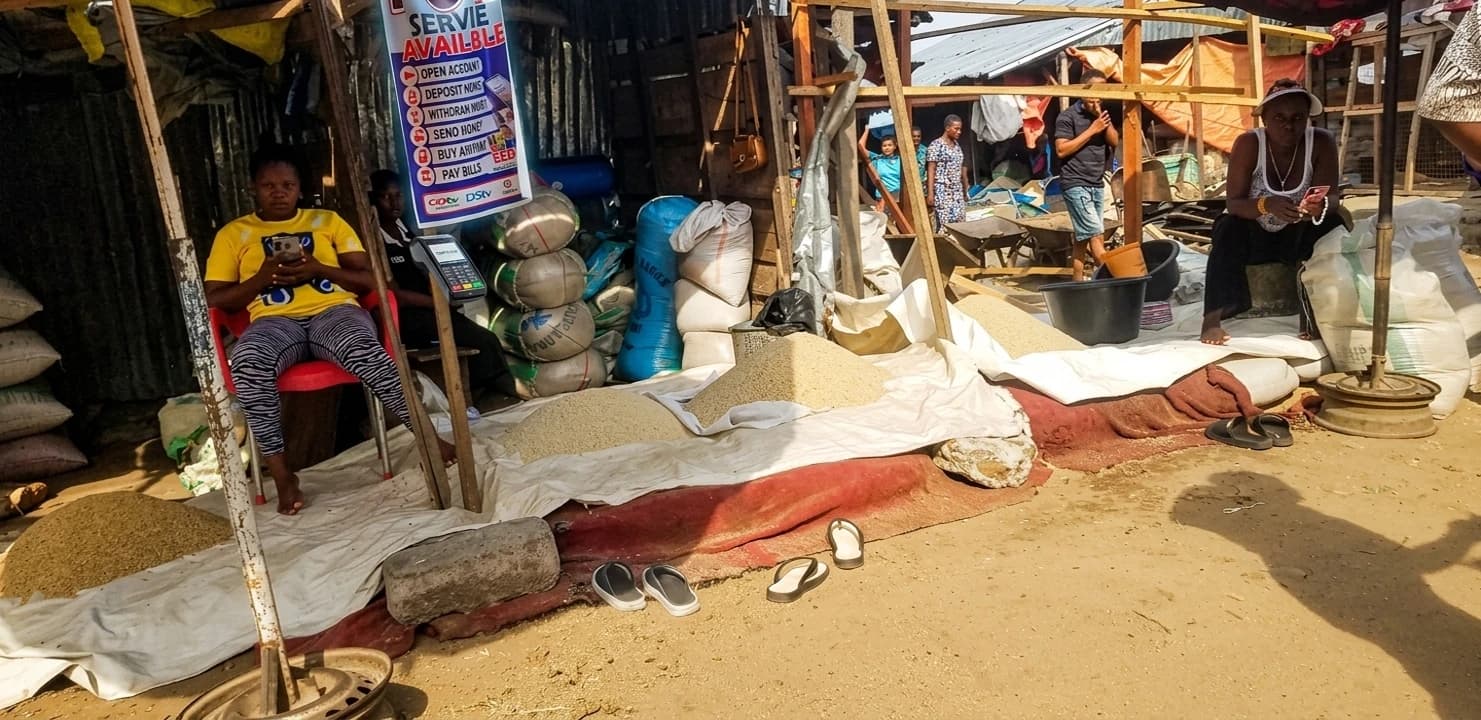
The state logistics agency said it is distributing rice directly to traditional markets and modern retailers while field teams monitor stock and prices across the country. BULOG says the aim is simple: make sure supply is available and keep prices in line with the HET, Indonesia’s highest retail price cap.
That matters economically because rice has an outsized influence on food costs, and food costs shape both consumer spending power and inflation expectations. If rice prices stay contained, it helps protect lower-income households, which spend a larger share of their budgets on essentials, and gives policymakers a little more room to manage inflation without leaning too heavily on interest rates or subsidies.
BULOG said it controls roughly 4.9 million tons of rice, a hefty stockpile that gives the government room to intervene if local shortages or speculative buying push prices higher. In practical terms, that inventory acts as a buffer between harvest cycles, retail shelves and any sudden demand shocks.
For investors, the story is less about a single price move and more about the signal it sends: Indonesia is willing to use state stockpiles aggressively to defend food stability. That can be supportive for consumer confidence, but it also means the government remains deeply involved in a market that can affect inflation, fiscal outlays and sentiment toward the broader Indonesian economy.
The wider backdrop is a rice market that remains tight across parts of Asia, with import demand, weather risks and policy interventions still shaping prices. In that environment, BULOG’s distribution campaign is a reminder that food security is not just an agricultural issue — it is a macro issue.
For long-term investors, the takeaway is straightforward: when governments move this decisively to hold down staple prices, they are trying to protect the domestic economy from a shock that can ripple into spending, margins and policy. It is worth watching closely, especially if rice inflation starts to reaccelerate or if BULOG’s stockpile is drawn down faster than expected.
| Entity | Gains | Losses |
|---|---|---|
| Indonesian consumers | ▲Stable rice prices | ▼Less risk of food inflation |
| BULOG / government | ▲Stronger price control | ▼Lower flexibility if stockpiles fall |
| Retailers and markets | ▲Better product availability | ▼Less room for price markups |
| Rice buyers facing shortages | ▲Easier access to supply | ▼Potentially higher dependence on state intervention |