BYD is moving to assemble electric vehicles locally in Malaysia through Inokom, the same contract manufacturer that builds the BMW i5 for the market, a step that suggests the Chinese EV maker is adapting to tougher import conditions in one of Southeast Asia’s fastest-growing auto markets.
BYD to Assemble EVs in Malaysia
Economic Growth Targets
The decision matters because Malaysia has been tightening the economics of bringing in fully built vehicles, making local assembly a way to preserve pricing, protect market share and avoid punitive import barriers. For BYD, which has been expanding aggressively outside China, CKD assembly in Malaysia gives it a faster route into a market where policy can now determine who can compete on price.
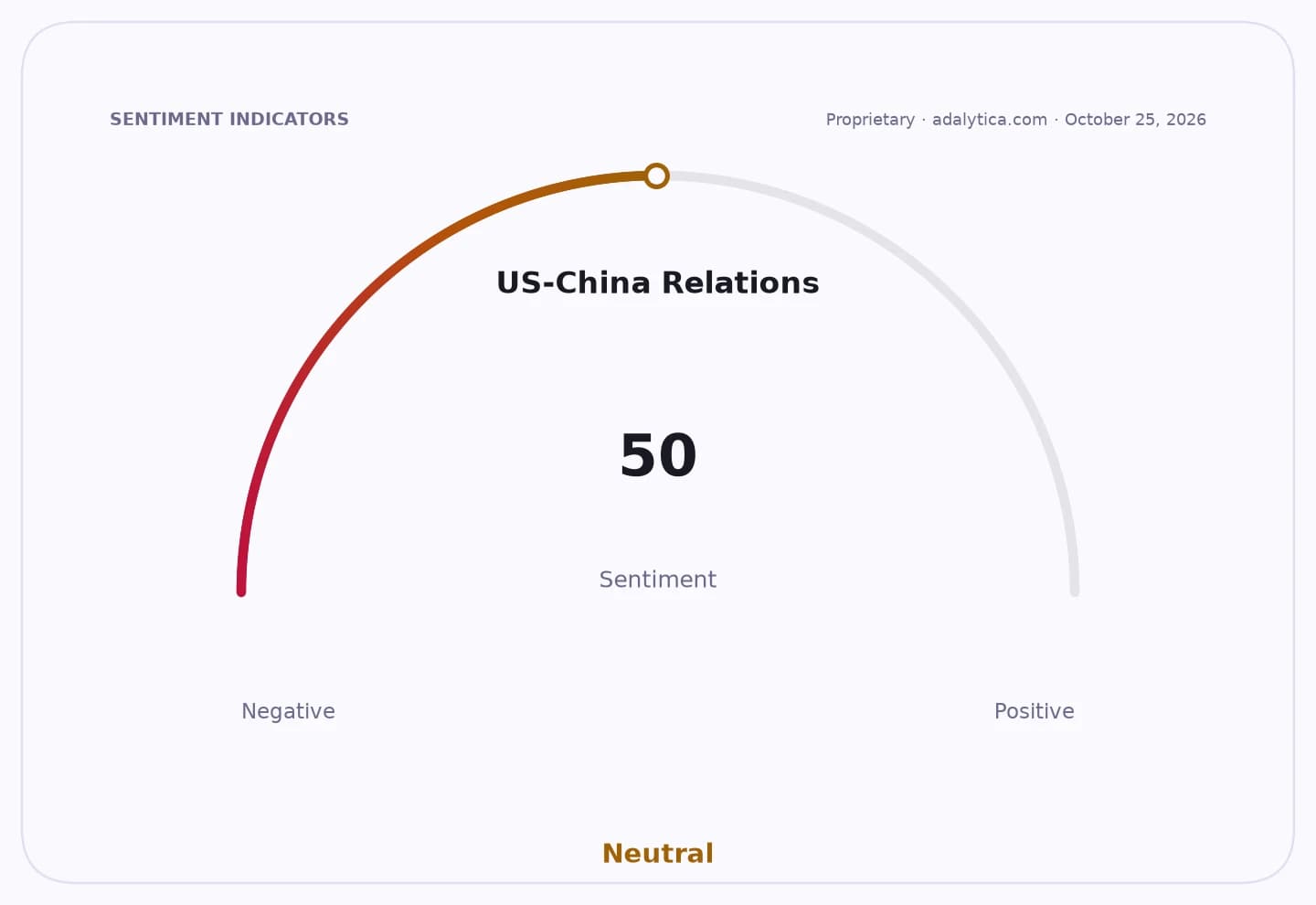
Sentiment Indicators
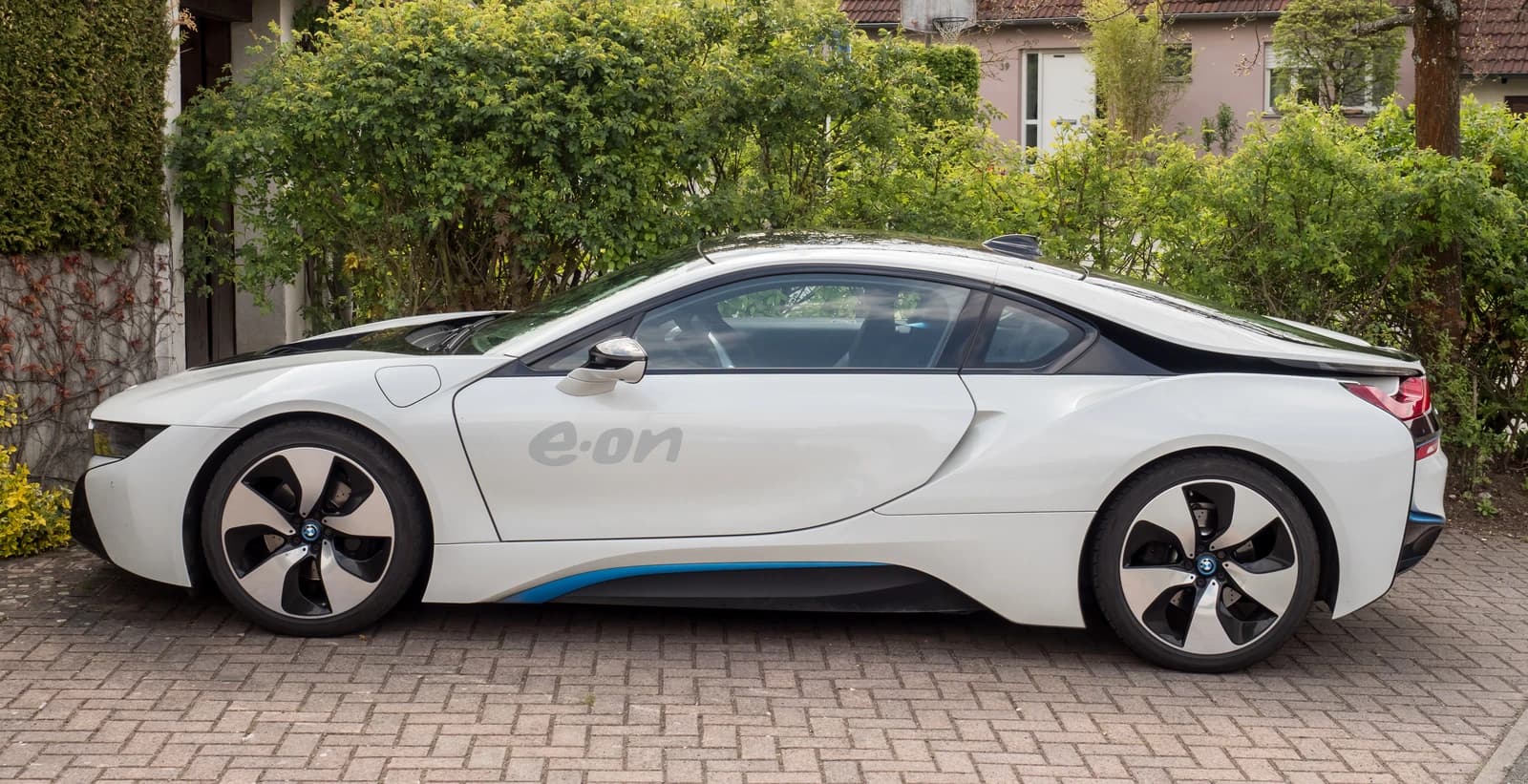
Inokom’s role is notable because it already serves established premium brands, underscoring how Chinese EV makers are increasingly leaning on the same regional manufacturing base used by legacy automakers. That can help BYD move quickly without committing immediately to a large greenfield factory, while still satisfying local-content expectations that often come with incentives or easier market access.
For investors, the move reinforces BYD’s push to localize production across key export markets as tariffs, quotas and non-tariff barriers reshape EV competition. It also shows how Chinese automakers are responding to the same trade pressures that have pushed peers to diversify manufacturing beyond China amid rising scrutiny in overseas markets.
BYD’s shares have been volatile in recent months, with the U.S.-listed stock trading well below its 50-day and 200-day moving averages, reflecting a broader pullback even as the company keeps expanding abroad. The Malaysia plan is unlikely to move earnings on its own, but it adds another data point to the company’s international execution story as investors watch whether overseas assembly can offset margin pressure from a more fragmented global market.
The key next catalyst is whether BYD scales the Malaysia operation beyond a limited CKD setup and whether other Southeast Asian markets follow with similar import rules, forcing more automakers to localize or risk losing access.
| Entity | Gains | Losses |
|---|---|---|
| BYD | ▲Lower import friction | ▼Higher local-ops complexity |
| Inokom | ▲More contract assembly work | ▼Greater capacity strain |
| BMW | ▲Shared supplier base efficiency | ▼Potential slot competition |
| Importers of fully built EVs | ▲None | ▼Weaker pricing edge |