BYD’s top challenge is no longer engineering or demand — it is geopolitics, and that matters because the world’s fastest-moving electric-car exporter can only compound so fast if trade barriers, tariffs and political pushback keep closing off markets.
BYD Shares Fall as Geopolitical Risks Rise
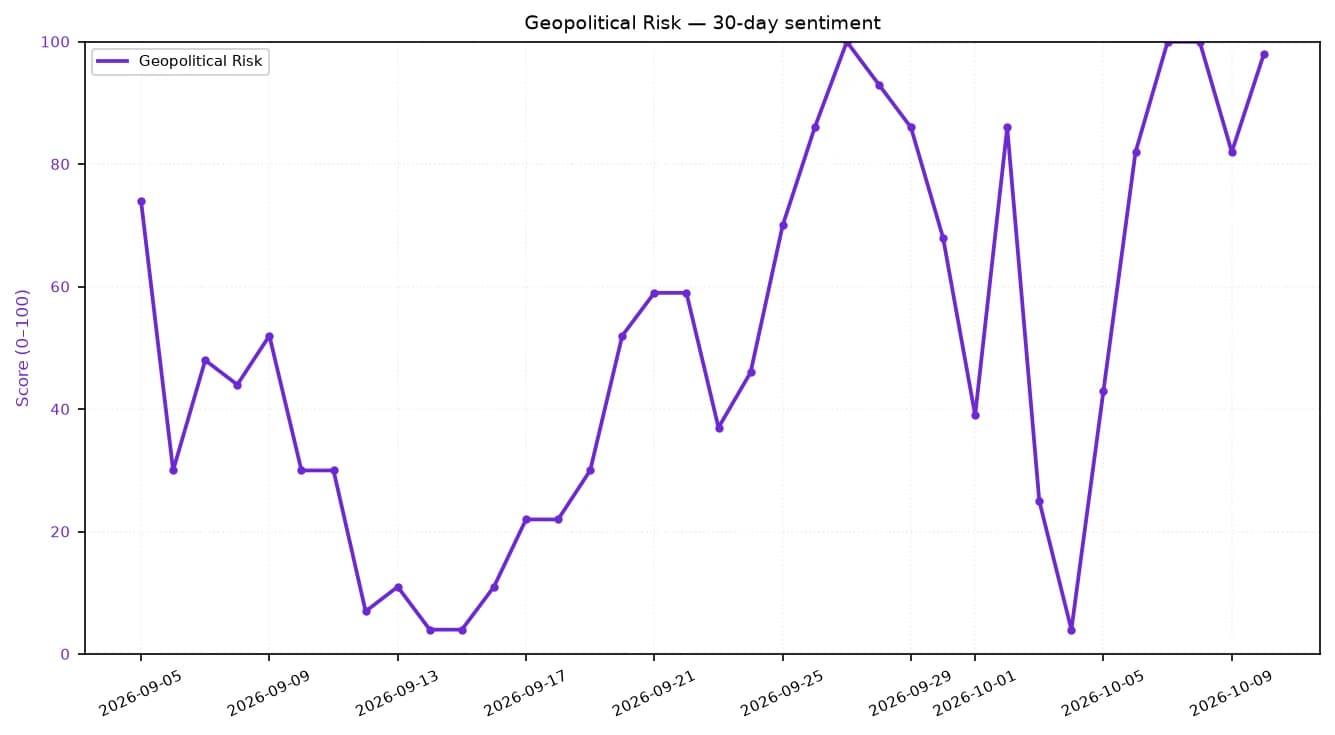
That is the real investment story here. BYD has built a formidable low-cost manufacturing machine, but expansion outside China increasingly depends on access to Europe, Latin America and other overseas markets where politics can be just as important as price. For investors, that changes the debate from “Can BYD sell more cars?” to “How much of that growth can actually be converted into durable earnings and cash flow?”
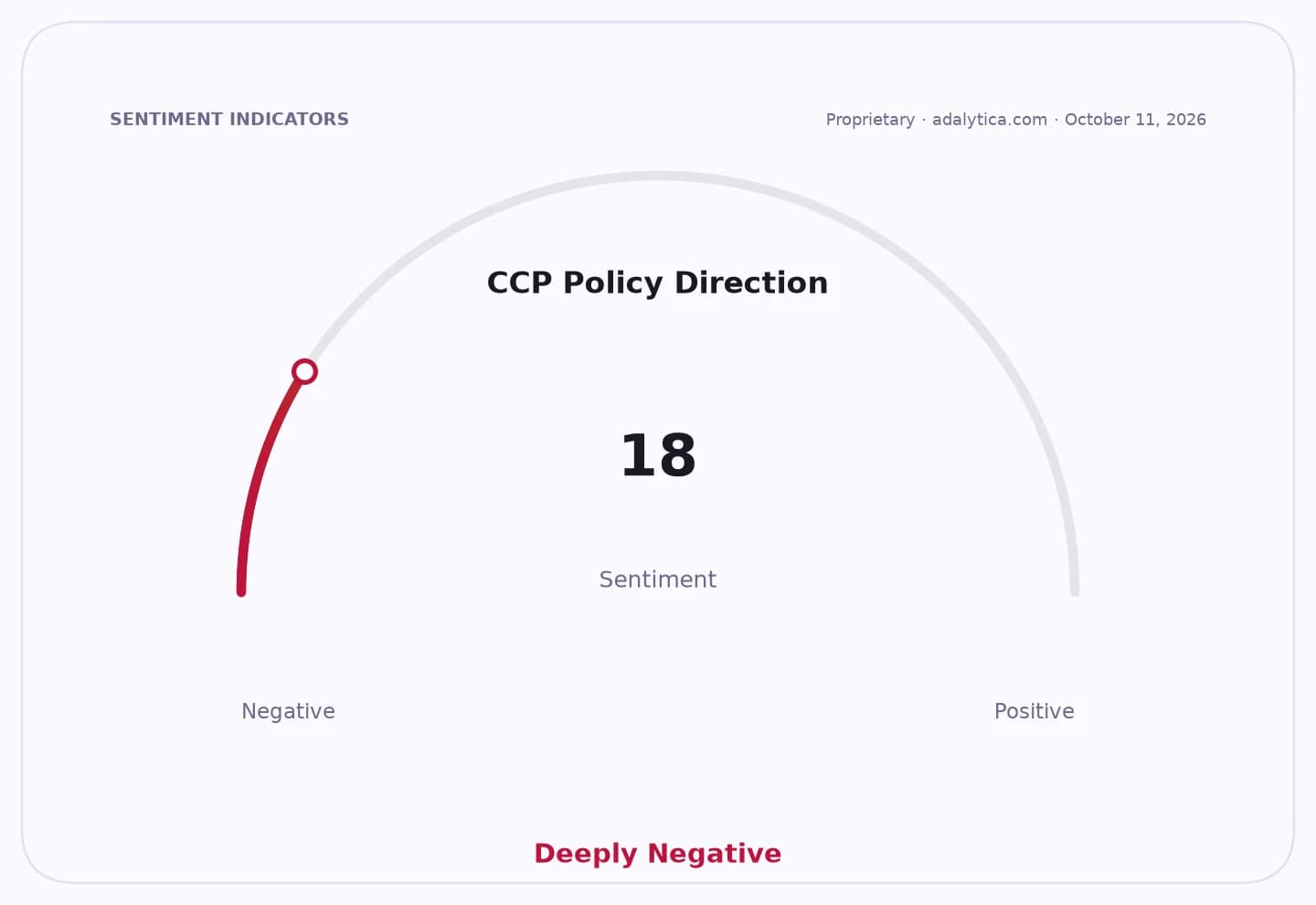
Sentiment IndicatorsⓘProprietary · adalytica.com · October 10, 2026
This is a snapshot — live sentiment, awareness and momentum for 130+ markets update continuously in the dashboard.Open AlphaPulse
The market has already started to price in that friction. BYD’s U.S.-listed shares have slid to about $9.67 from more than $13 earlier this year, and the stock remains well below both its 50-day and 200-day moving averages. On the Hong Kong line, shares around HK$75.60 are also far under their longer-term trend, even after a small rebound from this week’s lows. The technical backdrop is consistent with what geopolitics often does to a growth story: it compresses valuation before it shows up in the reported numbers.
The company’s challenge is especially important because BYD sits at the center of the global EV cost war. It has been one of the clearest beneficiaries of scale, battery integration and relentless pricing discipline. But that advantage is easier to monetize at home than abroad, where governments are more willing to use tariffs, subsidies and industrial policy to protect domestic automakers.
That puts BYD in the same broad strategic trap facing other auto giants, including Tesla, General Motors and Ford: supply chains, pricing and capital spending are increasingly shaped by policy risk rather than just consumer demand. Tesla has already warned in regulatory filings that trade policy and geopolitical conflicts can disrupt supply chains, costs and margins. For the industry, that means more uncertainty around where vehicles are built, where parts come from and how much profit survives the journey.
The long-term takeaway is not that BYD’s expansion is over. It is that the path will likely be slower, messier and more regional than investors once hoped. For patient investors, that can still be acceptable if the company keeps widening its manufacturing lead and protecting margins. But the premium case for the stock now depends on more than car sales — it depends on whether BYD can navigate a world where geopolitical friction has become a permanent line item. Worth watching, but the risks are real.
| Entity | Gains | Losses |
|---|---|---|
| BYD | ▲Domestic scale advantage | ▼Faster overseas expansion |
| Protected local automakers | ▲Tariff shelter | ▼Pressure from low-cost imports |
| Consumers | ▲More EV competition | ▼Fewer low-price choices abroad |
| Investors | ▲Buying opportunity on pullbacks | ▼Near-term margin and valuation risk |