BYD’s large-scale recruitment drive at its manufacturing complex in China points to a fresh push to raise output for overseas markets, underscoring how the world’s biggest EV maker is trying to convert industrial scale into a wider global footprint.
BYD hiring hints at export output push
The hiring comes at a time when BYD is still fighting for market share against Tesla and legacy automakers, while also dealing with intensifying scrutiny in key export markets. For investors, the significance is less about the payroll announcement itself than what it implies: BYD appears to be preparing for higher production volumes, which could support export growth, improve factory utilization and reinforce its cost advantage in an industry where scale is often the difference between expansion and margin pressure.
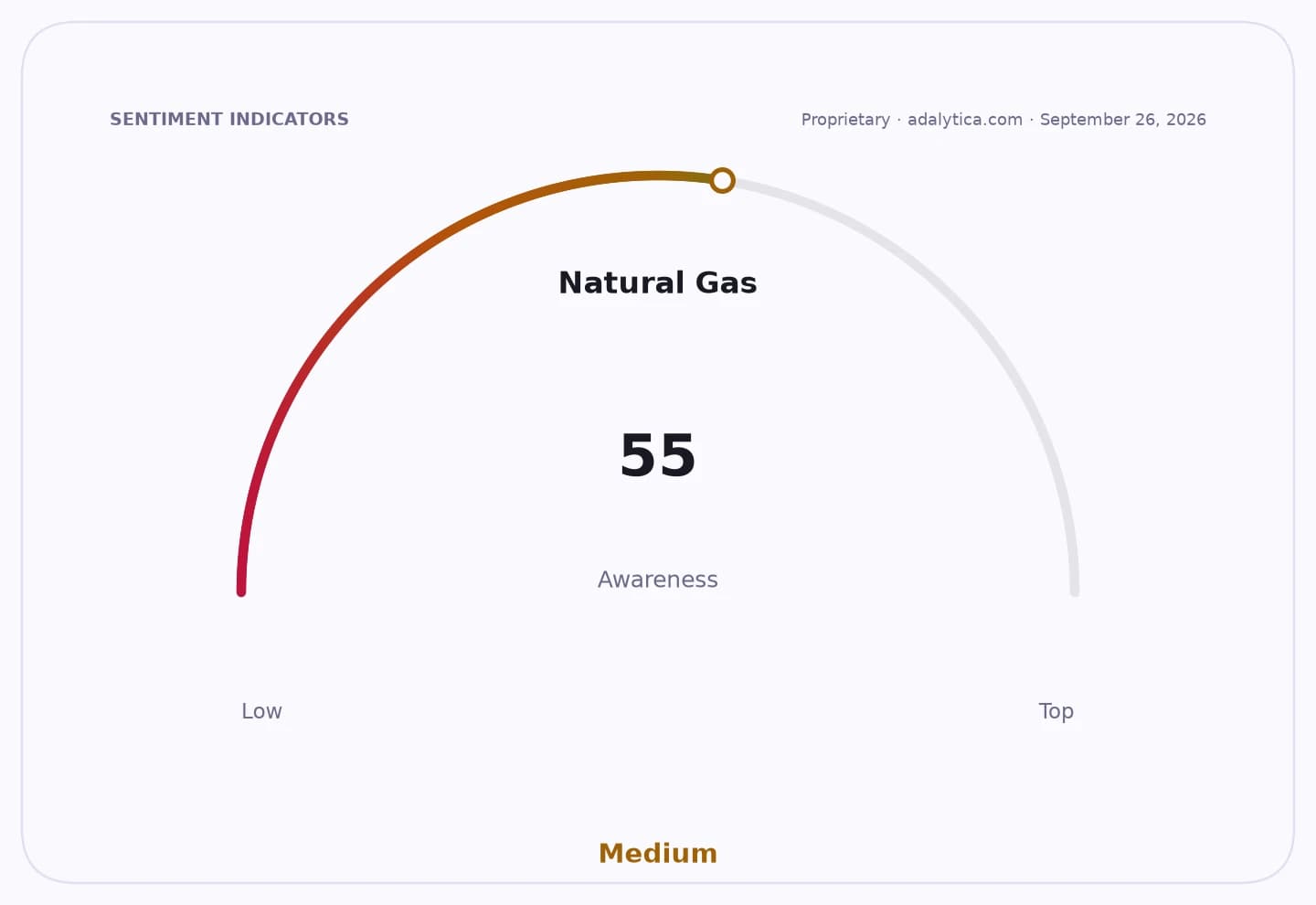
Sentiment IndicatorsⓘProprietary · adalytica.com · July 25, 2026
This is a snapshot — live sentiment, awareness and momentum for 130+ markets update continuously in the dashboard.Open AlphaPulse
That matters economically because China’s EV sector is moving from a domestic demand story to a capacity and trade story. When BYD adds workers at a manufacturing hub, it is usually not just replacing attrition; it is typically a sign that management expects more orders, more line activity or both. In a market where pricing remains competitive, volume growth can help absorb fixed costs and keep unit economics attractive. If BYD succeeds in filling export demand, it could deepen the deflationary pressure on rival automakers in Europe, Latin America and parts of Asia, where Chinese EVs have been gaining traction.
The stock has not fully reflected that growth narrative. BYD’s US-listed shares have been weak over recent sessions, with the ADR closing at $11.12 on July 24, below its 200-day moving average of about $12.29, while its 50-day average sits near $10.98. The technical setup suggests the shares have stabilized after a sharp selloff, but they remain well short of a sustained recovery. That leaves room for either interpretation: bulls will see the hiring as confirmation that export momentum is intact, while bears will argue that expansion plans are occurring against a backdrop of regulatory and competitive risk.
The broader backdrop is mixed. BYD continues to roll out new products and update popular models, evidence that it is still investing to defend its lead in battery-electric and plug-in hybrid vehicles. At the same time, the company faces the realities of a more politicized global EV market, where trade barriers, local probes and subsidy debates can quickly reshape demand. The Reuters-style market read is that BYD’s recruitment drive is a concrete sign of industrial confidence, but also a reminder that growth in the EV business increasingly depends on whether manufacturers can scale abroad without triggering a policy backlash.
For investors, the key question now is whether BYD can translate hiring and factory expansion into sustained export volume without sacrificing pricing power. If demand holds, the company’s scale could widen its advantage over smaller rivals and pressure incumbents further. If not, the same expansion could add to industry overcapacity and weigh on margins. The next catalysts will be shipment data, overseas sales momentum and any sign that BYD’s international push is running into tariff, regulatory or political friction.
| Entity | Gains | Losses |
|---|---|---|
| BYD | ▲Higher output capacity | ▼Execution and margin risk |
| Overseas buyers | ▲Lower EV prices | ▼Fewer local alternatives |
| Tesla and legacy automakers | ▲More clarity on competition | ▼Pricing pressure |
| Host regulators/trade hawks | ▲Local investment leverage | ▼Import-share gains |