BYD has revealed pricing for the third-generation Tang in China, setting up a bigger push in the large electric SUV market with a 402-horsepower model that starts at 225,000 yuan, or about 871.31 million dong, ahead of an expected official launch in the fourth quarter of 2026.
BYD Tang pricing set for China launch
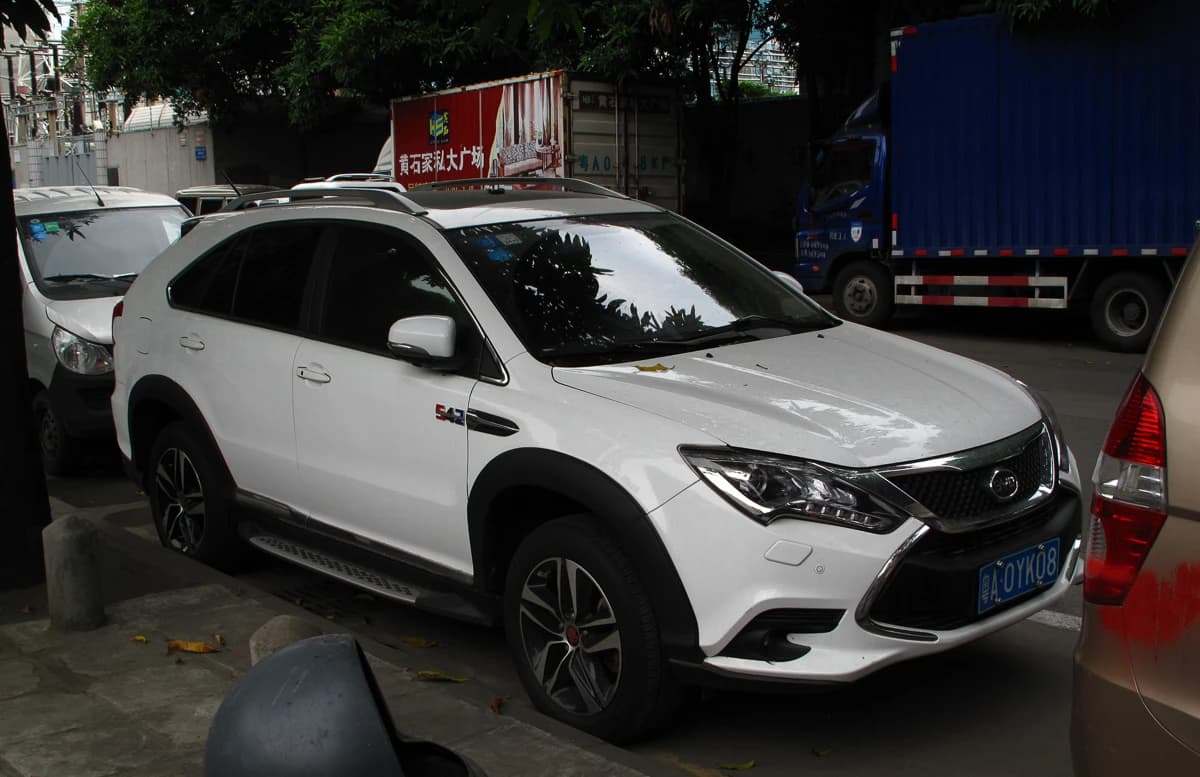
The pricing is important because Tang sits in a high-value segment where range, cabin technology and brand perception can move sales more than outright volume. With a length of 5.045 meters, dual battery options and claimed range of up to 850 kilometers, BYD is positioning the SUV as a premium family vehicle rather than a mass-market commuter car.
Two rear-wheel-drive versions have been announced: the Laser Premium with a starting price of 225,000 yuan and the Laser Flagship at 240,000 yuan, or about 929.40 million dong. Both are expected to use an 88.682-kWh or 105.792-kWh battery pack, depending on configuration, with claimed pure-electric ranges of 730 km, 830 km and as much as 850 km.
The Tang’s software and chassis content is also central to the pitch. BYD says the model will use its Eye of the Gods B driver-assistance system and Cloud Carriage-A suspension, including a dual-chamber air suspension with predictive road-sensing functions meant to improve ride comfort and body stability.
For investors, the new Tang reinforces BYD’s strategy of pushing further up the value chain even as China’s EV market remains heavily competitive and geopolitically sensitive. The company’s U.S.-listed shares have been weak in recent months, and the latest product rollout gives the market a clearer view of BYD’s premium pricing power heading into 2026.
The broader takeaway is that BYD is still using product refreshes to defend share against rivals in the electric SUV segment while leaning on range, size and in-cabin technology to justify higher prices. The main catalyst now is whether the third-generation Tang can convert that spec sheet into demand when it reaches the market late next year.
| Entity | Gains | Losses |
|---|---|---|
| BYD | ▲Higher-end SUV lineup | ▼Near-term launch wait |
| Tang buyers | ▲Longer range, more tech | ▼Higher purchase price |
| Rival EV makers | ▲Benchmark pressure on specs | ▼Pricing and feature competition |
| BYD shareholders | ▲Premium-product growth story | ▼Execution risk in 2026 launch |