Canada’s central bank and the federal government have agreed to keep the 2% inflation target, extending the policy framework that anchors borrowing costs, wage negotiations and bond pricing even as interest rates remain high by recent standards.
Canada keeps 2% inflation target

The decision matters because the target is the benchmark around which the Bank of Canada calibrates monetary policy and markets price the path for Canadian yields, the dollar and credit conditions. With Canada’s policy rate still well above the pandemic era and the 2-year government bond yield around 4.5%, officials are signaling that price stability remains the priority even if growth slows.

For investors, the message is that Ottawa and the central bank are not preparing to redefine success around a higher inflation regime. That supports the credibility of the inflation anchor and reduces the risk premium on Canadian assets, but it also leaves households and rate-sensitive sectors facing a longer period of restrictive borrowing costs. The Canadian dollar, trading near 0.71 U.S. dollar, has been stable rather than reactive, suggesting markets had largely anticipated continuity.
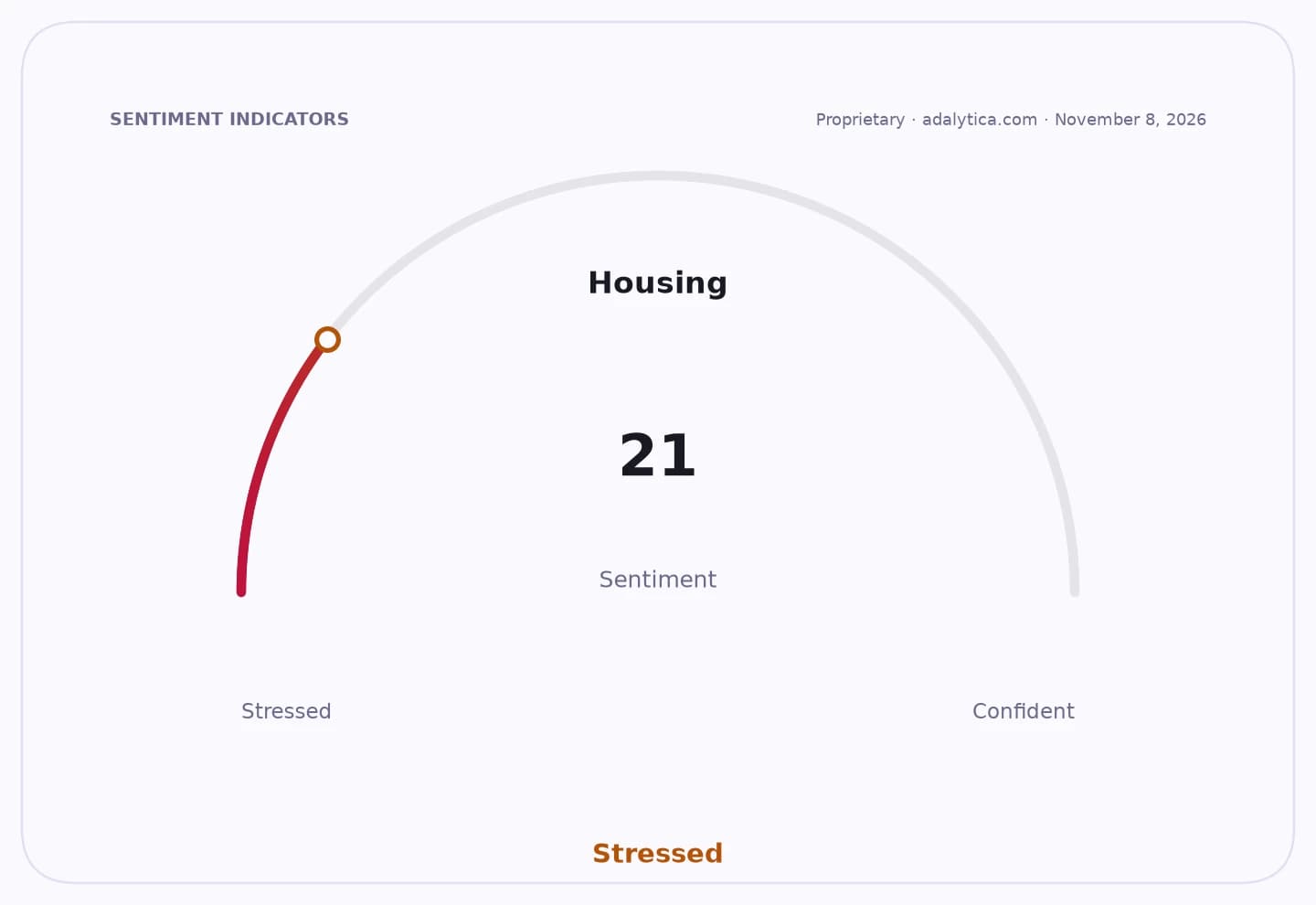
The backdrop is a global policy debate over whether central banks should stick with explicit inflation targets after the sharp post-pandemic surge in prices. In Canada, keeping the 2% goal signals that policymakers still view inflation discipline as the best way to protect long-term growth, even though it can impose short-term pain through weaker consumer demand, higher mortgage stress and slower housing activity.
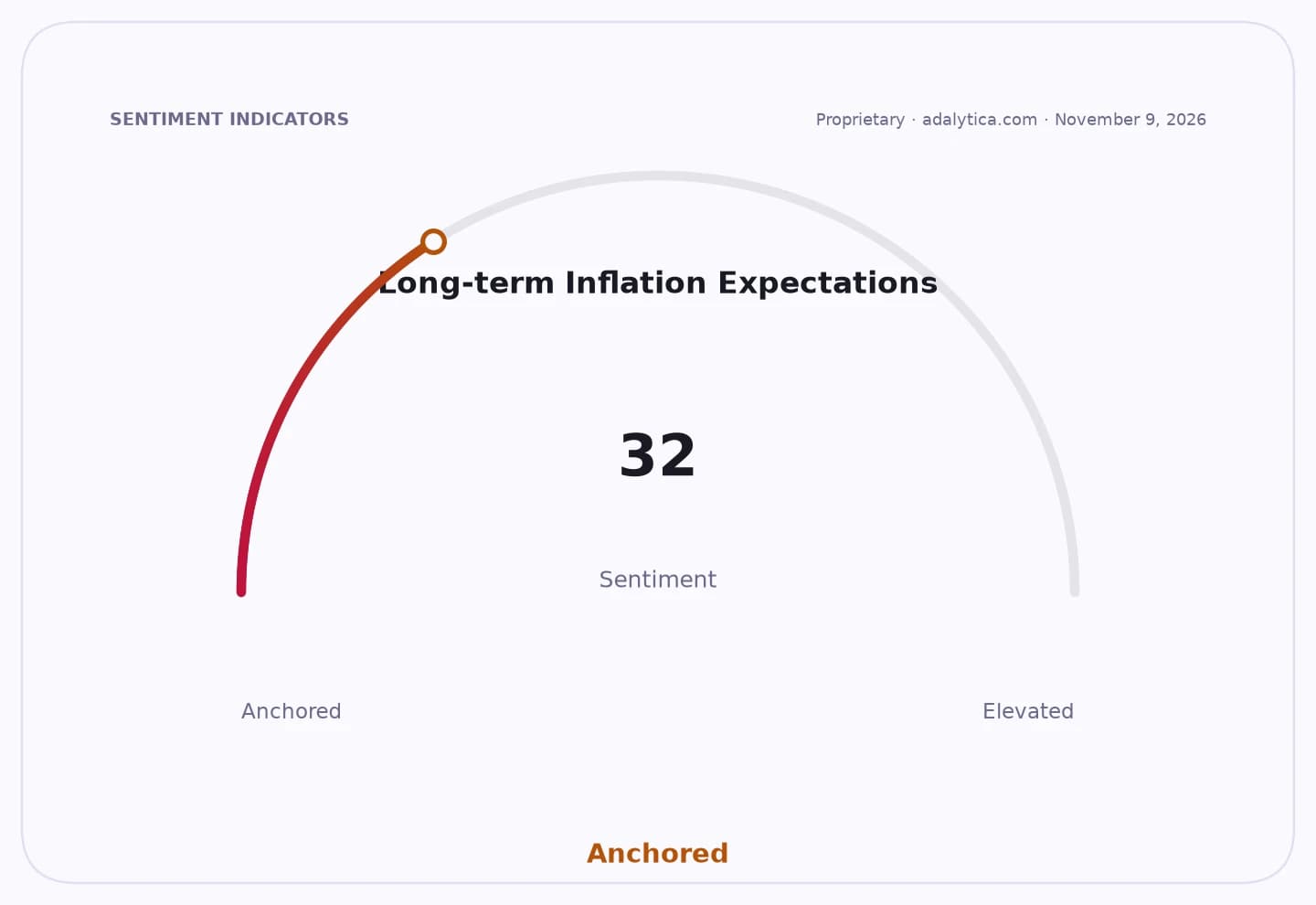
Inflation data show why the target still matters. U.S. consumer prices remain far above pre-pandemic levels, underscoring how difficult it has been for major economies to fully restore price stability. In Canada, the question is less about whether inflation has been tamed than whether the current framework can keep expectations anchored if supply shocks or stronger wage growth return.
Market indicators suggest investors are treating the decision as a credibility check rather than a policy shock. Confidence in the Fed’s 2% inflation target, tracked by Adalytica sentiment gauges, jumped sharply on the latest reading, while inflation expectations measures have been volatile but not decisively broken higher. That supports the case that explicit targets remain useful for keeping long-end yields from drifting up on fears of permanently higher inflation.
The near-term market implication is straightforward: the agreement reduces uncertainty around the inflation regime, but it does not change the burden on the Bank of Canada to keep policy tight enough to return inflation to target on a sustainable basis. That should keep pressure on rate-sensitive assets, while favoring lenders and savers over borrowers in the months ahead.
| Entity | Gains | Losses |
|---|---|---|
| Bank of Canada | ▲Inflation credibility | ▼Policy flexibility |
| Government of Canada | ▲Policy certainty | ▼Short-term growth room |
| Bond investors | ▲Stable inflation anchor | ▼Risk of higher-for-longer rates |
| Borrowers | ▲— | ▼Elevated financing costs |