Fixed mortgage rates in Canada are climbing again as a sharp rise in the 5-year government bond yield pushes lenders to reprice loans higher, leaving borrowers to choose between more expensive fixed terms and increasingly popular variable-rate products.
Canada mortgage rates rise as bond yields jump
The move matters because the 5-year bond is a key benchmark for Canadian fixed mortgages, and its jump from about 2.6% before the Iran war to more than 3.6% — briefly above 3.7% on Monday — has already triggered rate increases from CIBC and TD, with other banks and lenders also moving higher in recent weeks. That lifts monthly carrying costs for households at a time when the housing market is already sensitive to borrowing costs and qualification rules.
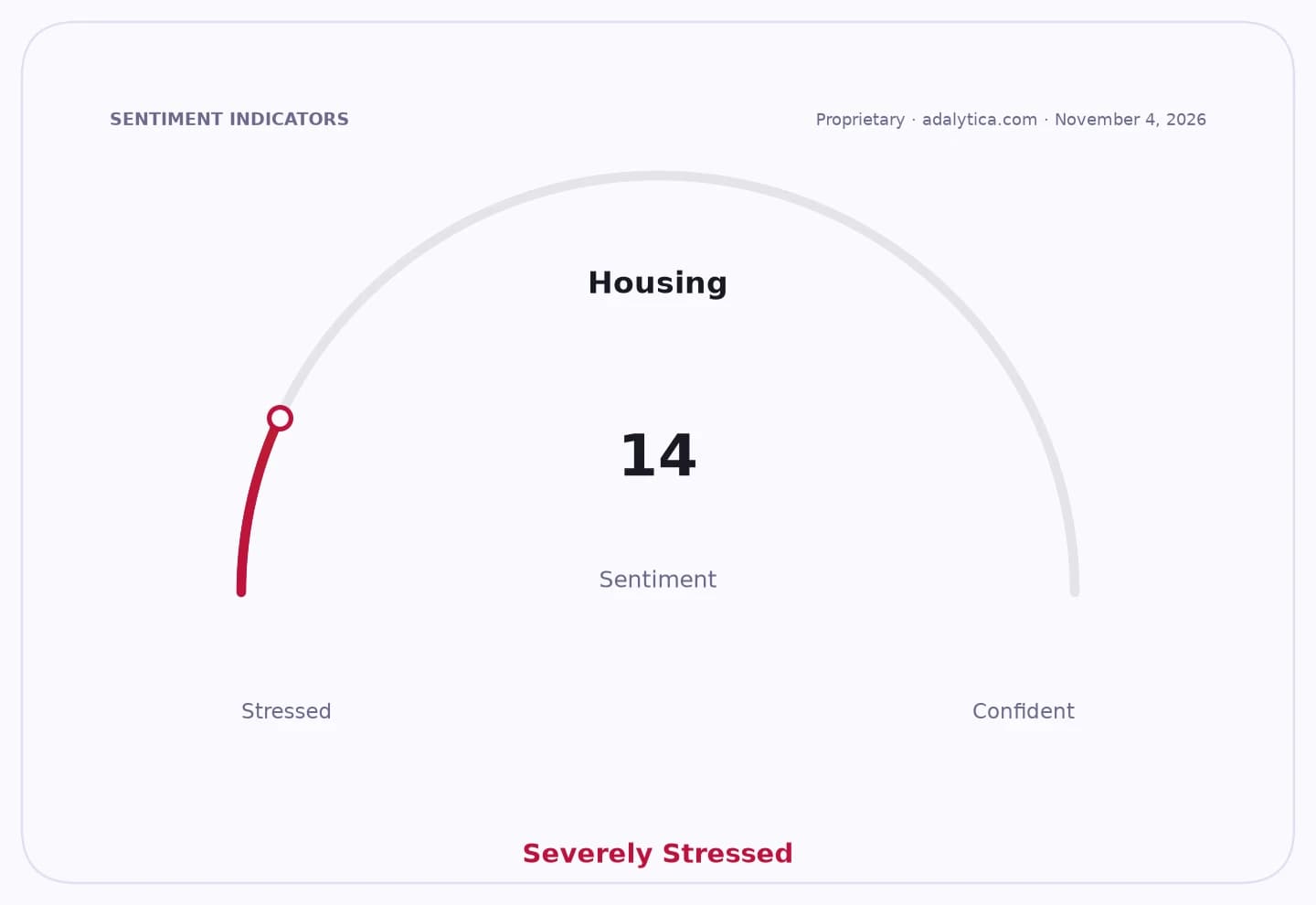
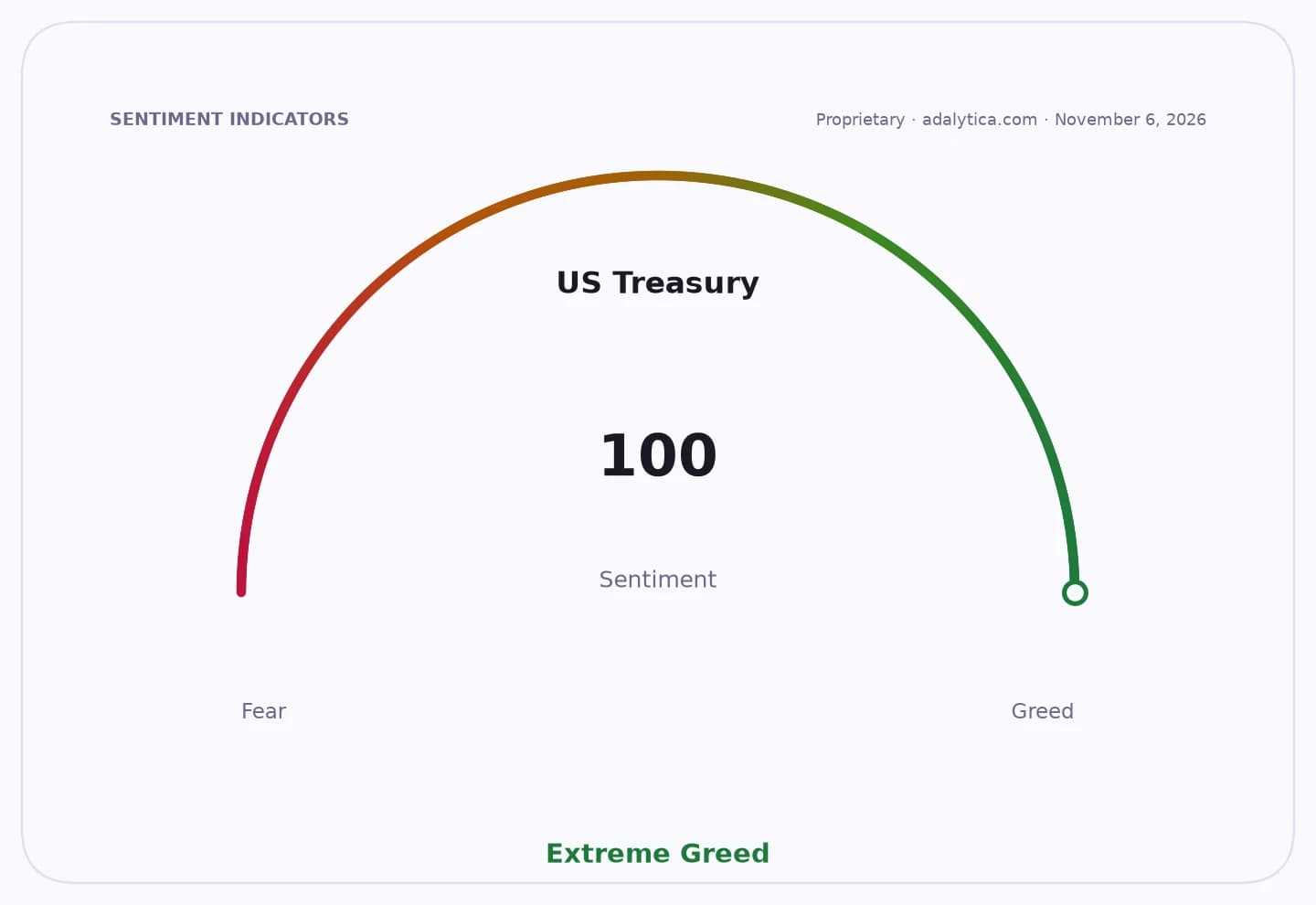
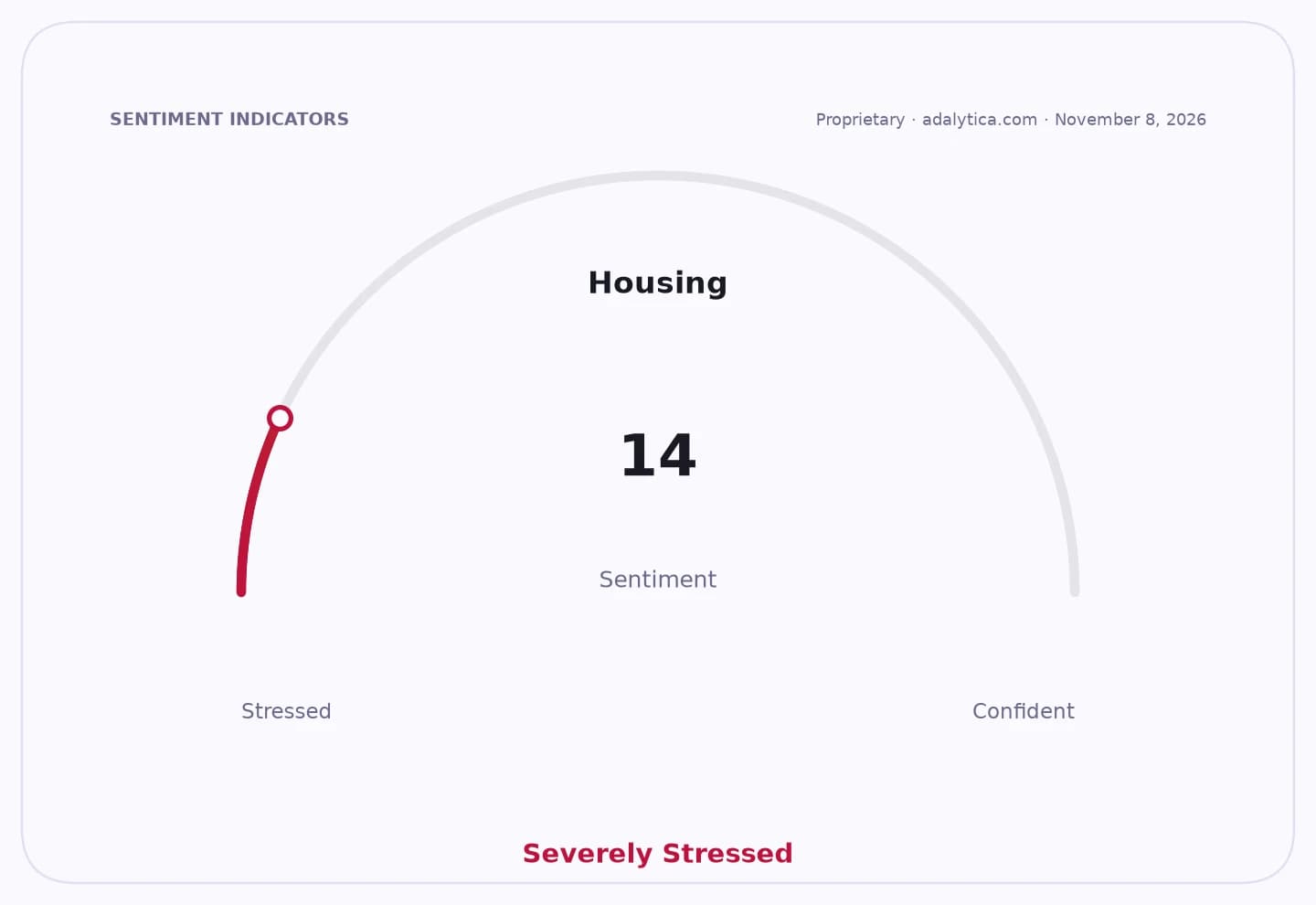
Sentiment Indicators
The pressure is coming from outside Canada as much as from within it. Elevated oil and commodity prices are stoking inflation worries, while bond yields have risen across major economies as markets price in tighter policy and a more persistent inflation backdrop. Even though the Bank of Canada has held its policy rate steady, global yields — especially in the U.S. — are feeding through to Canadian borrowing costs. Market pricing now implies roughly 100 basis points of Bank of Canada hikes over the next 12 months, a sign investors are no longer assuming the central bank can stay on hold for long.
Lenders say the market is being shaped by several forces at once: war-driven commodity inflation, higher global government borrowing, and even capital spending by AI companies building data centres. For fixed-rate borrowers, that combination has become a direct pricing shock. Some brokers see 5-year fixed mortgage rates moving into the five-handle within weeks if bond yields keep rising.
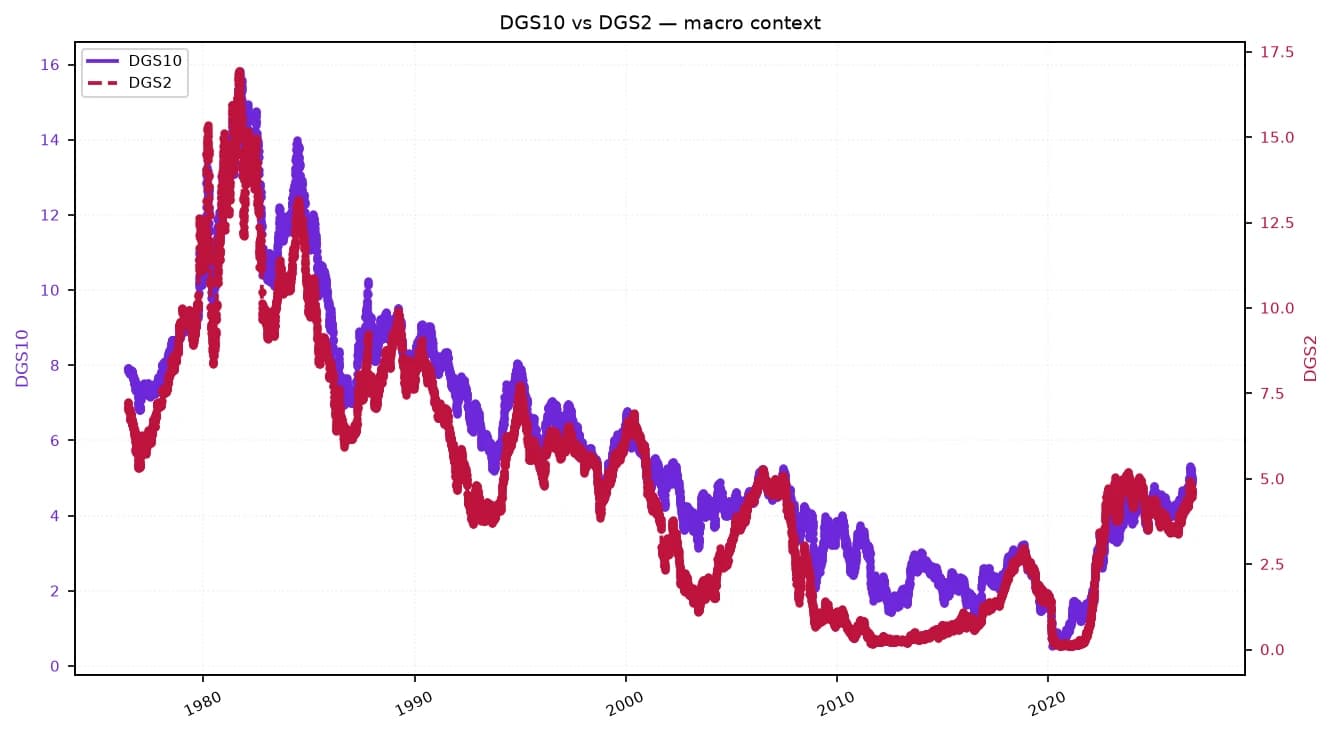
DGS10 vs DGS2 — macro contextadalytica.com
Explore this data interactively — full history, time series and cross-market comparisons.
The bigger market effect may be the widening gap between fixed and variable mortgages. Brokers say variable-rate products are often more than a full percentage point cheaper than comparable fixed loans, and that discount is changing borrower behavior. Historically, about 60% of borrowers chose a 5-year fixed mortgage, but some lenders now say more than 60% — and in some markets close to 90% — are taking variable rates instead. That shift reflects both a bet that policy rates will not rise much further and a simple affordability calculation: some households can qualify for a variable mortgage but not for a fixed one on the same loan size.
That divergence is why the trend matters for investors as well as homeowners. Higher bond yields feed directly into bank mortgage pricing, potentially slowing origination volumes and reshaping product mix across the major Canadian lenders. They also raise the odds of more rate volatility in household debt service, which can affect consumer spending, housing demand and credit quality if borrowing costs keep moving up.
The Bank of Canada’s next move remains the central uncertainty. Some mortgage specialists say the CPI report due Oct. 19 could determine whether the central bank is forced to act on Oct. 28 or Dec. 9, while others argue the case for hiking is weak and that core inflation has remained comparatively stable. The debate reflects a broader split between market pricing, which has turned more hawkish, and economists who think Canada may still be able to wait.
For borrowers, the near-term risk is straightforward: if bond yields stay elevated, fixed mortgages will keep getting pricier even if the Bank of Canada does nothing. For investors, the key question is whether the current repricing is a temporary bond-market adjustment or the start of a more durable rise in Canadian borrowing costs that filters through housing, consumption and bank earnings.
| Entity | Gains | Losses |
|---|---|---|
| Banks and lenders | ▲Wider mortgage spreads | ▼Slower fixed-loan demand |
| Variable-rate borrowers | ▲Lower initial payments | ▼Greater rate uncertainty |
| Fixed-rate borrowers | ▲Rate certainty | ▼Higher monthly costs |
| Canada bond market | ▲Higher yield support | ▼More mortgage affordability strain |