Canada’s federal and Ontario governments are set to unveil new support measures for the country’s auto industry as tariffs imposed by U.S. President Donald Trump deepen the pressure on manufacturers and raise the stakes for jobs, plant investment and supply-chain stability.
Canada Auto Support Plan Targets Tariff Pressure
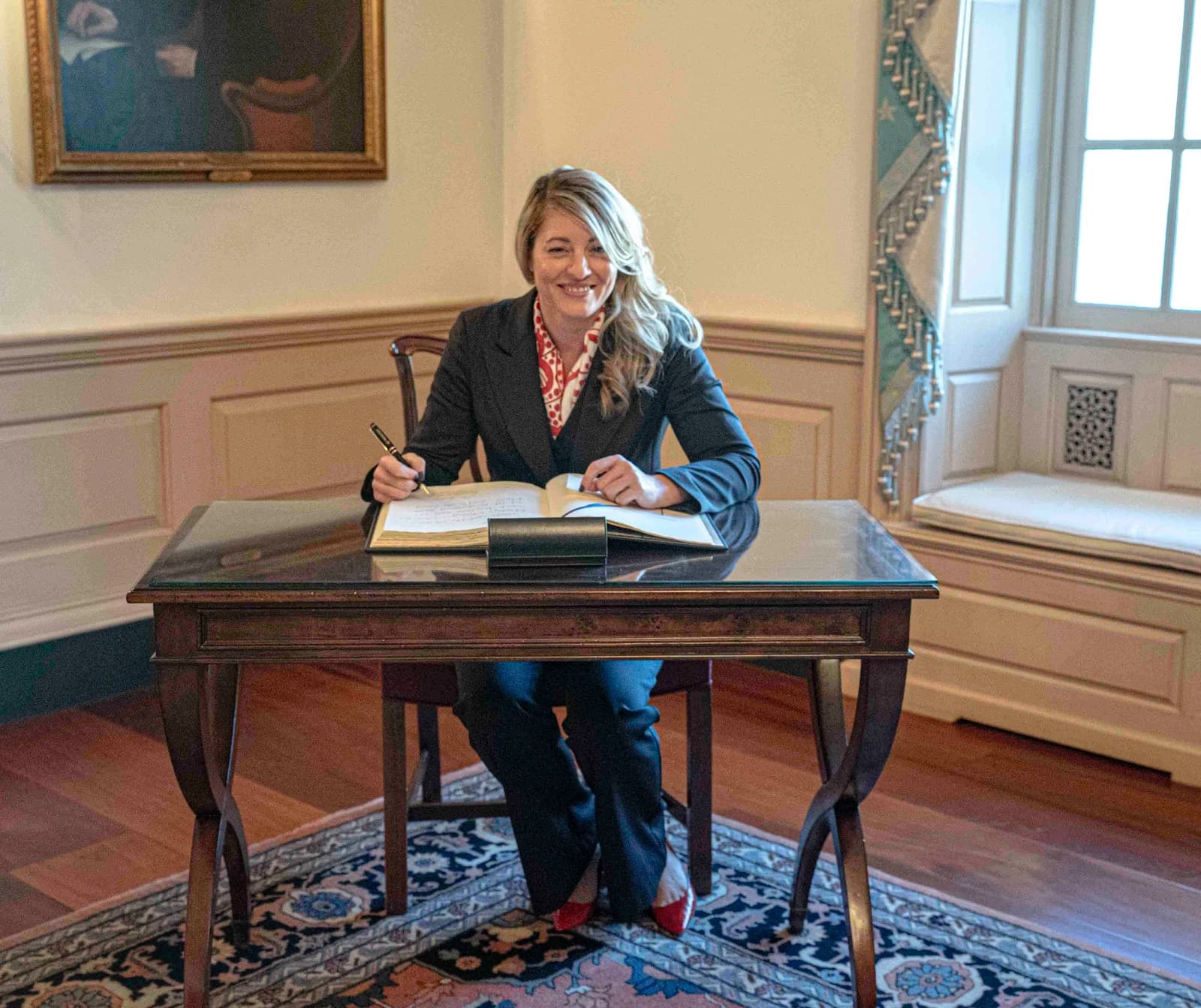
Industry Minister Melanie Joly and Ontario Premier Doug Ford are expected to announce the package alongside Ford Motor Co. of Canada CEO Ivan Boykin and Unifor National President Lana Payne, underscoring how Ottawa and Queen’s Park are trying to steady a sector hit by trade disruption and a worsening dispute with Stellantis.
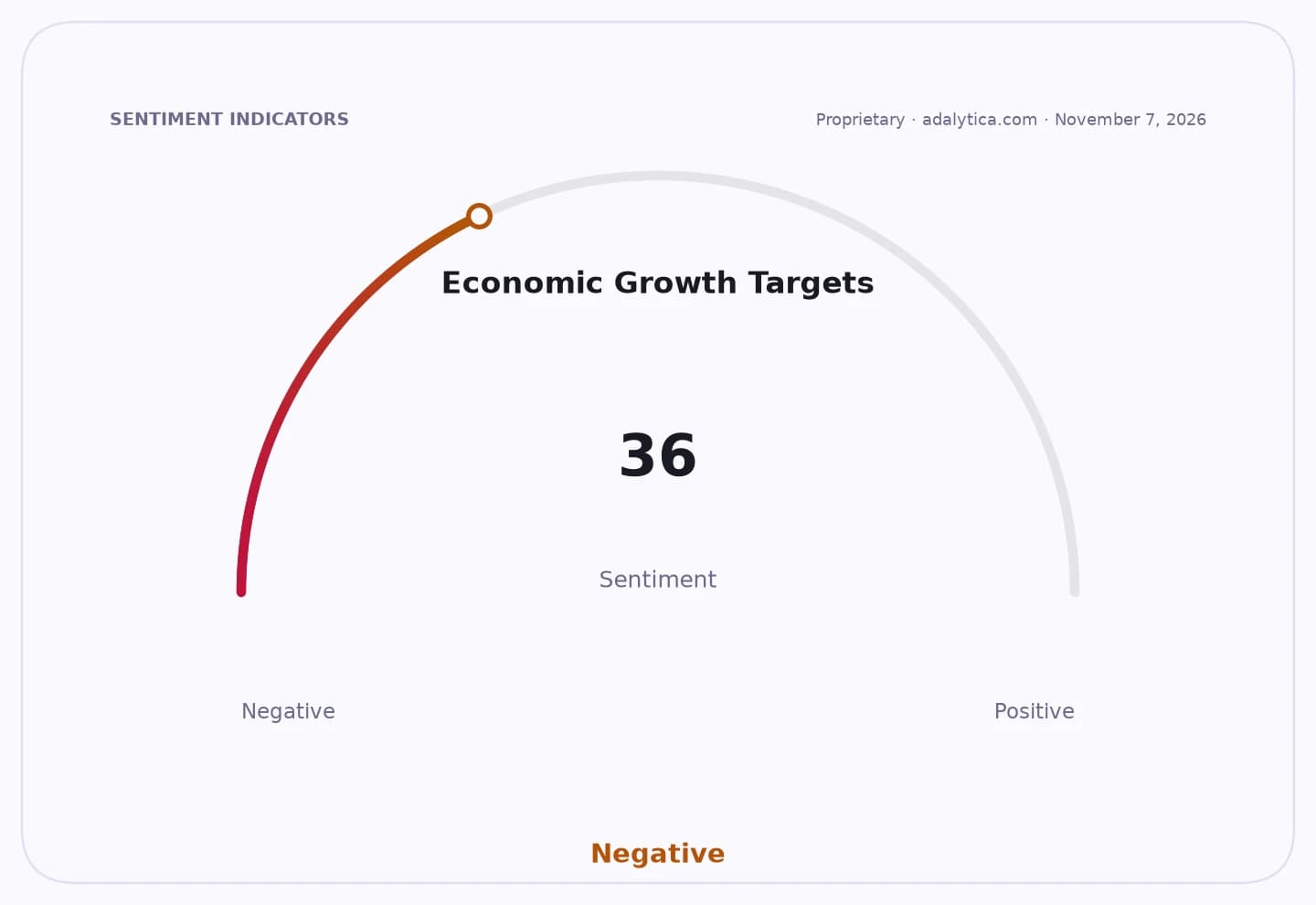
Sentiment Indicators
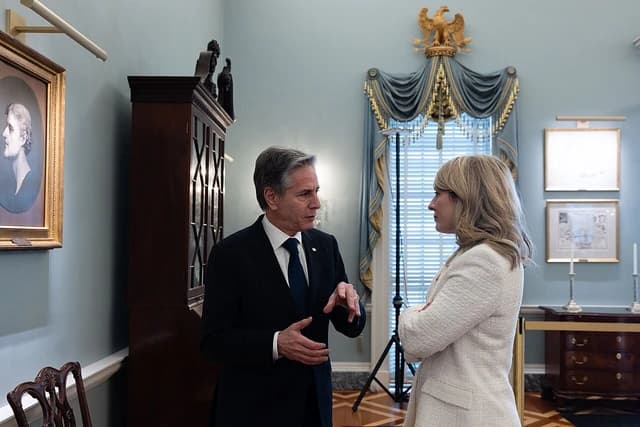
The move comes as Stellantis faces growing political and financial pressure in Canada over its Brampton, Ontario, assembly plant. Joly has said the automaker must repay “hundreds of millions of dollars” to Ottawa after failing to restore jobs at the idled facility, and warned the government will sue if the company does not return the money.
That dispute matters well beyond one plant. Canada’s auto sector is tightly linked to U.S. production, and tariffs threaten to squeeze margins, disrupt investment plans and weaken employment in one of the country’s most important manufacturing industries. Any federal-provincial support package could help protect near-term output, but it also signals that governments are preparing for a prolonged fight over where future vehicle production will be located.
US Dollar
For Stellantis, the issue is now both operational and financial. Joly said the company’s Nov. 12 letter put it in default of a 2022 federal funding agreement because it stopped Jeep Compass production, failed to identify a replacement vehicle, did not maintain production at the site and closed the plant. Stellantis has 30 days to show it will correct the conditions or face penalties, including possible termination of the funding deal and repayment of some or all of the assistance.
Investor attention is likely to remain on the broader North American auto exposure, especially for Stellantis, Ford and General Motors, as Canada tries to keep production and jobs from leaking south or being lost entirely. Ford shares have been relatively stable, while Stellantis stock has been under severe pressure and is trading near the bottom of its range, reflecting how exposed the company is to tariff risk, restructuring costs and labor tension.
The announcement also comes against a backdrop of strained union talks in Canada, where contract negotiations between Stellantis and the union representing more than 9,000 workers remain at an impasse. Any policy response that cushions suppliers, assembly workers or capital investment could become a template for further intervention if tariff pressure intensifies or more plants come under threat.
| Entity | Gains | Losses |
|---|---|---|
| Canadian auto workers | ▲Short-term support, job protection | ▼Ongoing plant uncertainty |
| Ottawa and Ontario governments | ▲Political cover, sector stabilization | ▼Fiscal cost, legal exposure |
| Ford Motor Canada | ▲More policy support, cleaner outlook | ▼Indirect tariff spillover |
| Stellantis | ▲Potential negotiation room | ▼Repayment risk, plant pressure |