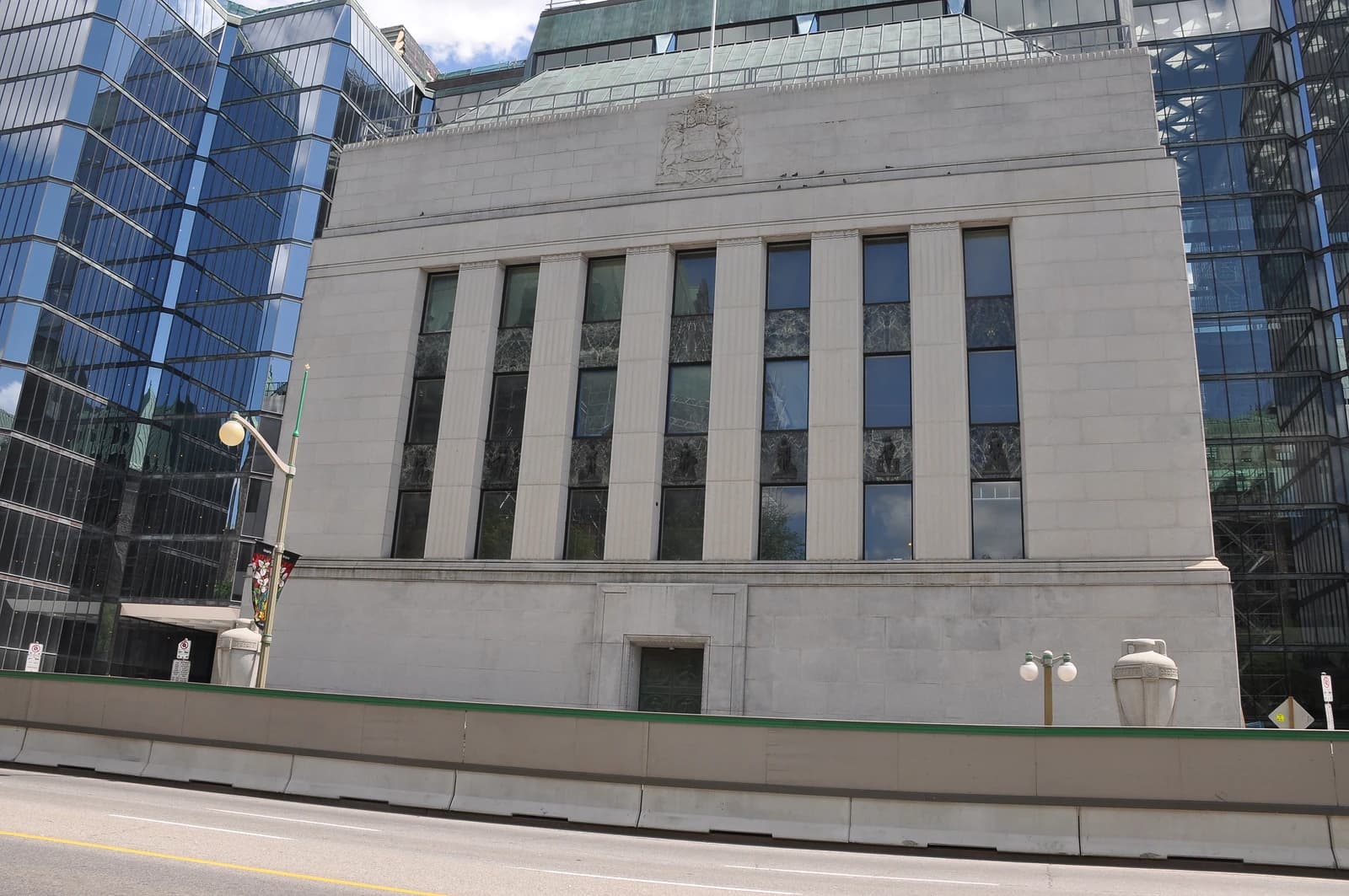
Canada’s inflation rate held at 3.1% in October, undershooting economists’ expectations and weakening the case for the Bank of Canada to keep raising interest rates as soon as December.
Canada inflation holds at 3.1% in October
The report matters because it lands just weeks after the central bank delivered its first rate hike in more than three years, lifting its benchmark to 2.5% on Oct. 28 and warning that more tightening could still be needed to contain inflation. With price growth now stuck near the top of the Bank of Canada’s 1% to 3% target band but not accelerating, traders and policymakers have less evidence that inflation is broadening enough to justify another immediate increase.
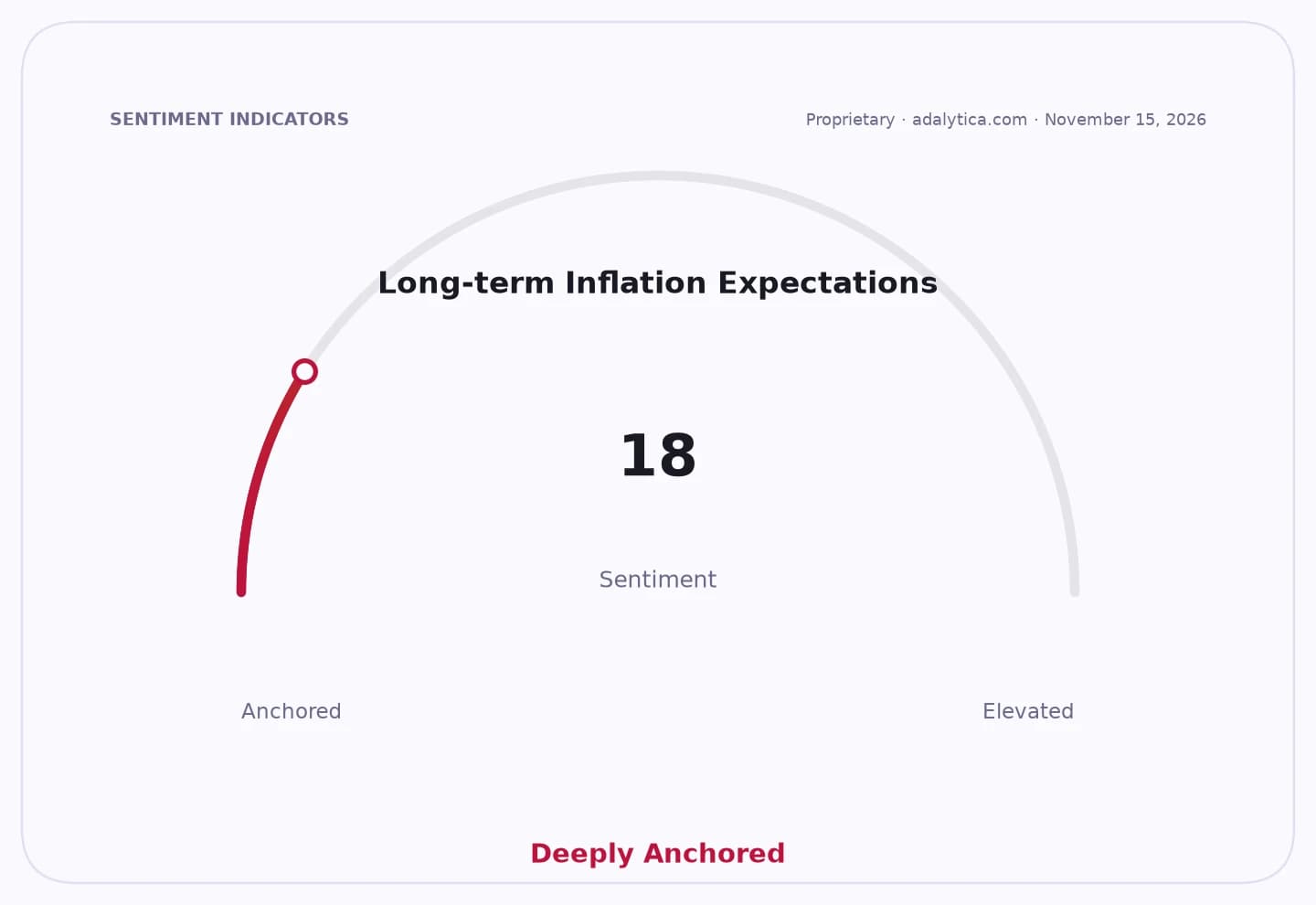
Sentiment Indicators

The bigger picture is mixed. Gasoline remained the main source of price pressure, with fuel costs up 30.9% from a year earlier, while food prices accelerated 2.0% and clothing posted its strongest monthly increase since September 2019. But core measures looked softer: inflation excluding energy slipped to 2.0% from 2.1%, and the consumer price index excluding food and energy cooled to 1.8%.
That tension helps explain the policy debate now building around the December meeting. BMO strategist Benjamin Reitzes said the October data do not clearly justify another rate hike right away, while RBC economist Abbey Xu said underlying pressures remain relatively moderate even as energy costs could still feed through into other prices with a lag.
2% Target Confidence
For investors, the report reinforces the market’s focus on Canadian yields, the loonie and rate-sensitive sectors such as housing and consumer spending. Higher energy prices and geopolitical risks in the Middle East and Ukraine keep the inflation outlook uneven, but the softer core readings give bond markets a reason to question how aggressively the Bank of Canada can keep tightening if growth weakens further.
The next catalyst is whether November gasoline prices and upcoming economic data show the October reading was a pause or the start of a more durable cooling trend. If inflation keeps hovering above target without broadening, the central bank may have room to wait; if energy keeps spilling into other categories, December remains live.
| Entity | Gains | Losses |
|---|---|---|
| Bank of Canada hawks | ▲More room to argue for tighter policy | ▼Less urgency from October CPI |
| Bond investors | ▲Lower odds of an immediate hike | ▼Risk of more volatility from energy |
| Canadian consumers | ▲Slight relief from softer core inflation | ▼Persistent pressure from food, fuel and rents |
| Energy producers | ▲Higher gasoline-linked price backdrop | ▼Consumers and rate-sensitive sectors |