Canada’s inflation rate is expected to jump back toward 3% in July after cheaper gasoline helped cool price growth to 2.8% in June, a shift that would keep pressure on the Bank of Canada and make traders think twice about how fast borrowing costs can fall.
Canada inflation seen rising toward 3% in July
Economists say the main driver is simple: higher fuel prices are filtering back into the consumer basket after the relief seen in June. A fresh rise in gasoline costs would reverse part of that decline and push headline inflation closer to the top end of the central bank’s comfort zone, even if underlying price pressures are less dramatic.
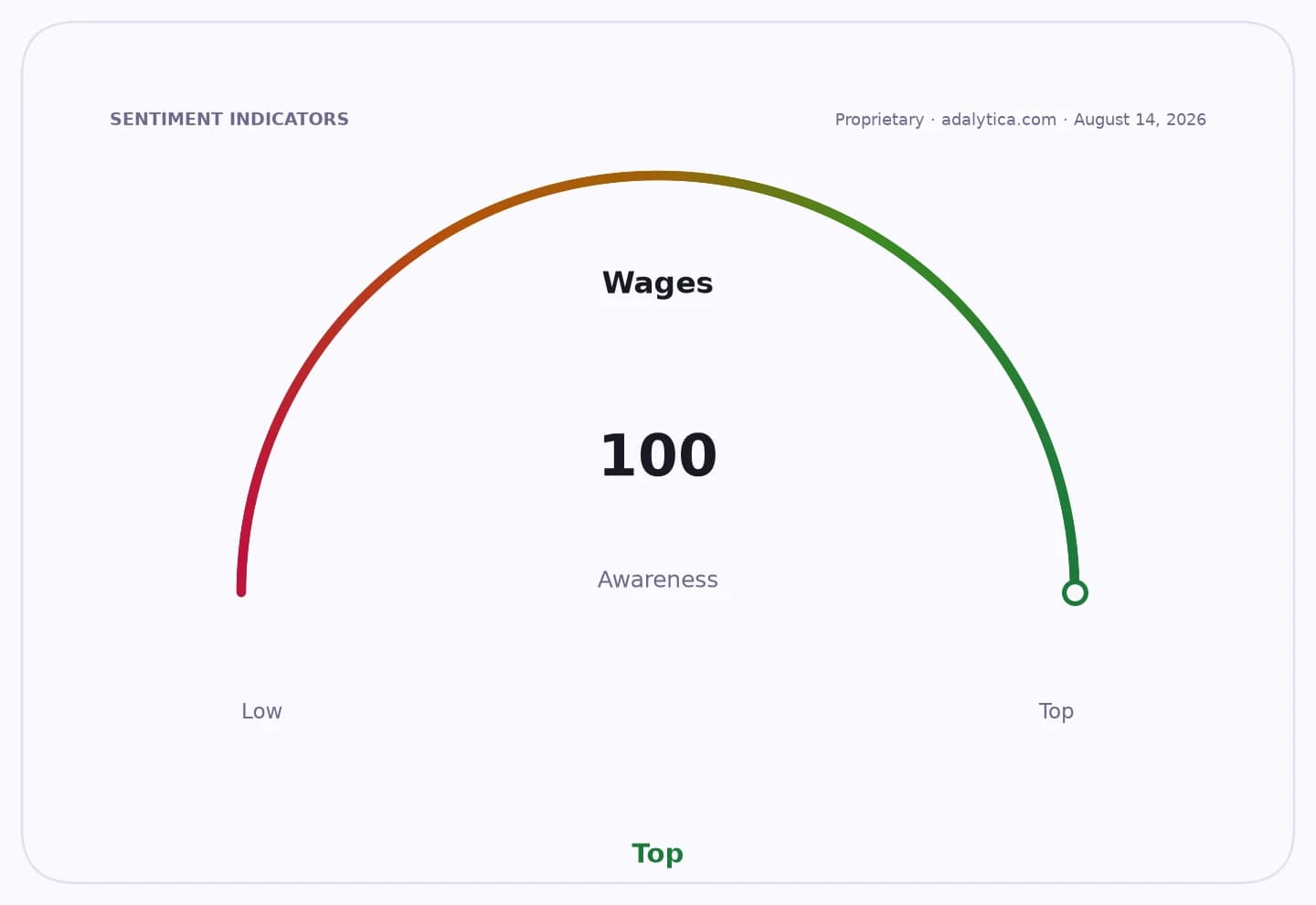
Sentiment IndicatorsⓘProprietary · adalytica.com · August 14, 2026
This is a snapshot — live sentiment, awareness and momentum for 130+ markets update continuously in the dashboard.Open AlphaPulse
That matters for the economy because gasoline moves quickly through transport and delivery costs, and it can spill into broader services and goods inflation if consumers keep paying up at the pump. It also matters for policymakers trying to judge whether inflation is truly settling back to target or merely whipsawed by energy prices.
For investors, a hotter reading would make the case for near-term rate cuts less compelling and could keep Canadian bond yields elevated relative to expectations. Rate-sensitive sectors such as housing, consumer discretionary and leveraged names would be most exposed if the Bank of Canada signals it needs more proof before easing again.
Oil markets add another layer of risk. West Texas Intermediate crude has swung sharply in recent days, with USO’s latest trading showing renewed volatility, while the U.S. two-year Treasury yield has held above 4.1%, underscoring how quickly inflation anxiety can ripple through global rates.
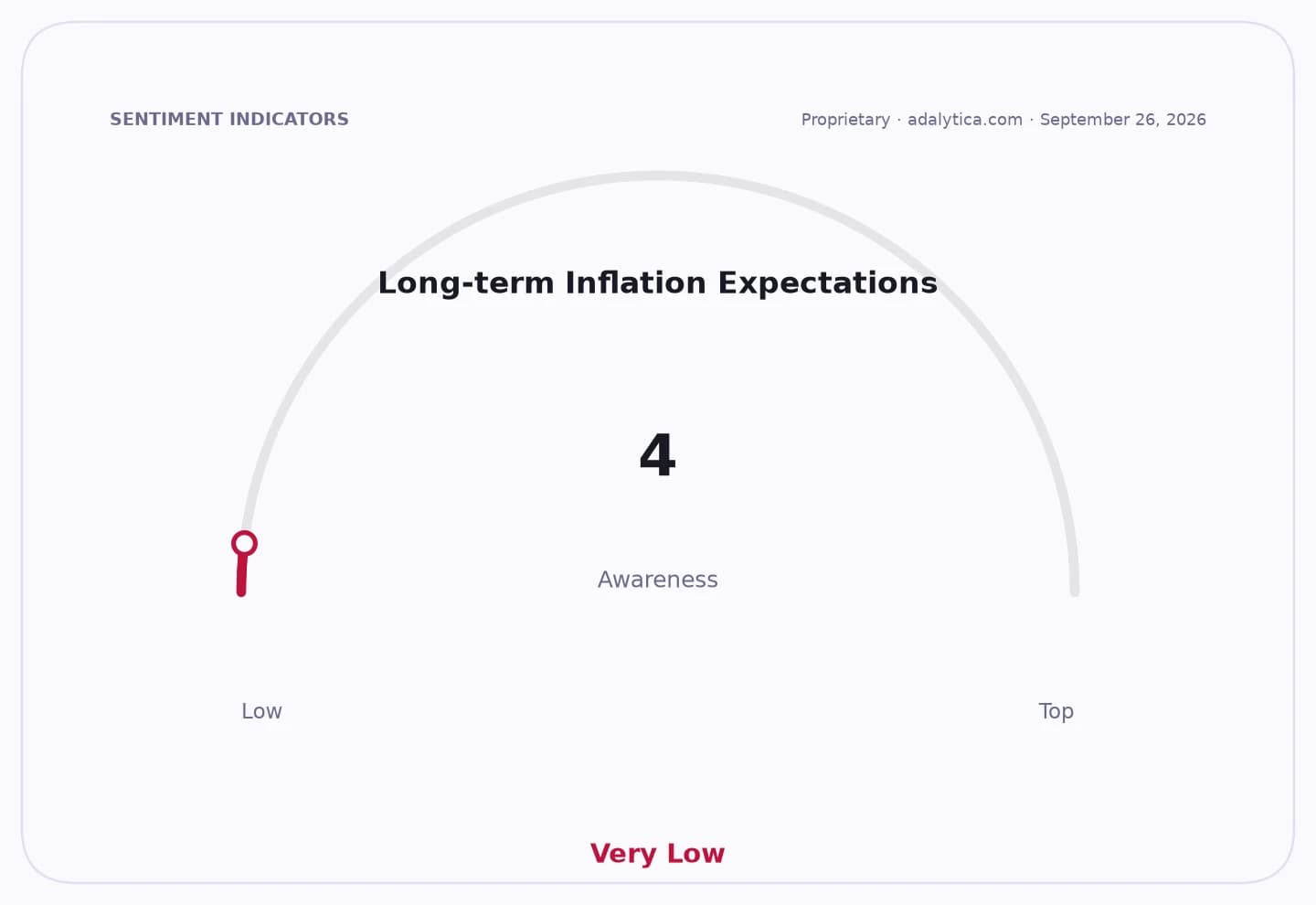
Adalytica’s proprietary gauges on inflation expectations also point to firmer pricing pressure, with confidence in the Federal Reserve’s 2% target and longer-term inflation expectations both at extreme readings, a reminder that investors remain sensitive to any sign of sticky inflation. Canada’s next CPI release will be closely watched for confirmation that July’s gas-driven pickup is temporary or the start of a broader reacceleration.
| Entity | Gains | Losses |
|---|---|---|
| Oil producers | ▲Higher fuel prices | ▼Consumers at the pump |
| Bank of Canada | ▲Clearer inflation signal | ▼Rate-cut expectations |
| Bond yields | ▲Support from sticky inflation | ▼Duration-heavy investors |
| Canadian households | ▲— | ▼Purchasing power |