Canada’s mortgage market could get a major clean-up if Ottawa finally gives lenders a direct way to verify tax and income documents against Canada Revenue Agency records, a move bankers and mortgage professionals say could shut down a fraud channel that has widened as digital fake documents become harder to spot.
Canada mortgage fraud verification tool debate

That matters because mortgage fraud is no longer a nuisance at the margins. The industry says fabricated CRA-style documents are now widespread, allowing borrowers to qualify for loans far larger than their real incomes should support. In a market already strained by high home prices and stretched affordability, that distorts underwriting, expands credit to weaker borrowers and leaves banks carrying a risk that only becomes obvious when property values fall or borrowers stop paying.
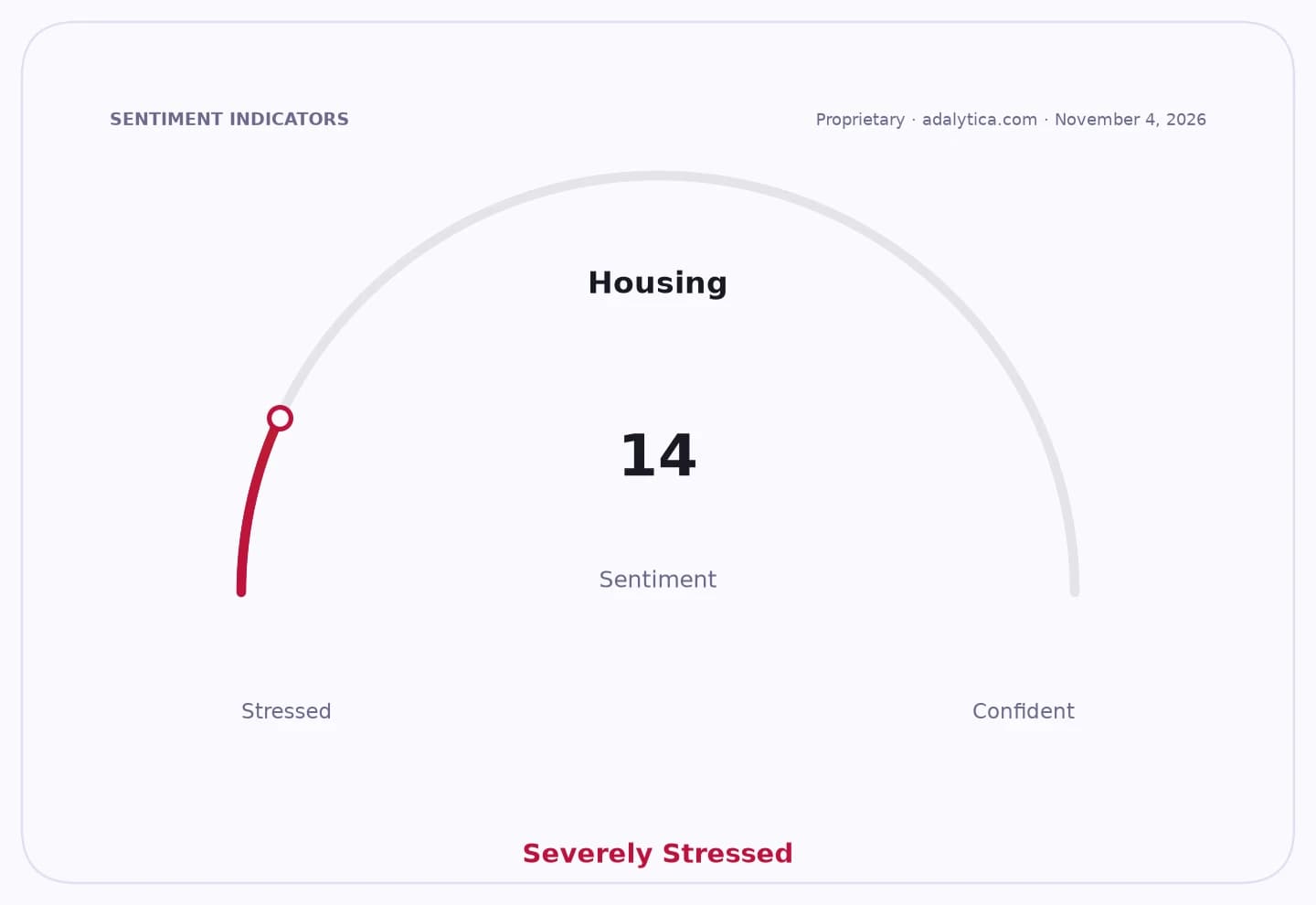
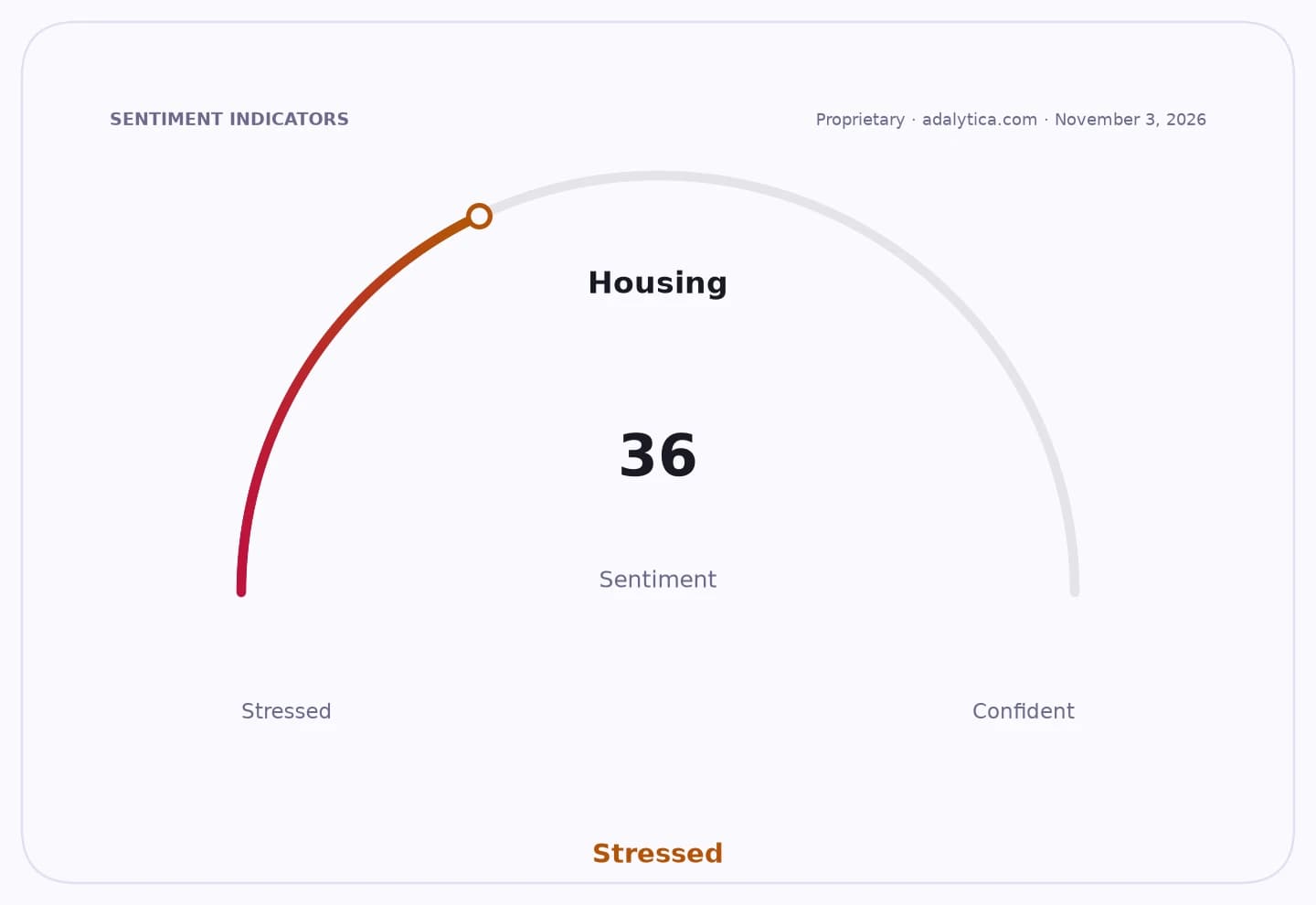
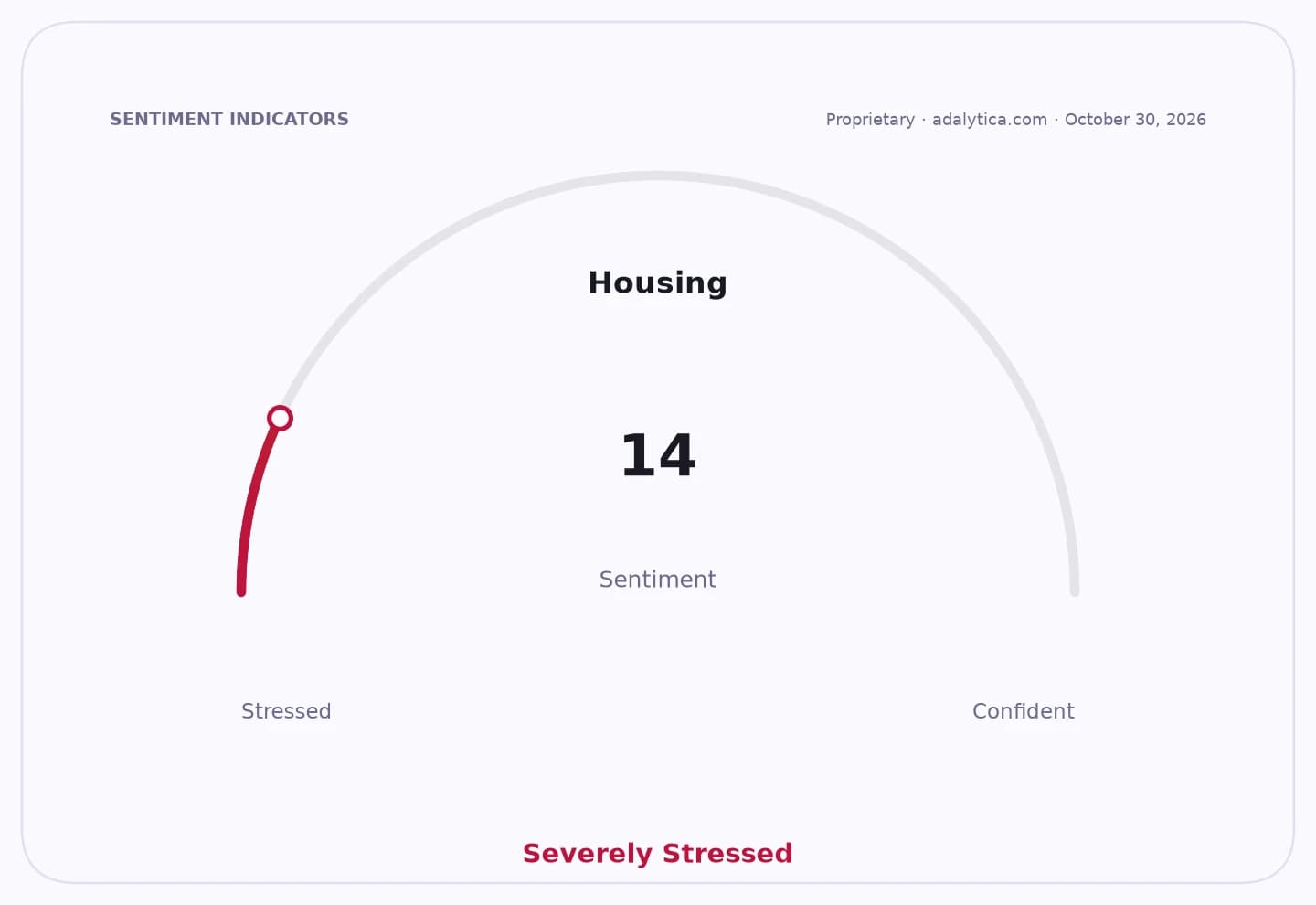
Sentiment Indicators
The economic case for action is straightforward. Fraudulent income verification inflates demand for housing by letting buyers borrow beyond their means, which can push prices higher in the short term and deepen losses in a downturn. It also weakens confidence in mortgage credit quality, a point investors in lenders, insurers and mortgage financiers cannot ignore. When underwriting standards are bypassed at scale, the eventual cost shows up in defaults, repurchases, tighter lending and heavier compliance spending.
That is why the debate has moved beyond consumer protection and into market stability. Lenders have reportedly offered to pay the CRA to build the verification tool, suggesting the industry sees the cost of inaction as greater than the expense of the system itself. The U.S. and Britain already use similar confirmation mechanisms, and supporters argue Canada has no technical excuse left to delay.
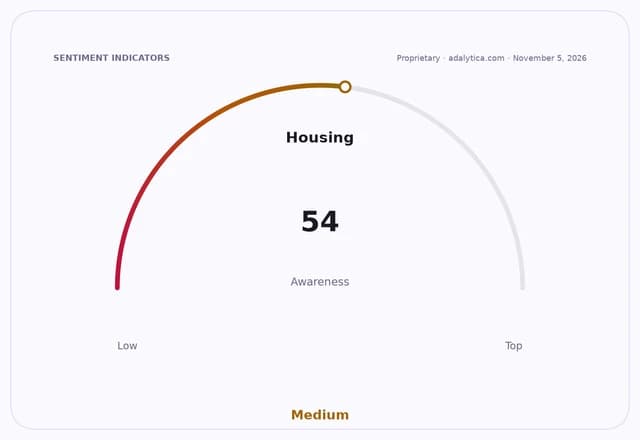
For investors, the implication is two-sided. A stronger verification regime would likely benefit lenders and mortgage insurers over time by reducing fraud losses and improving loan quality. But it could also cool housing demand at the margin, especially among marginal borrowers who have relied on inflated income claims to secure financing. That would be a headwind for originators and some housing-linked assets that have benefited from loose verification.
The timing matters. Canada’s housing market is still vulnerable to any shock in financing conditions, and a crackdown on document fraud would act like an underwriting tightening even if official rates do not move. If Ottawa acts, the immediate winners are prudent lenders and insurers; the losers are fraud enablers, stretched borrowers and the parts of the housing market propped up by false affordability.
| Entity | Gains | Losses |
|---|---|---|
| Banks and lenders | ▲Better loan quality | ▼Less fee-driven volume |
| Mortgage insurers | ▲Lower fraud losses | ▼Tighter originations |
| Honest borrowers | ▲Fairer access | ▼Little direct benefit |
| Fraudulent borrowers and brokers | ▲Stricter scrutiny | ▼Easier loopholes closed |