Capcom is taking its flagship RE Engine beyond graphics and gameplay and turning it into an AI-assisted development platform, a move that could help the Japanese publisher make games faster, cheaper and with fewer production bottlenecks.
Capcom RE Engine AI development platform
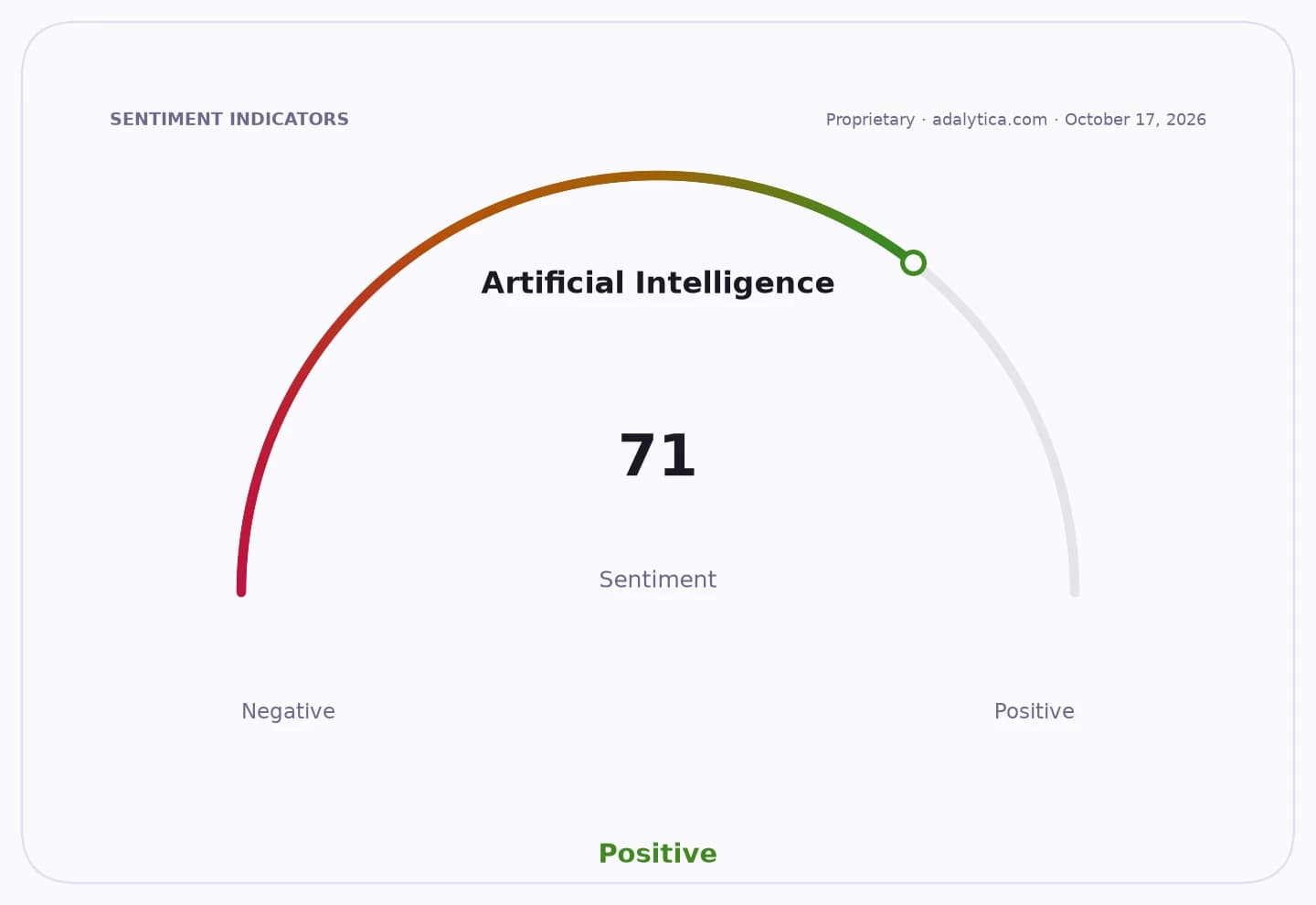
Artificial Intelligence
That matters because the biggest cost pressure in gaming is no longer just making hit titles — it is keeping up with the rising expense of building them. If Capcom can use AI to speed up quality assurance, performance tuning and other repetitive tasks without putting AI-generated content into the finished game, it may protect margins while preserving the handcrafted feel that players expect from franchises such as Resident Evil, Street Fighter and Monster Hunter.
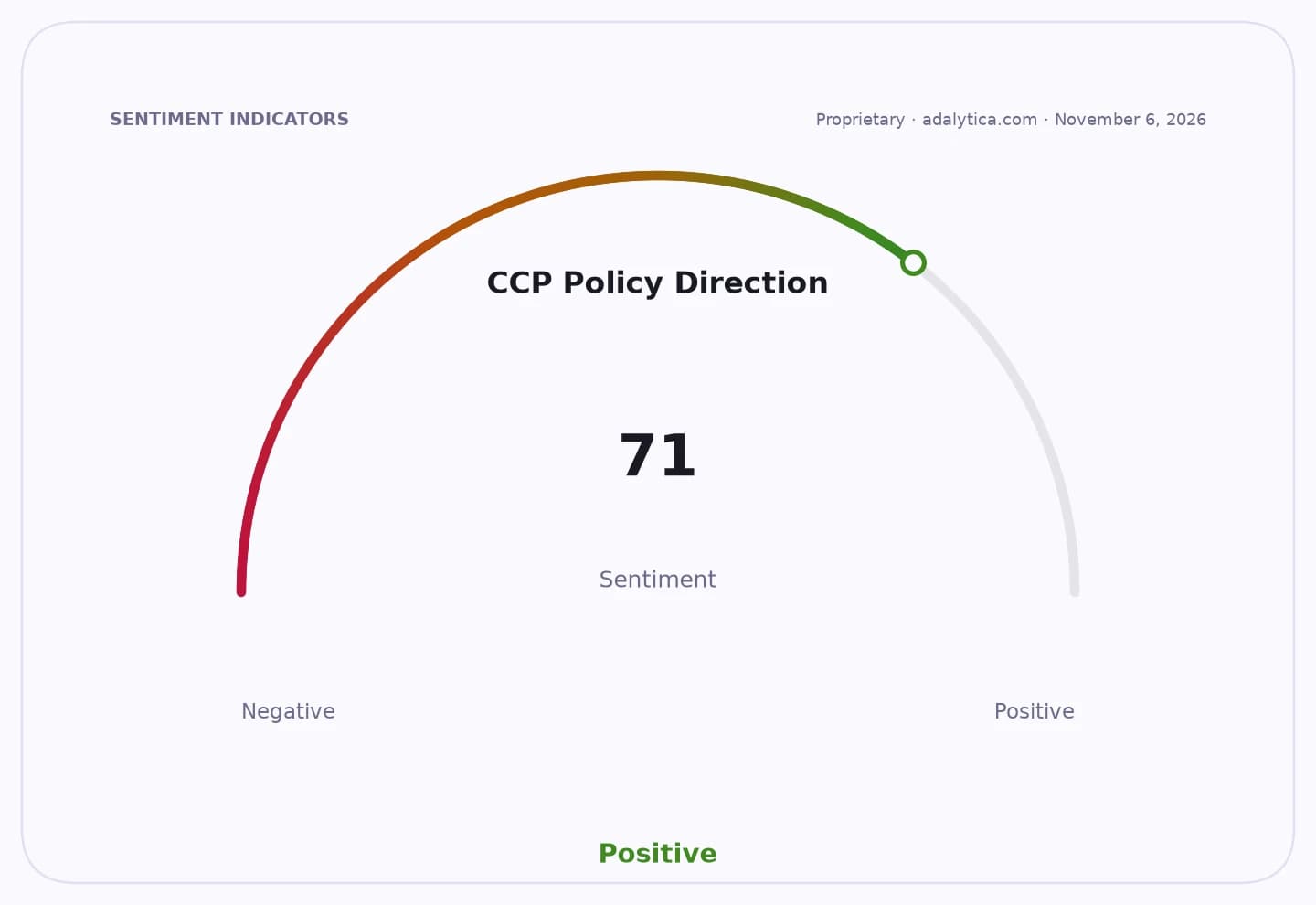
Sentiment Indicators
The company outlined the plan at its Open Conference RE:2026, where programmer Satoshi Ishida described a project called REX that would upgrade the RE Engine into an “AI-generation game engine.” Capcom said the system is aimed mostly at development work rather than front-facing content, and that it wants to “create games together with AI” by streamlining labor-intensive parts of production.
For investors, that is the important distinction. Capcom is not pitching AI as a gimmick bolted onto a game to chase a trend. It is trying to use AI as a manufacturing tool inside a successful software pipeline. That can be far more valuable over time, because efficiency gains compound across every release. A better engine can shorten timelines, reduce bugs, and free developers to spend more time on the creative work that actually drives sales.
The timing also fits a broader industry shift. Game studios are under growing scrutiny for AI-generated art, voices and other assets, and publishers have had to navigate disclosure rules and worker backlash. Capcom appears to be taking a more cautious route by focusing on tools for developers rather than replacing artists or writers in the final product. That approach may lower reputational risk while still capturing some of the productivity gains AI promises.
Capcom has earned the right to experiment. Resident Evil Requiem became the fastest-selling game in the franchise this year, and Pragmata sold more than 2 million copies in just 16 days after launch. Those are the kinds of hits that can fund a deeper technology stack and give the company room to invest in long-term infrastructure. In other words, the AI push is not a desperate bet from a struggling publisher — it is an expansion move from a company with momentum.
The stock has also been volatile, with Capcom’s Tokyo-listed shares rebounding from earlier weakness and trading well above the 50-day and 200-day moving averages in recent sessions, though the swings show investors are still weighing execution risk. Sony, which remains one of the industry’s major platform holders and content owners, sits in a more mixed technical position by comparison. That backdrop suggests the market is still sorting out who will benefit most from AI adoption in gaming: the publishers that can actually use it to improve output, or the firms that simply talk about it.
The long-term question is whether REX becomes a true productivity advantage or just another internal initiative with a catchy name. If Capcom can use AI to ship games faster without diluting quality, it strengthens a moat that already includes beloved intellectual property and a disciplined release strategy. For investors who think in years, not quarters, that is the kind of operational upgrade worth watching closely — and potentially holding for the long haul.
| Entity | Gains | Losses |
|---|---|---|
| Capcom | ▲Faster development; better margins | ▼Higher execution risk |
| Game developers | ▲Productivity tools | ▼Fewer manual tasks |
| Artists/QA teams | ▲Better support tools | ▼Some workflow pressure |
| Players who value quality | ▲More polished releases | ▼Risk of over-automation |