Catalonia is heading into a labor squeeze as an aging workforce is set to push about 825,600 people out of the job market over the next 10 to 15 years, a shift that could deepen hiring shortages, pressure wages and weigh on productivity if employers and policymakers do not move fast.
Catalonia Labor Squeeze as Retirements Rise
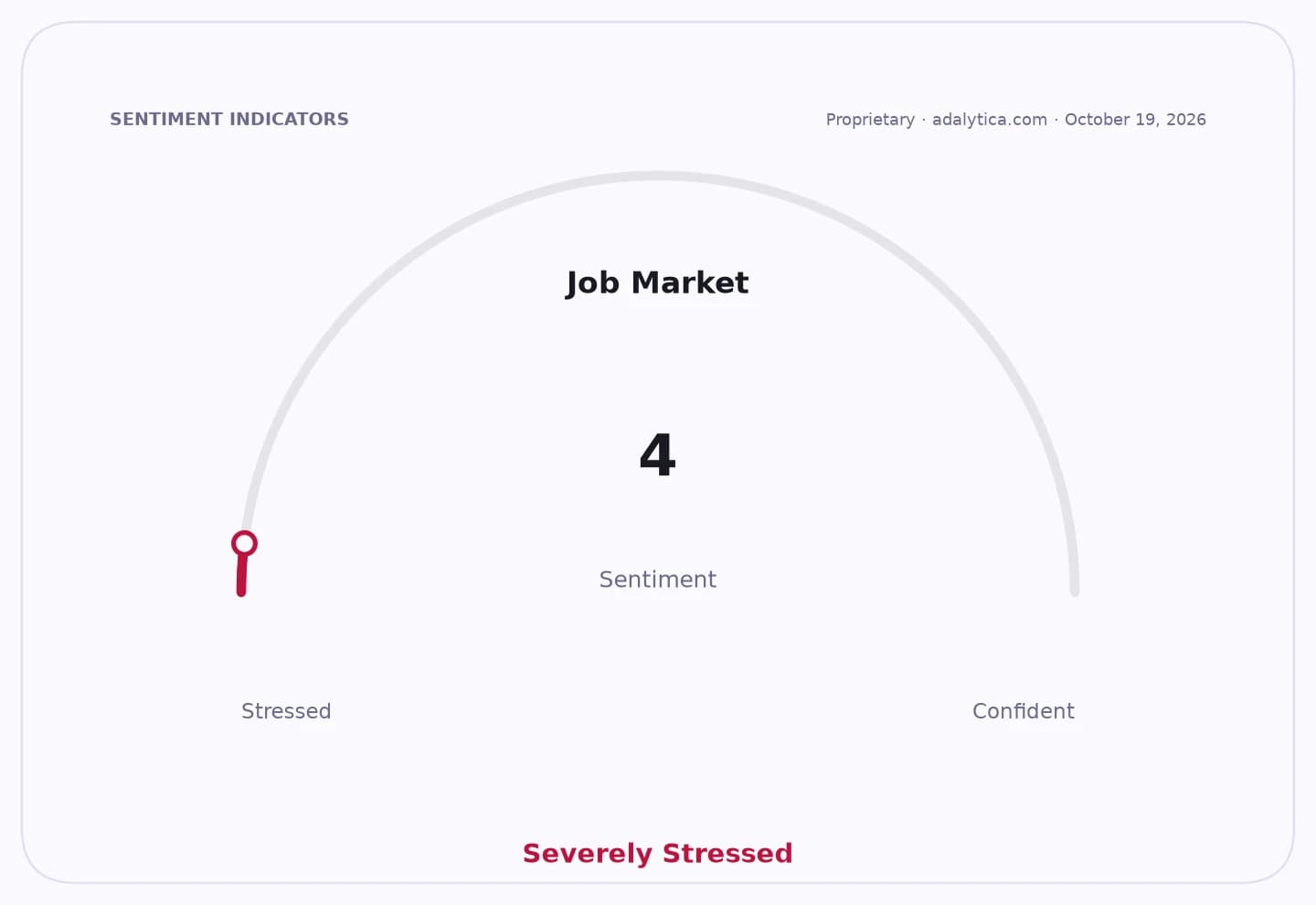
The core problem is replacement, not just unemployment. The Generalitat’s labour observatory says one in five employed people in Catalonia is already 55 or older, while the region’s labour replacement index stands at 108.5, meaning the pool of workers nearing retirement age is larger than the cohort coming in behind them.
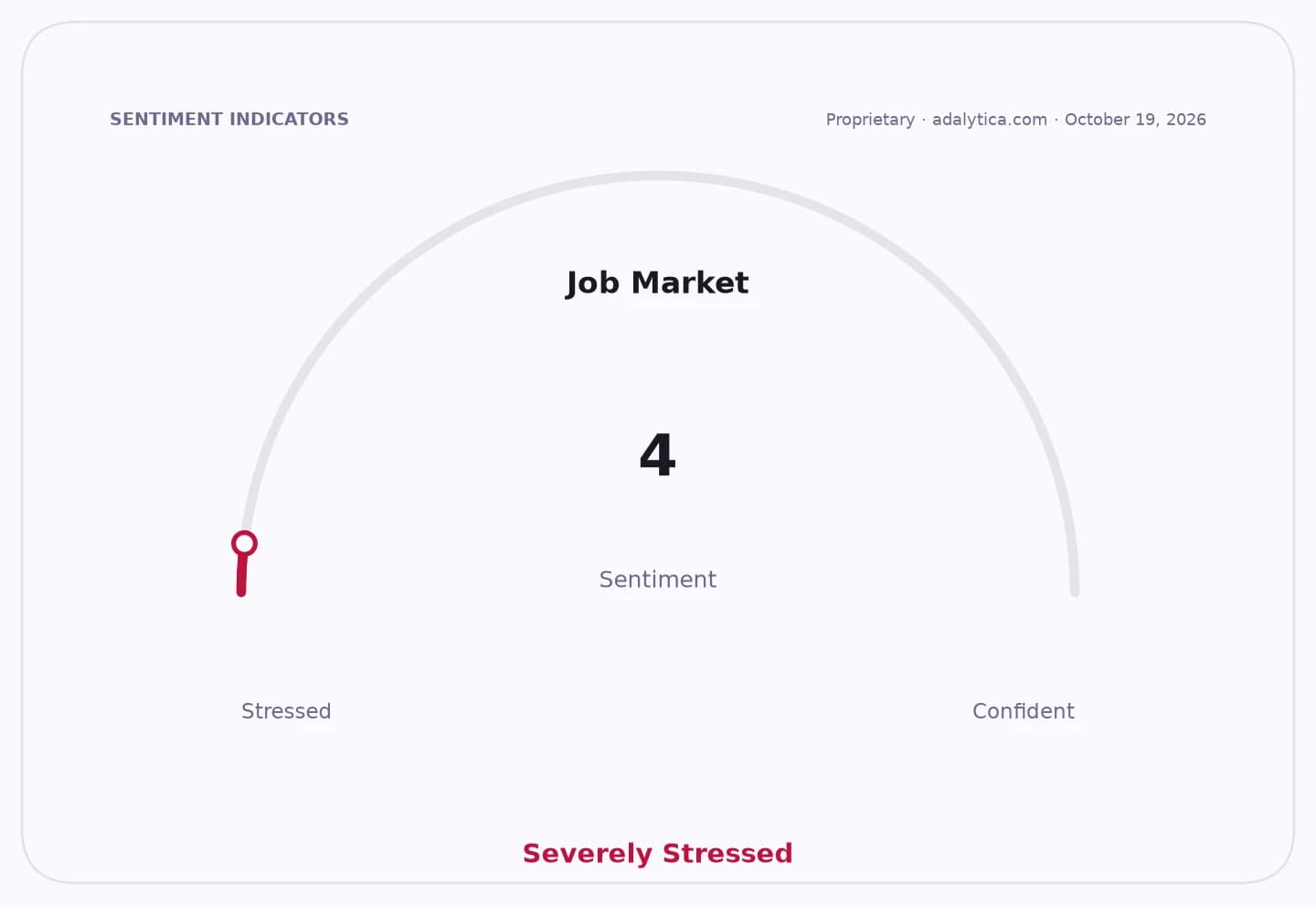
Sentiment IndicatorsⓘProprietary · adalytica.com · October 19, 2026
This is a snapshot — live sentiment, awareness and momentum for 130+ markets update continuously in the dashboard.Open AlphaPulse
That imbalance matters because the coming vacancies will be driven largely by retirements rather than growth. CEDEFOP, the European Union’s vocational training agency, estimates most job openings through 2035 will stem from replacement demand, a sign that aging populations across Europe are reshaping labor markets even before cyclical weakness enters the picture.
For companies, the impact is likely to be uneven but broad. Manufacturing and retail will account for the biggest number of retirements in absolute terms because they employ large workforces, but the fiercest generational strain may hit agriculture, public administration, real estate, parts of construction and industry, domestic work and social services, where older employees already make up a far larger share than average.
The pressure is also concentrated in specific occupations, including skilled agricultural, livestock and fishing workers, shop owners, library and postal workers, and administrative support professionals. That concentration raises the risk of labor bottlenecks in services and essential local industries where replacement is already difficult.
Employers say the issue is not yet at the top of the HR agenda. Jesús M. García, content director at Aedipe Catalunya, said companies are still focused on finding scarce specialized profiles, while the larger retirement wave is building in the background. He warned that firms risk losing knowledge and experience unless they plan succession earlier and strengthen transfer between generations.
That challenge is becoming more acute as work itself changes. García said artificial intelligence is already replacing some junior roles while extending the usefulness of more experienced workers, but its rapid evolution makes workforce planning harder. For investors, that means aging labor markets are not just a social issue: they can affect operating costs, labor availability, margins and the pace at which companies can execute growth plans.
The bigger message for Catalonia is that labor supply will depend not only on how many workers retire, but on whether more people can stay employed longer in good conditions. The observatory’s findings point to job quality, physical demands, job security and social support as key factors shaping how long people remain in the workforce.
| Entity | Gains | Losses |
|---|---|---|
| Employers that plan succession early | ▲smoother knowledge transfer | ▼hiring shocks |
| Older workers with adaptable roles | ▲longer careers | ▼premature exit from labor force |
| Labor unions and training providers | ▲leverage for upskilling | ▼if shortages worsen |
| Sectors with high retirement exposure | ▲potential modernization push | ▼staffing gaps and higher costs |