Wheat futures on the Chicago Board of Trade fell sharply after Russia said there is a chance of reaching a deal to end the war in Ukraine, raising expectations that Black Sea grain exports could normalize and add supply back to global markets.
CBOT Wheat Falls on Russia Ukraine Peace Deal Talk
December CBOT wheat settled down 20.25 cents, or 2.68%, at $7.3400 a bushel, the steepest loss among the major grain contracts. Corn for December delivery slipped 4 cents to $5.3675 a bushel and November soybeans eased 6.5 cents to $13.0975 a bushel.
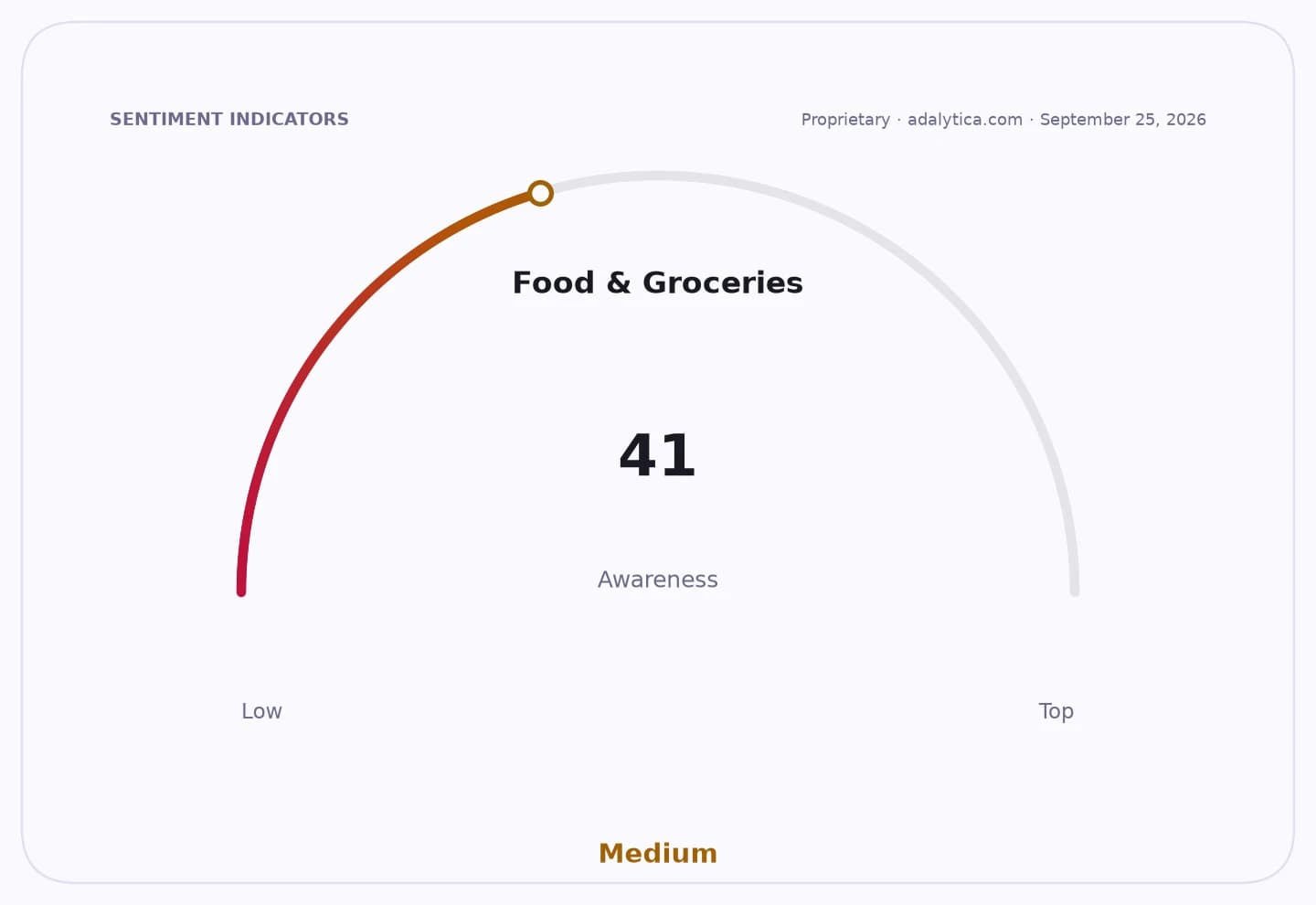
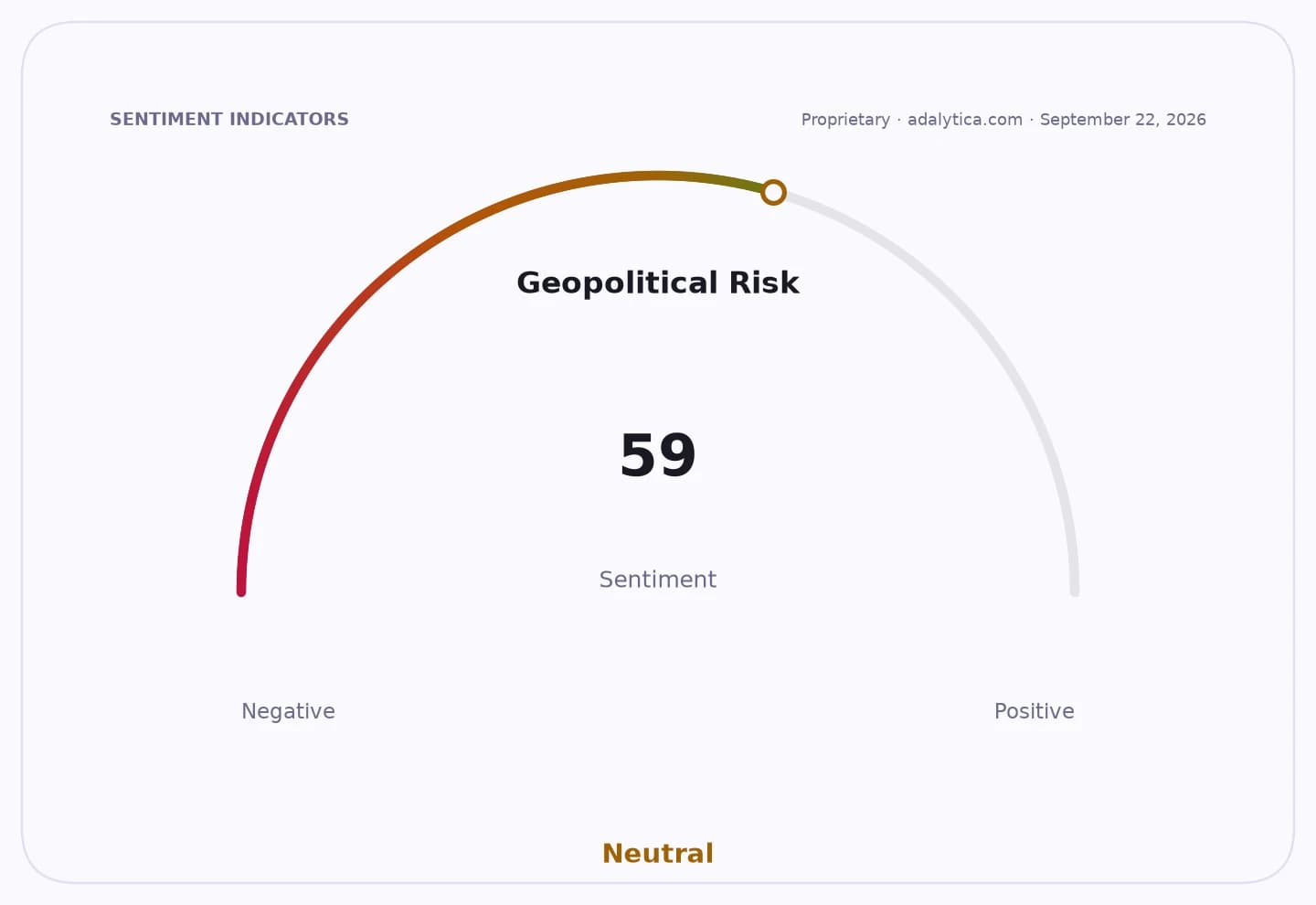
Sentiment IndicatorsⓘProprietary · adalytica.com · September 7, 2026
This is a snapshot — live sentiment, awareness and momentum for 130+ markets update continuously in the dashboard.Open AlphaPulse
The move reflects how closely grain markets remain tied to the war that has disrupted shipments from one of the world’s most important export corridors. Russia and Ukraine are both major wheat suppliers, and any path toward a political settlement could reduce the risk premium embedded in prices, even if a ceasefire remains distant.
Russian President Vladimir Putin said on Thursday there was a chance of an agreement and that countries including the U.S. and China were ready to back a peace deal. Yuri Ushakov, a Kremlin aide, later said Putin met U.S. envoys Steve Witkoff and Jared Kushner in Moscow for more than three hours and described the talks as serious, constructive and candid.
Analysts at Total Farm Marketing said the rhetoric signaled a possible thaw in one of the biggest geopolitical threats to global grain trade. SovEcon also said the war has weighed on Black Sea exports and pushed Russia’s wheat shipments for the 2026 marketing year well below the same period last year.
Investors are watching because lower wheat prices can ease inflation pressure in food markets, but they also hit grain producers and exporters that had benefited from war-related supply disruption. Broader commodity pricing is also being shaped by U.S. monetary policy, after a stronger-than-expected August payrolls report lifted the odds of a Federal Reserve rate increase this month to 58.4% from 49.4% before the data.
CBOT trading was set to pause Monday for the Labor Day holiday, leaving the market to reopen with traders still focused on whether the Moscow talks translate into any concrete change in Black Sea flows.
| Entity | Gains | Losses |
|---|---|---|
| Global grain buyers | ▲Lower wheat costs | ▼Less upside from tight supply |
| Wheat importers | ▲Potentially cheaper imports | ▼Less leverage on shortages |
| Black Sea exporters | ▲Possible trade normalization | ▼War premium fades |
| Wheat bulls | ▲Peace-talk risk premium | ▼Long positions unwind |