The cedi’s renewed slide in the second half of 2026 is a reminder that Ghana’s currency still lives and dies by hard currency inflows, not headlines.
Cedi Weakness Pressures Ghana's Inflation and Markets
That matters because a weaker cedi feeds directly into inflation, import costs and the government’s debt-service burden, making it harder for policymakers to keep price growth contained and for households to protect purchasing power. In a country that relies heavily on imported fuel, food, machinery and industrial inputs, every step lower in the currency can show up quickly in transport fares, power costs and company margins.
The latest move comes as global funding conditions remain less forgiving than they were in the easy-money years. The U.S. 10-year Treasury yield has held around 4.5%, keeping dollar assets attractive and limiting the appetite for riskier frontier-market currencies. At the same time, high-yield credit spreads near 2.7 percentage points suggest investors are not seeing a broad stress event, but they are still demanding discipline and carry to take emerging-market risk. For Ghana, that means external financing is available only if confidence in reserves, fiscal execution and policy consistency is steady.
For investors, the cedi’s 8.7% depreciation is not just a currency story. It is a read-through on Ghanaian equities, local bonds and any business exposed to imported costs or foreign-currency debt. Banks, retailers, manufacturers and utilities can all feel the pressure when the exchange rate moves against them, while exporters, gold-linked businesses and firms with dollar revenues tend to be better insulated. If the currency weakness persists, the market will likely reward companies with pricing power, strong balance sheets and natural foreign-exchange hedges, and punish those that depend on stable import bills and cheap refinancing.
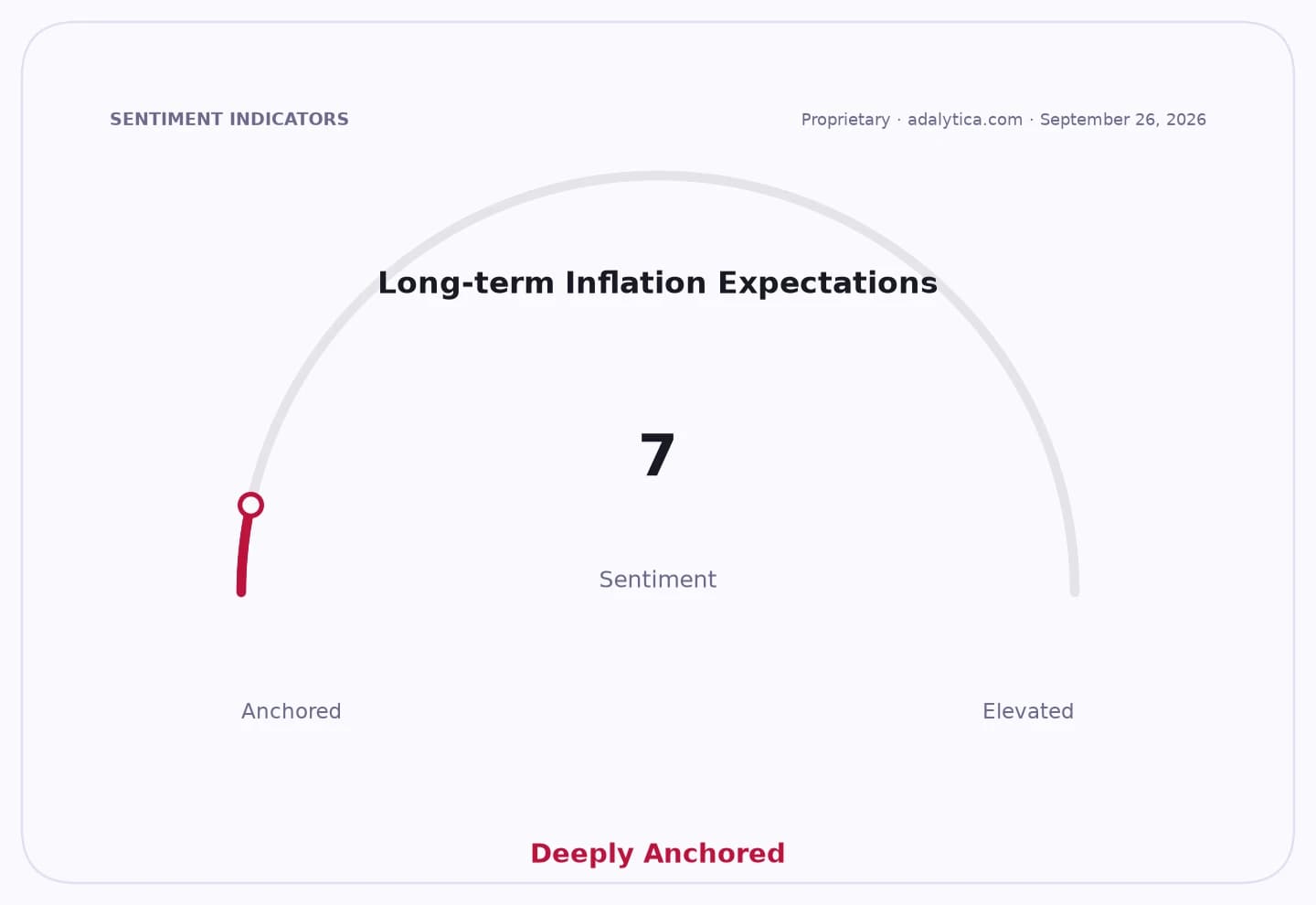
The bigger narrative is that Ghana is still fighting the classic frontier-market battle: restoring confidence enough to stabilize the currency, while avoiding the growth damage that comes from tight policy and expensive capital. If officials can keep inflation expectations anchored, rebuild reserves and support trade flows, the cedi can regain some footing. If not, investors should expect more volatility, higher local borrowing costs and another round of earnings pressure for domestically focused companies. For long-term investors, this is a reminder to favor quality, diversification and patience over trying to catch every move in the currency.
| Entity | Gains | Losses |
|---|---|---|
| Exporters with dollar revenues | ▲FX windfall | ▼None |
| Import-dependent companies | ▲None | ▼Higher input costs |
| Ghanaian consumers | ▲None | ▼Lower purchasing power |
| Local bondholders and borrowers | ▲None | ▼Higher real repayment burden |