US derivatives exchanges and clearinghouses got a regulatory break that could make it cheaper and easier to hold Bitcoin on their balance sheets, though the policy stop short of a formal rule change and still leaves firms on the hook for liquid cash reserves.
CFTC Lets Crypto Count Toward Reserve Requirements

CFTC staff said CFTC-regulated exchanges, swap venues and clearinghouses can count Bitcoin, Ether and qualifying payment stablecoins toward their financial resource requirements, which are meant to cover at least 12 months of operating costs on a rolling basis. The guidance matters because it gives crypto-native trading venues more flexibility in how they meet a core prudential standard, potentially lowering the amount of cash they must immobilize and making it simpler to manage reserve requirements in a market where digital assets are now part of the business model.
Sentiment Indicators

The staff memo applies haircuts to the crypto assets to reflect volatility: at least 20% for Bitcoin and Ether and 2% for payment stablecoins. That means the assets will not be counted at full face value, but they can still relieve pressure on balance sheets. Exchanges and clearinghouses will still need to satisfy a separate liquidity requirement with cash or highly liquid securities, limiting the practical scope of the relief.
For market participants, the immediate beneficiaries are CFTC-regulated venues such as Coinbase Derivatives, Crypto.com’s North American Derivatives Exchange and Bitnomial Exchange, along with prediction markets Kalshi and Polymarket US. The shift could support more efficient capital deployment and may bolster the economics of operating crypto derivatives and event-contract platforms, especially after a period in which Bitcoin’s price has been under strain and liquidity conditions have tightened.
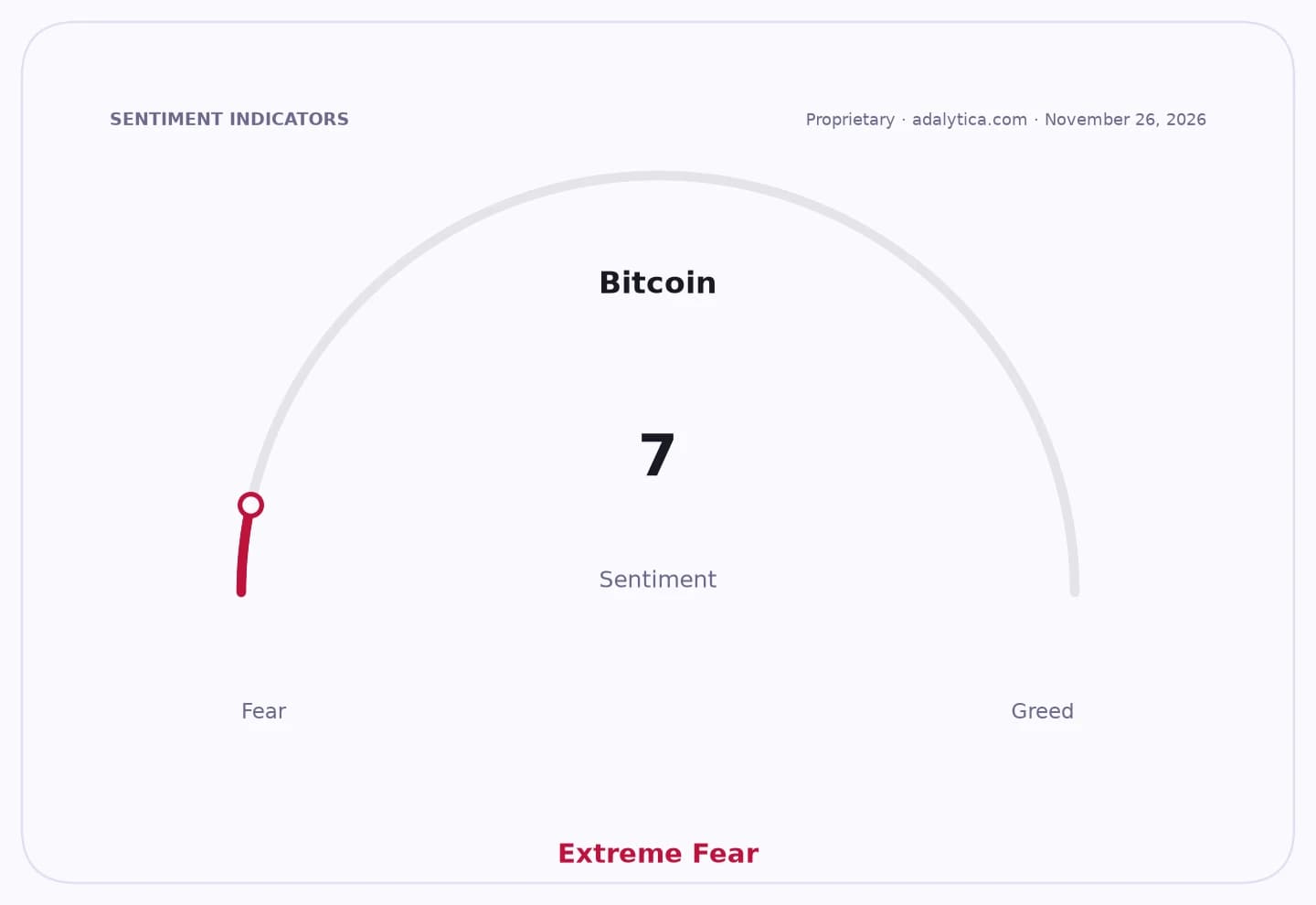
The timing is notable. Bitcoin was trading around $61,408 on Friday, far below its recent highs and still well under the 50-day moving average, while Adalytica’s Bitcoin Fear & Greed Index showed sentiment at 19, or “Fear.” That backdrop means the staff decision is arriving when the market is already sensitive to volatility and risk management, not in a euphoric rally. For some investors, the guidance may be read as another step in the gradual institutionalization of crypto market plumbing. For others, the fact that it is only staff guidance — not a commission-approved rule — means the relief could be narrower and less durable than a formal regulatory overhaul.
The broader implication is that Washington is edging toward treating crypto assets as usable operating resources rather than merely speculative holdings, at least for the firms that directly clear and trade them. If that stance hardens into formal rulemaking, it could improve the competitive position of regulated US venues against offshore or less regulated rivals. If not, the change may prove more symbolic than transformative, especially if Bitcoin’s volatility remains high and risk controls continue to force firms back toward cash and Treasuries.
| Entity | Gains | Losses |
|---|---|---|
| CFTC-regulated exchanges | ▲More reserve flexibility | ▼Less cash tied up |
| Bitcoin, Ether, stablecoins | ▲Regulatory legitimacy | ▼Full-value reserve treatment denied |
| Coinbase Derivatives, Crypto.com, Bitnomial | ▲Lower operating friction | ▼Continued liquidity constraints |
| Cash-heavy rivals | ▲Less direct benefit | ▼Relative efficiency edge narrows |