Residents of Chelyabinsk are still spending a hefty share of income on rent, but the bigger story for investors and households is that the squeeze is easing as wages rise faster than apartment prices.
Chelyabinsk Rent Share Falls as Wages Rise
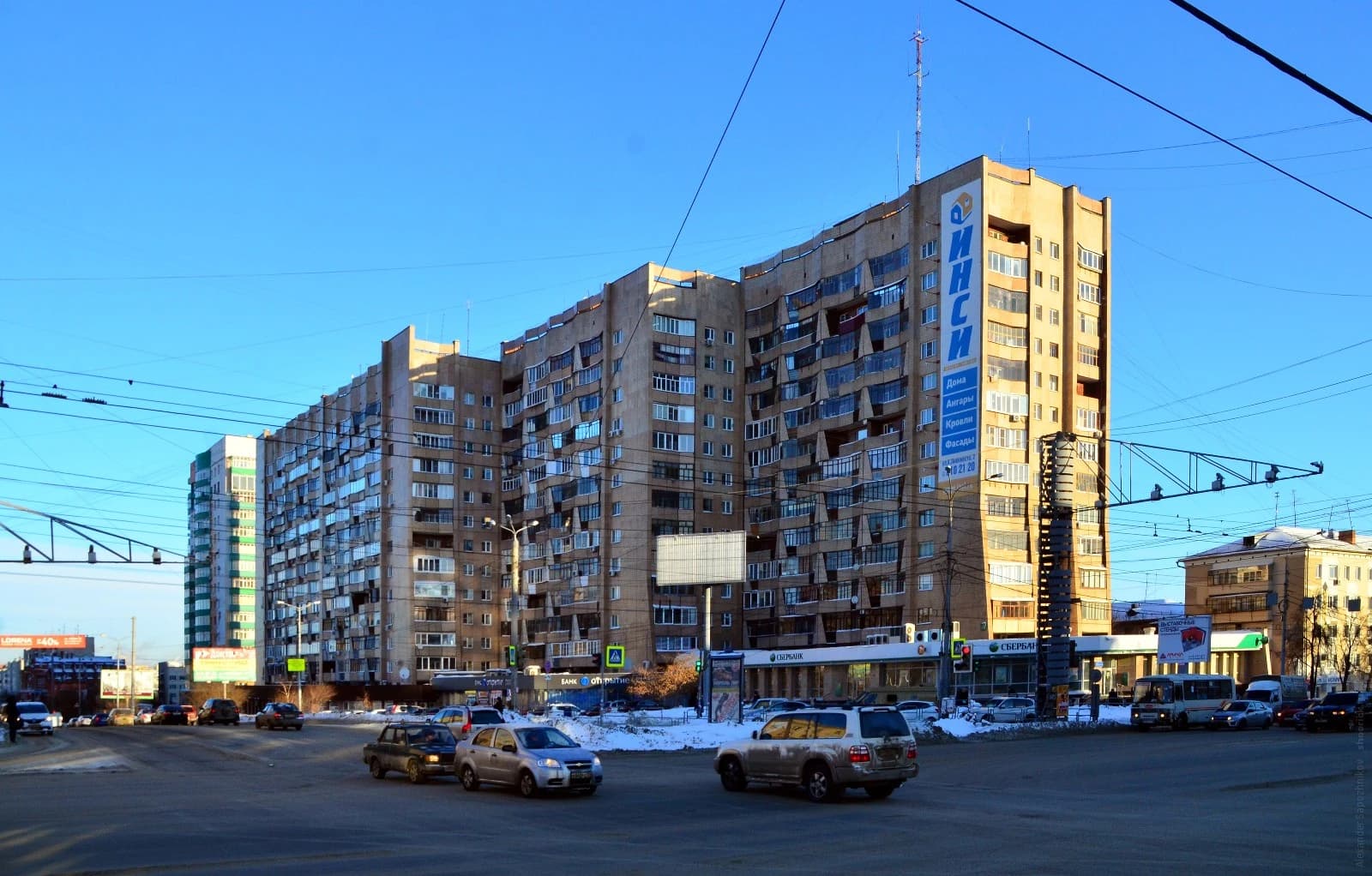
In September 2026, a one-room apartment in the industrial city absorbed about 30% of the average monthly salary, while a two-room unit took 40%, according to Cian analysts. That is still a meaningful burden, especially in a city where housing costs matter to day-to-day consumer spending, but it is down 3 to 4 percentage points from a year earlier.
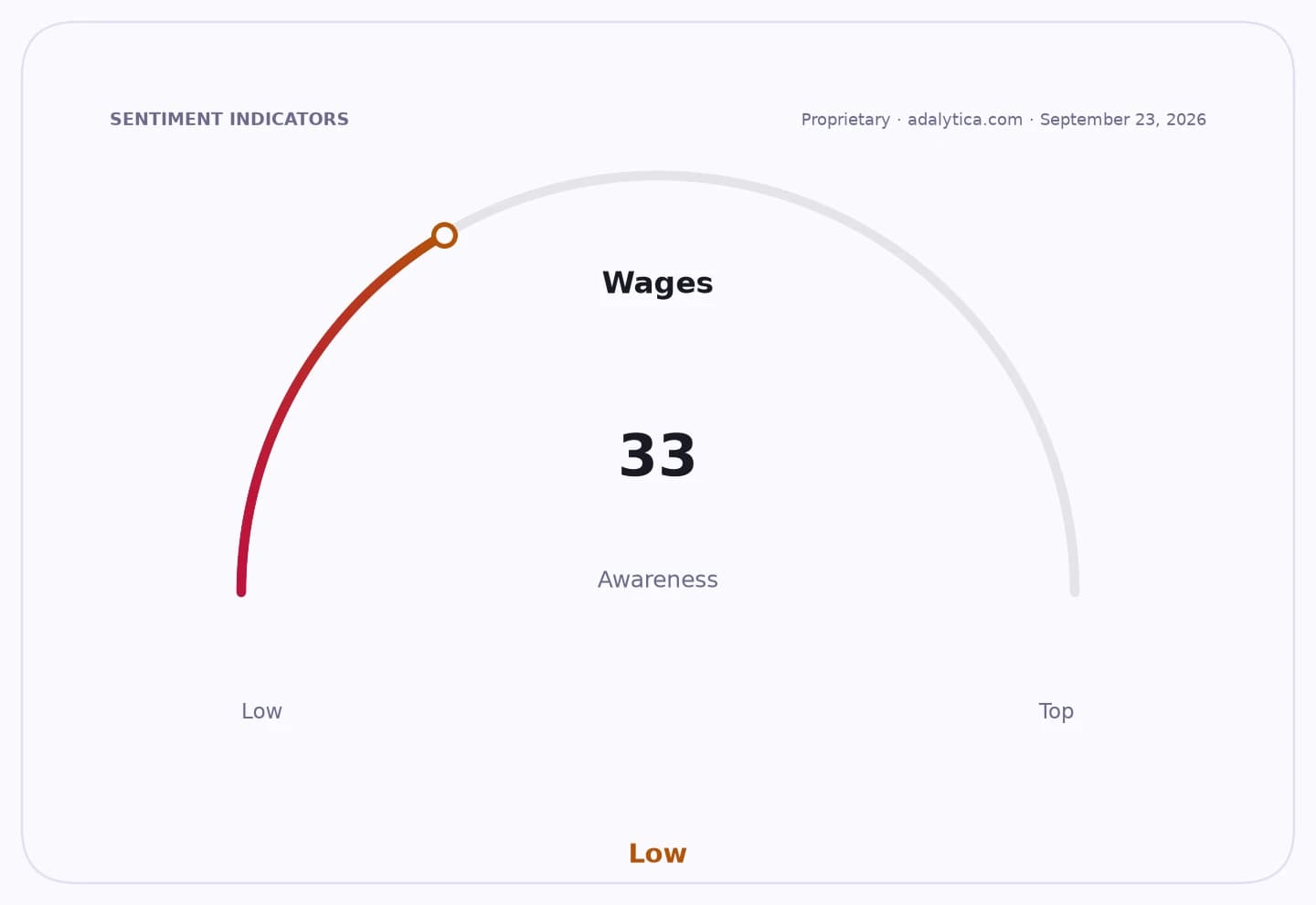
Sentiment IndicatorsⓘProprietary · adalytica.com · September 18, 2026
This is a snapshot — live sentiment, awareness and momentum for 130+ markets update continuously in the dashboard.Open AlphaPulse
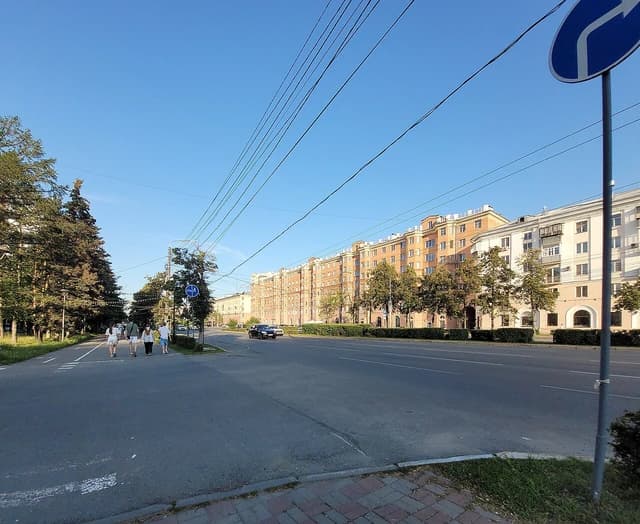
The improvement matters because housing is one of the biggest line items in household budgets. When rent claims less of pay, families have more room for discretionary spending, debt service and savings. That can support local consumption, which in turn is important for regional businesses and for the broader Russian economy at a time when affordability remains a live political and social issue.
Chelyabinsk also looks relatively cheap by the standards of Russia’s largest cities. Across the country, tenants spend about 32% of income on a one-room apartment and 44% on a two-room flat, down from 37% and 51% a year earlier. The least strained renters are in cities such as Novokuznetsk, Penza, Tolyatti, Luhansk and Kazan, while Moscow, St. Petersburg and Sochi remain the most expensive markets.
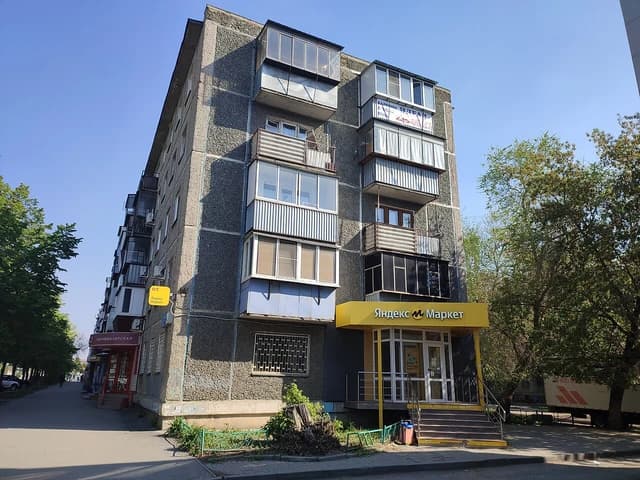
For investors, the key takeaway is that the rental market is not moving in one direction. A lower rent-to-wage ratio usually means either incomes are growing, rents are cooling, or both. That is good news for tenants, but it can cap pricing power for landlords if wage gains outpace rent increases. In other words, affordability is improving not because rent is cheap, but because incomes are catching up.
That dynamic is worth watching for apartment owners, local developers and companies tied to residential property because it can reshape demand over time. If households feel less squeezed, they are better able to absorb rent increases later; if not, landlords may face limits on how far they can push pricing. For long-term investors, the story is less about a single month’s affordability reading and more about whether Russia’s regional housing markets can keep balancing wage growth, supply and tenant demand. Chelyabinsk’s numbers suggest that balance is improving, and that is worth keeping on the watchlist.
| Entity | Gains | Losses |
|---|---|---|
| Chelyabinsk renters | ▲Lower housing burden | ▼Still high rent share |
| Households and retailers | ▲More disposable income | ▼— |
| Landlords and apartment owners | ▲Steady tenant demand | ▼Weaker pricing power |
| Moscow/St. Petersburg landlords | ▲High-rent markets | ▼Chelyabinsk-style affordability gains elsewhere |