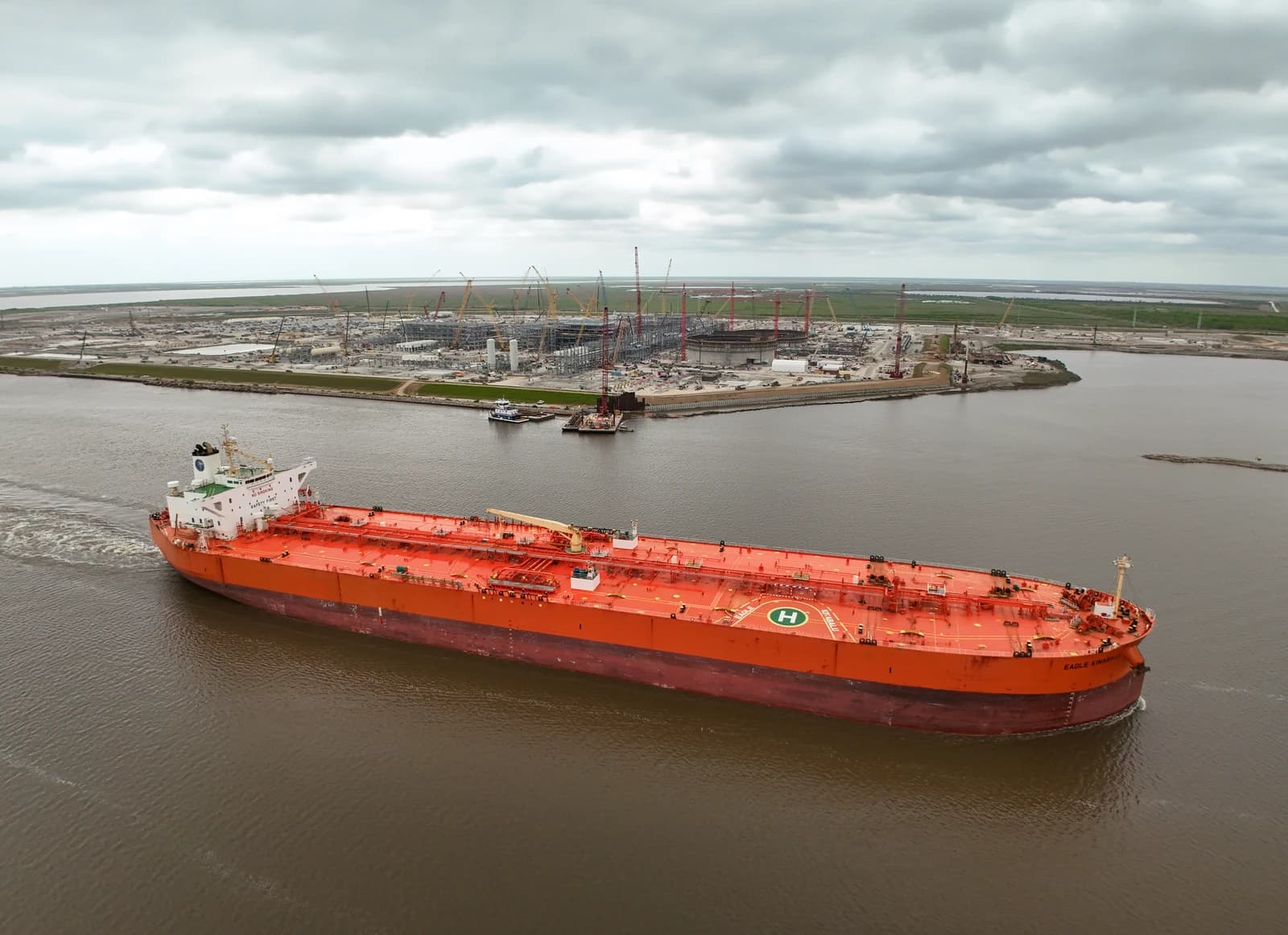
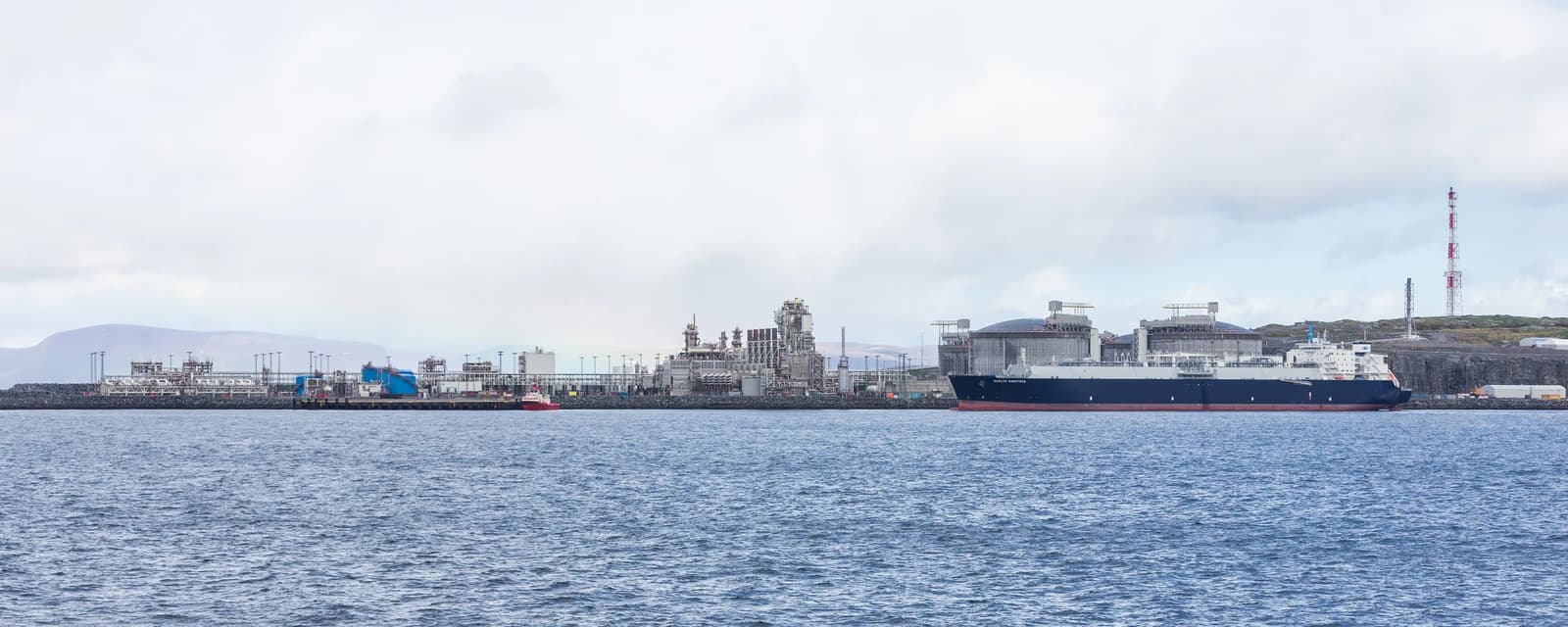
Cheniere Energy’s confirmation of maintenance work at its Corpus Christi LNG site puts a fresh spotlight on one of the market’s most important chokepoints: how reliably U.S. liquefied natural gas capacity can keep feeding global demand while domestic gas balances remain tight.
Cheniere Corpus Christi LNG maintenance
That matters because LNG plants are not just corporate assets; they are pressure valves for the U.S. gas market and a critical source of fuel for allies and import-dependent economies. Any maintenance outage, even a planned one, can ripple through export volumes, domestic feedgas demand and price expectations for natural gas and LNG-linked shipping and trading desks.
Sentiment IndicatorsⓘProprietary · adalytica.com · August 24, 2026
This is a snapshot — live sentiment, awareness and momentum for 130+ markets update continuously in the dashboard.Open AlphaPulse
Cheniere is the country’s premier LNG exporter, and Corpus Christi is a key part of that export machine. When maintenance is in focus, traders immediately start recalculating throughput, cargo timing and near-term export availability. For investors, that means the story is less about a one-off plant event and more about the durability of cash flow in a sector where volumes, margins and utilization can move quickly with operational disruptions.
The market backdrop only heightens the stakes. U.S. natural gas has been in demand, and technical momentum in Cheniere’s shares has been strong, with the stock recently trading well above both its 50-day and 200-day moving averages. Its relative strength index has been elevated, underscoring how much optimism is already priced in. That leaves limited room for operational disappointment, even as the long-term thesis for LNG export growth remains intact.
This is where the investment opportunity gets interesting. The market often treats maintenance as routine, but in LNG, routine can still affect the timing of cargoes, the path of spot pricing and sentiment around the entire export complex. That creates a setup where the best-positioned names are not necessarily the producers taking the outage, but the broader infrastructure winners: pipeline operators, gas processors, shipping names and contractors tied to LNG buildout and reliability.
The bigger narrative is that global LNG demand remains structurally supported by energy security concerns, while supply remains vulnerable to plant uptime, feedgas constraints and weather-driven volatility. Recent disruptions in overseas LNG supply have already shown how quickly shortages can tighten power systems and lift import costs in vulnerable markets. In that environment, U.S. export reliability is a strategic asset, not just an earnings line item.
For investors, the takeaway is straightforward: maintenance at Corpus Christi is not a reason to abandon the LNG theme, but it is a reminder that the sector’s winners are those with scale, reliability and pricing power. I believe the best way to play this megatrend is to own the infrastructure behind the exports as well as the exporter itself, while staying alert to volatility around cargo timing and plant uptime. The next catalyst is whether maintenance stays on schedule and how quickly Cheniere can return Corpus Christi to full contribution.
| Entity | Gains | Losses |
|---|---|---|
| Cheniere long-term holders | ▲Reliability premium | ▼Near-term volume risk |
| U.S. LNG infrastructure | ▲Higher strategic value | ▼Outage headlines |
| Gas traders/shorts | ▲Volatility opportunities | ▼Supply squeeze risk |
| LNG importers abroad | ▲None | ▼Tighter cargo availability |