Chennai Port’s shipment of about 2.03 lakh tonnes of rice to African buyers between April 1 and November 18 is more than a milestone for one terminal operator — it is a sign that India’s east coast is becoming an increasingly important outlet for agricultural exports.
Chennai Port Rice Shipments to Africa Reach 2.03 Lakh Tonnes
That matters because ports are where trade trends become real cash flows. More rice moving through Chennai means stronger demand for handling, storage, shipping and logistics services, while also underscoring India’s role as a reliable food supplier to Africa at a time when global grain flows remain sensitive to weather, policy and freight costs. For long-term investors, that makes the story bigger than a single headline record: it points to a structural shift in how grain moves out of India.
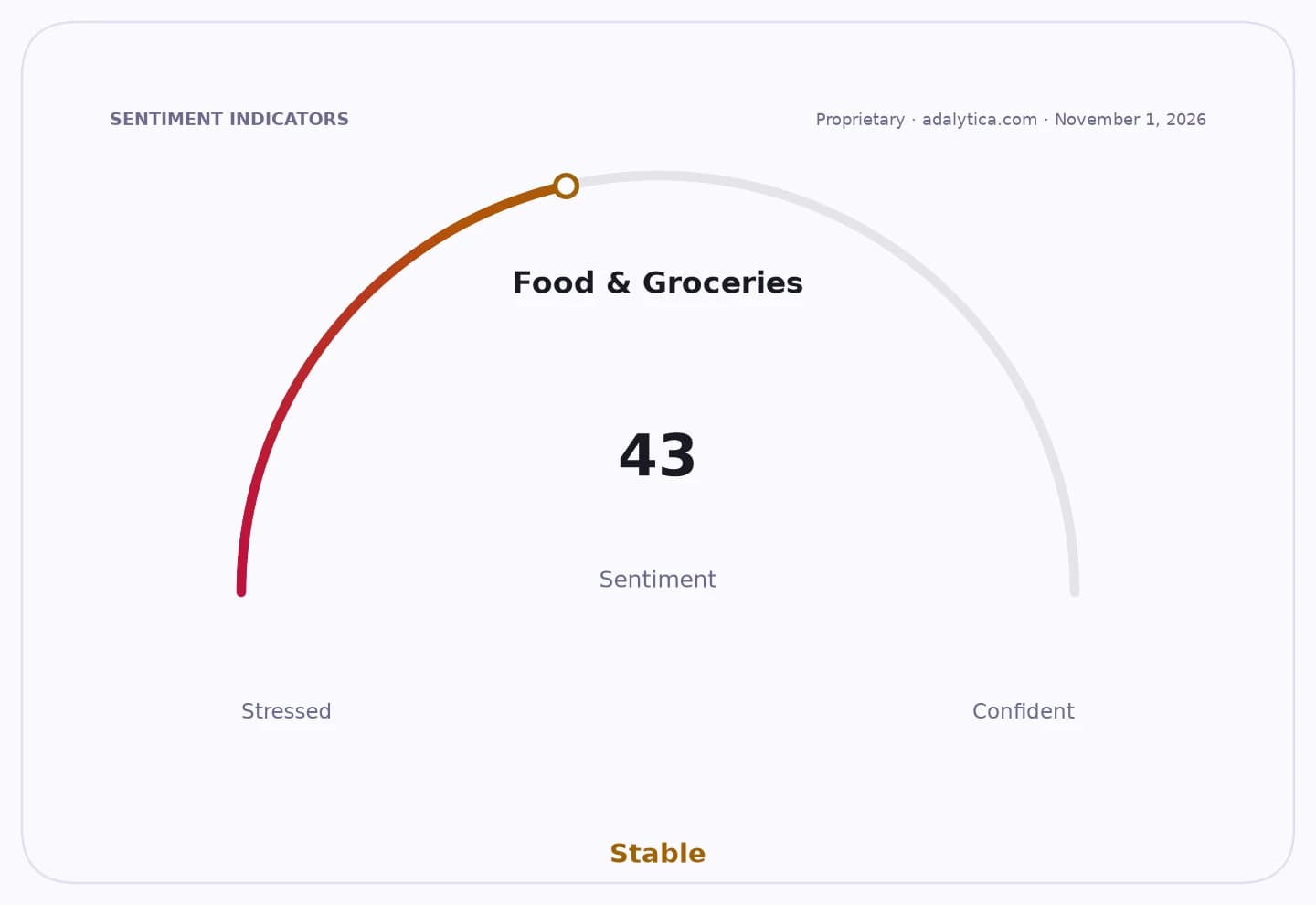
Sentiment Indicators
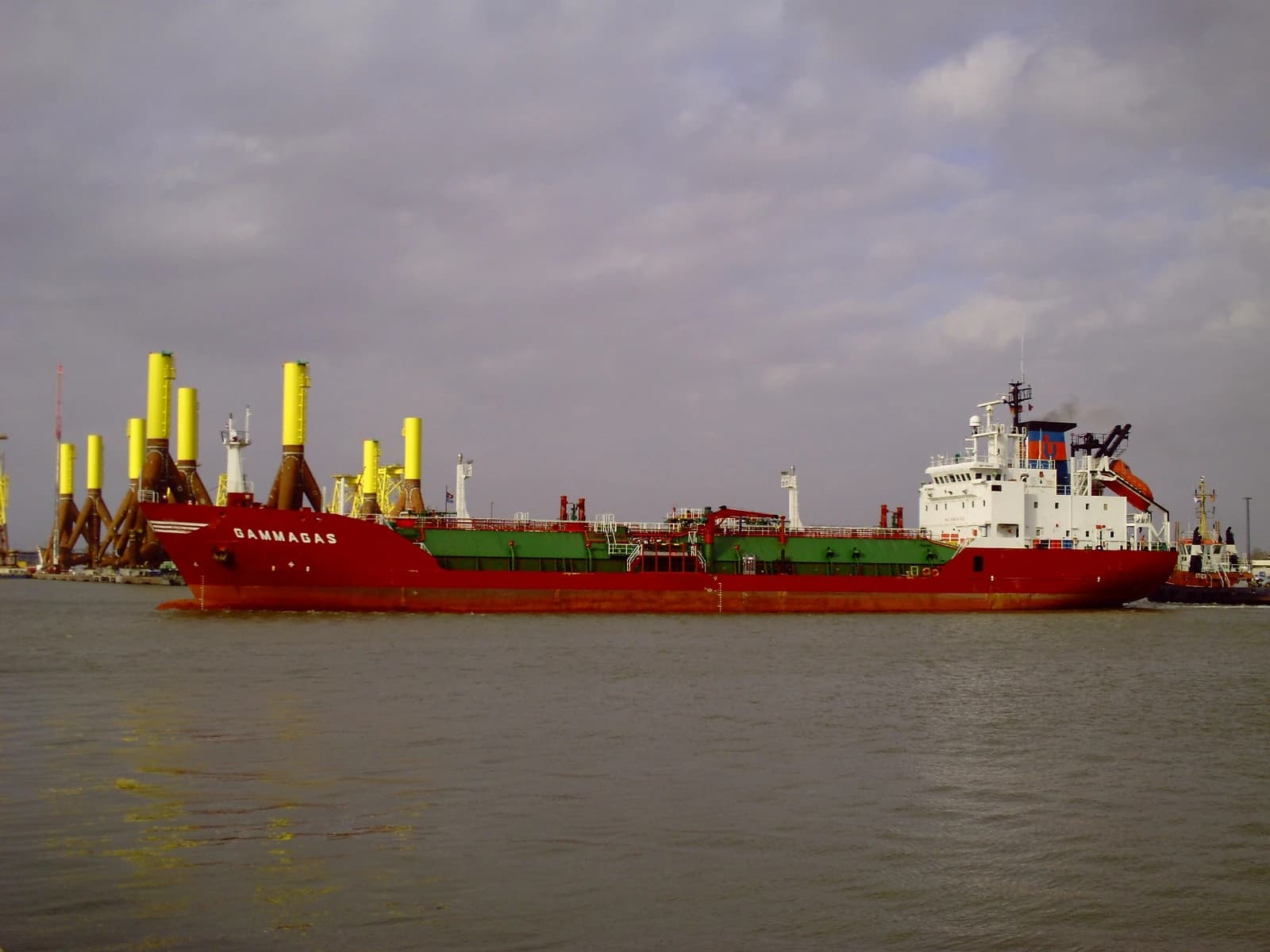
The port said the rice cargo moved through several vessels at once, including the MV HDP Lucky, MV Imperial Varalakshmi and MV Aksan Sandra, with exporters such as Seiler Exports and Louis Dreyfus active in the trade. Chennai Port also said it has upgraded infrastructure to handle rice and maize more efficiently, aiming to build on a fiscal-year cargo throughput of about 58 million metric tonnes in the previous year.
That kind of operational improvement is important. Ports with better crop-handling capacity tend to win repeat business, especially from large exporters that need turnaround speed and reliability. In a sector where margins can be thin and shipping schedules matter, a port that can consistently move bulk agricultural cargo has a competitive edge. Chennai’s message is that it wants to be that port on India’s eastern seaboard.
The 2 lakh-tonne mark also fits a broader trade narrative. Africa remains a major destination for Indian rice, and steady demand there supports exporters even when other agricultural markets are choppy. In the near term, that can help keep volumes flowing through port operators, shipping agents and related logistics firms. Over the longer term, it strengthens the case that India’s export infrastructure is evolving alongside its farm output.
For investors, the takeaway is straightforward: this is not just a one-off throughput number. It is evidence that trade infrastructure, agricultural exports and shipping services can compound together when capacity improves and demand holds up. Ports that keep capturing these flows deserve a place on the watchlist, because the beneficiaries of higher export volumes are often the ones that own the bottlenecks.
| Entity | Gains | Losses |
|---|---|---|
| Chennai Port | ▲Higher cargo volumes | ▼Idle berth capacity |
| Rice exporters | ▲Faster export routing | ▼Congestion at weaker ports |
| Shipping agents | ▲More vessel calls | ▼Slower trade lanes elsewhere |
| African importers | ▲Reliable supply access | ▼Buyers facing tighter sourcing options |