India’s bid to become a serious semiconductor power is starting to look less like political theater and more like an investable industrial policy shift, and that matters because chips now sit at the center of global supply chains, AI infrastructure and strategic competition.
India semiconductor push and industrial policy
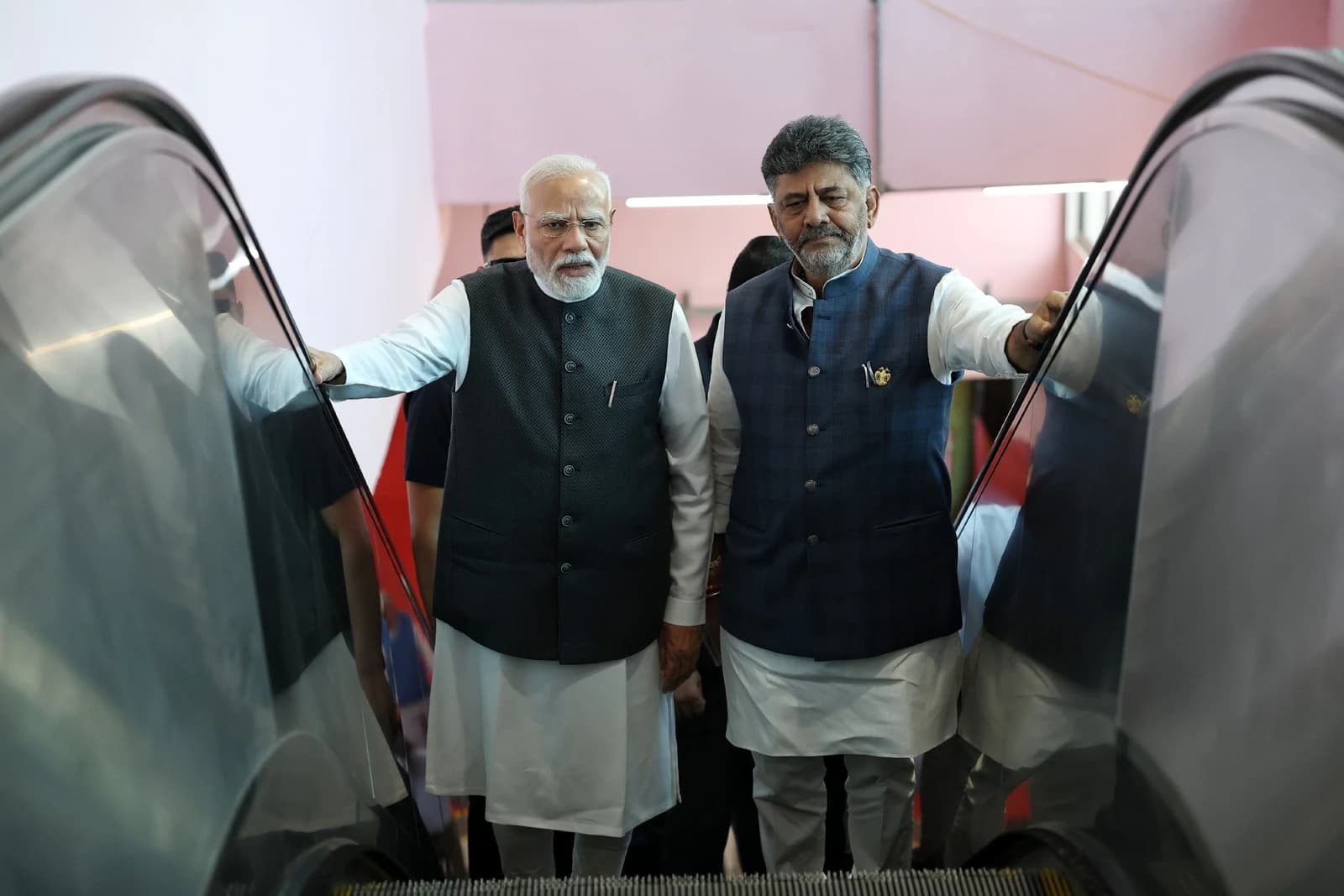
Prime Minister Narendra Modi used a speech at IIT Kharagpur to frame semiconductor manufacturing, poverty reduction and scientific progress as proof that India has outgrown the old assumption that it cannot tackle hard problems. The economic message underneath the rhetoric is straightforward: New Delhi wants investors to treat India not just as a consumer market, but as a manufacturing base capable of joining the chip ecosystem that dominates the next decade of technology spending.
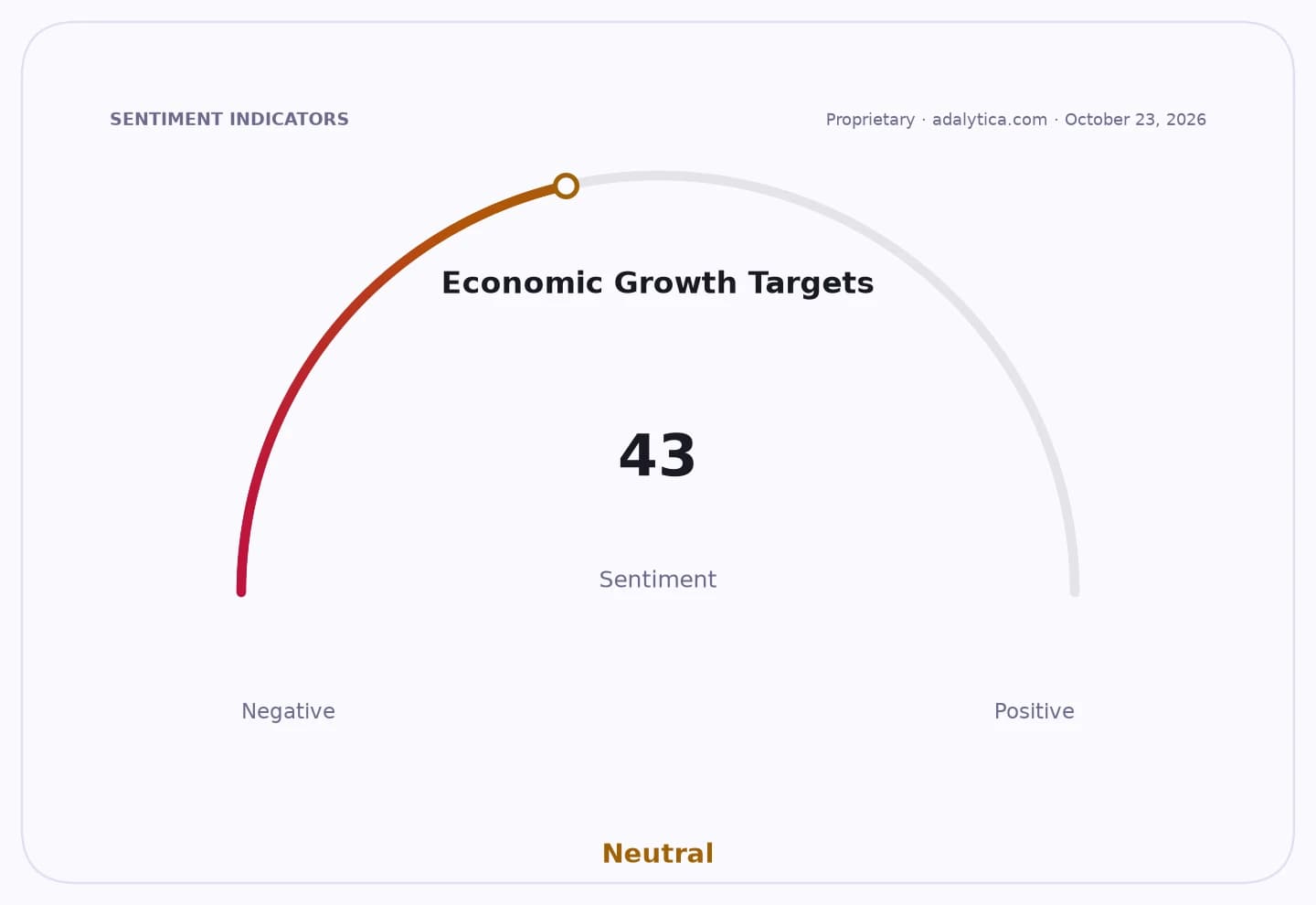
Sentiment Indicators
That matters because semiconductors are no longer a niche industrial ambition. They are the toll road for AI, cloud, defense electronics, autos and telecoms. Every country that wants resilience is trying to secure supply, and every company in the value chain is trying to diversify production away from concentrated hubs. India’s entry into the sector, even if still early, gives global chipmakers another location for assembly, packaging and eventually more advanced manufacturing, while also deepening domestic capabilities in design and exports.
Modi said India had established numerous semiconductor facilities within four years and had started exporting chips. The broader point is not that India is suddenly self-sufficient; it is that the country is moving from policy intent to capacity creation. The India Semiconductor Mission, launched in 2021, has helped attract approvals and build momentum, though the real test will be commercial output and whether the country can sustain execution across fabrication, packaging and supply-chain infrastructure.
For investors, the most important implication is second-order demand. India’s semiconductor rise supports equipment makers, specialty materials suppliers, power systems, industrial automation, logistics and construction. It also strengthens the long-term case for companies tied to advanced packaging, chip design and electronics manufacturing services. The market still tends to view India’s chip ambitions as a distant story. That is a mistake. Once a country starts building fabs, packaging plants and export channels, the capital cycle tends to compound quickly.
The move also reinforces a broader re-rating of India as a technology and infrastructure theme. Modi paired chip progress with a claim that around 496 million Indians moved above the lower-middle-income poverty line between 2011 and 2023, according to a World Bank brief. Lower poverty and rising digital penetration expand the domestic base for electronics, data services and industrial consumption. In other words, the same country building semiconductor capacity is also enlarging the addressable market for the products those chips power.
That combination is why the story matters beyond domestic politics. India is trying to convert demographic scale into industrial scale, and semiconductor capacity is one of the clearest markers of whether that conversion is real. If execution keeps improving, the winners are likely to be the ecosystem players that supply the picks and shovels of chip manufacturing, not just the headline plant builders.
The market is still underestimating how quickly India’s industrial policy can turn into a multi-year capital cycle. For investors, the takeaway is to stay positioned in the semiconductor supply chain, India manufacturing enablers and the infrastructure names that stand to benefit as the country pushes from aspiration to self-reliance.
| Entity | Gains | Losses |
|---|---|---|
| India semiconductor builders | ▲New capacity, policy support | ▼Execution pressure |
| Chip equipment suppliers | ▲More factory demand | ▼Wait-and-see investors |
| Indian electronics manufacturers | ▲Local sourcing, export upside | ▼Import-dependent rivals |
| TSMC, ASML and peers | ▲Broader long-term demand | ▼Concentrated supply-chain model |