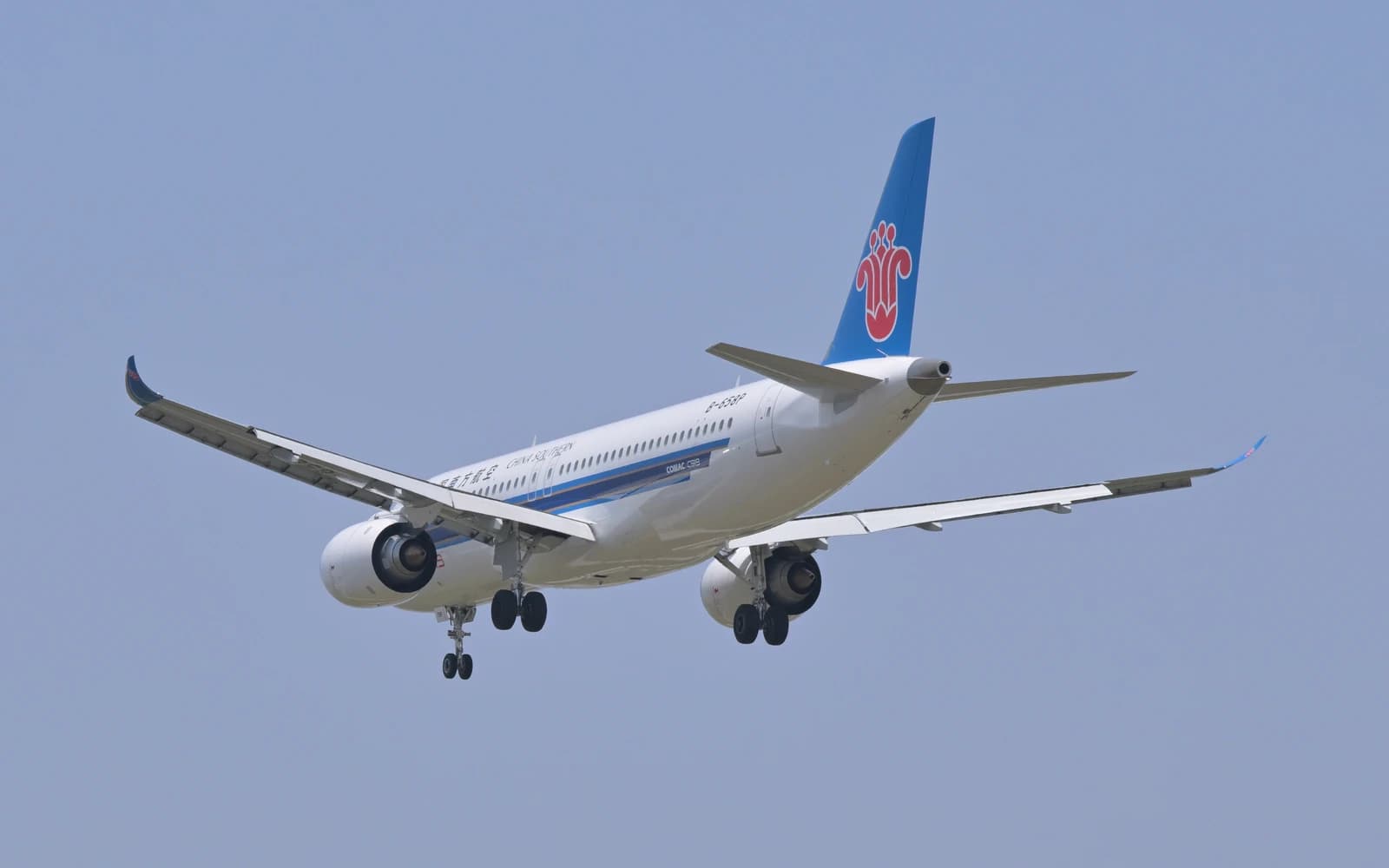
India’s airline industry is preparing to place another massive aircraft order, a move that would underline just how quickly the country’s aviation market is outgrowing its current fleet.
India Airlines Prepare for 1,000-Plane Order
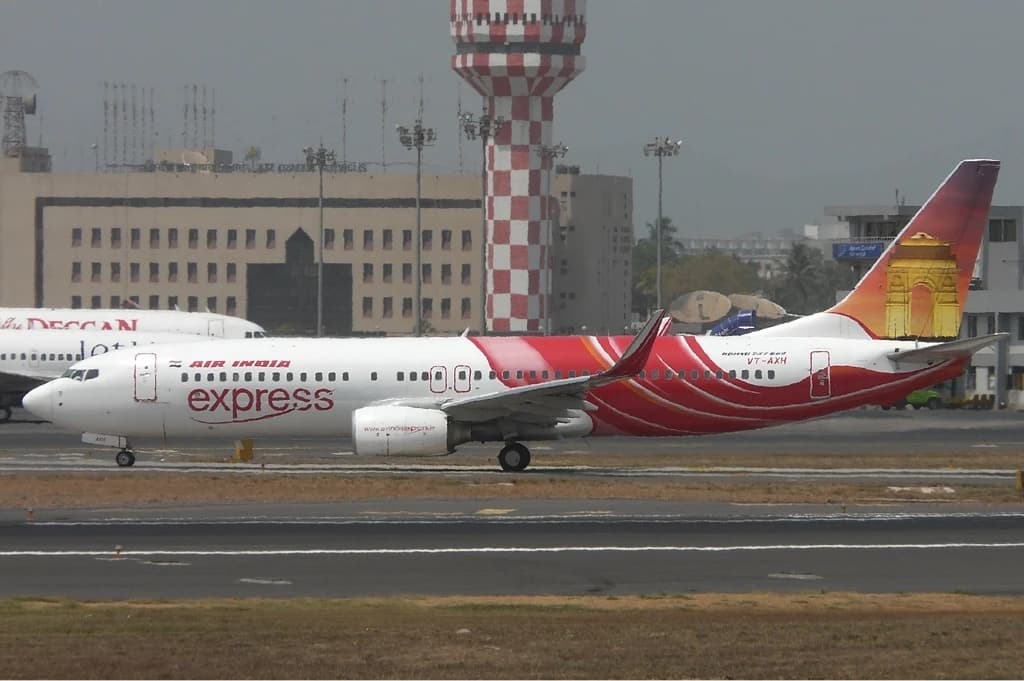
Commerce Minister Piyush Goyal said Indian commercial carriers are poised to order about 1,000 more planes as demand for air travel keeps rising, reinforcing a long-term growth story that has already made India one of the most important expansion markets in global aviation. For investors, the significance is straightforward: more planes mean more routes, more passengers and, ultimately, more revenue opportunities for airlines, airports, lessors and aircraft makers.
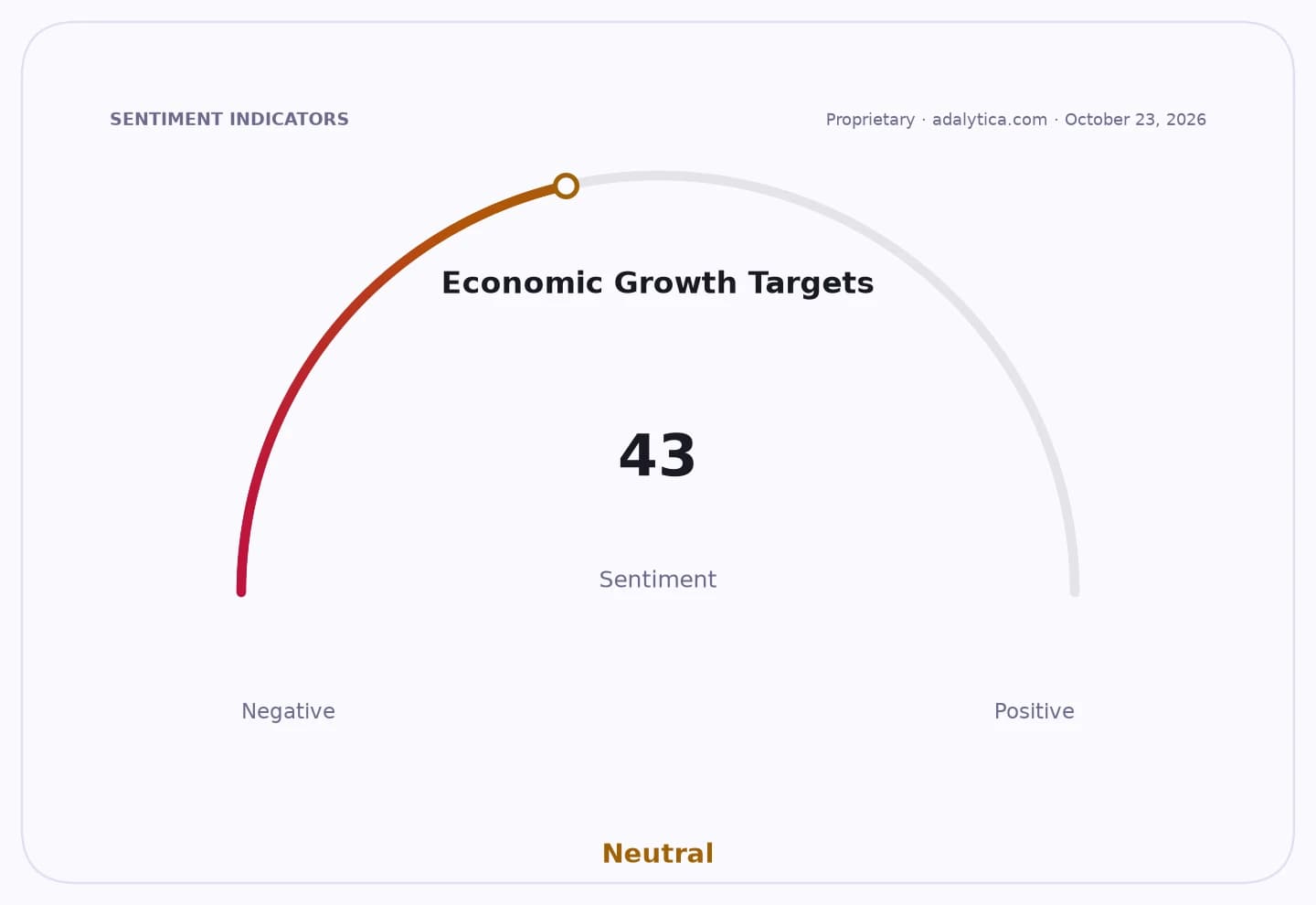
Sentiment Indicators
This is not just a headline about airline shopping. India’s aviation market is being reshaped by demographics, rising incomes and stronger connectivity across a country where rail and road remain critical but increasingly inadequate for faster business and leisure travel. A 1,000-jet order would be one of the clearest signs yet that Indian carriers are betting the next decade will bring sustained traffic growth, not a temporary post-pandemic burst.
The timing also matters. Airlines in India have been working to widen their international networks, including non-stop services on key long-haul routes, while also coping with periodic operational disruptions and aircraft supply constraints. When capacity is tight, carriers cannot fully capture demand, which leaves money on the table and can push fares higher. New aircraft deliveries, if they arrive on schedule, should help ease that bottleneck and support a more efficient industry structure.
For Boeing and Airbus, the order would deepen an already important pipeline. Boeing shares have been under pressure recently, with the stock trading well below its 50-day and 200-day moving averages, and the latest price action showing the market still cautious despite the scale of its commercial backlog. Airbus, meanwhile, has held up better, but a deal of this size would be meaningful for both manufacturers because India is becoming one of the few global markets capable of absorbing such large fleet growth over time.
Investors should also look beyond the plane builders. Airlines with the best balance sheets, strongest brands and most disciplined route networks stand to benefit as India’s market matures. Air India, IndiGo and other carriers are all likely to be part of the competition for traffic, and the winners will be the operators that can turn capacity growth into sustained profitability rather than just bigger fleets.
There is still execution risk. Large aircraft orders do not automatically translate into earnings, especially if delivery delays, fuel costs or weak yields disrupt the economics. But the strategic direction is clear: India’s aviation market is moving from scarcity to scale, and that is the kind of secular trend long-term investors usually want to own.
For investors, the takeaway is simple. India’s air-travel boom is still early, and a 1,000-plane order would be another sign that the runway is long. It is worth watching for the airlines, the suppliers and the airport ecosystem that can compound alongside it.
| Entity | Gains | Losses |
|---|---|---|
| Indian airlines | ▲More capacity and route growth | ▼Higher leverage and execution risk |
| Boeing and Airbus | ▲Larger order books | ▼Delivery pressure and pricing competition |
| Airport operators and lessors | ▲More traffic and lease demand | ▼Congestion and capital needs |
| Travelers / consumers | ▲More routes and better connectivity | ▼Fares may stay elevated if supply lags |