China and Kazakhstan are set to expand air links by 30 weekly flights, a small but meaningful reminder that international travel demand is still doing the heavy lifting for airlines as China’s domestic market remains under pressure. The move lifts the permitted weekly schedule from 150 to 180 flights and could add service to Chengdu and Kashgar, giving passengers more direct options while broadening the commercial runway for carriers on both sides.
China and Kazakhstan Add 30 Weekly Flights
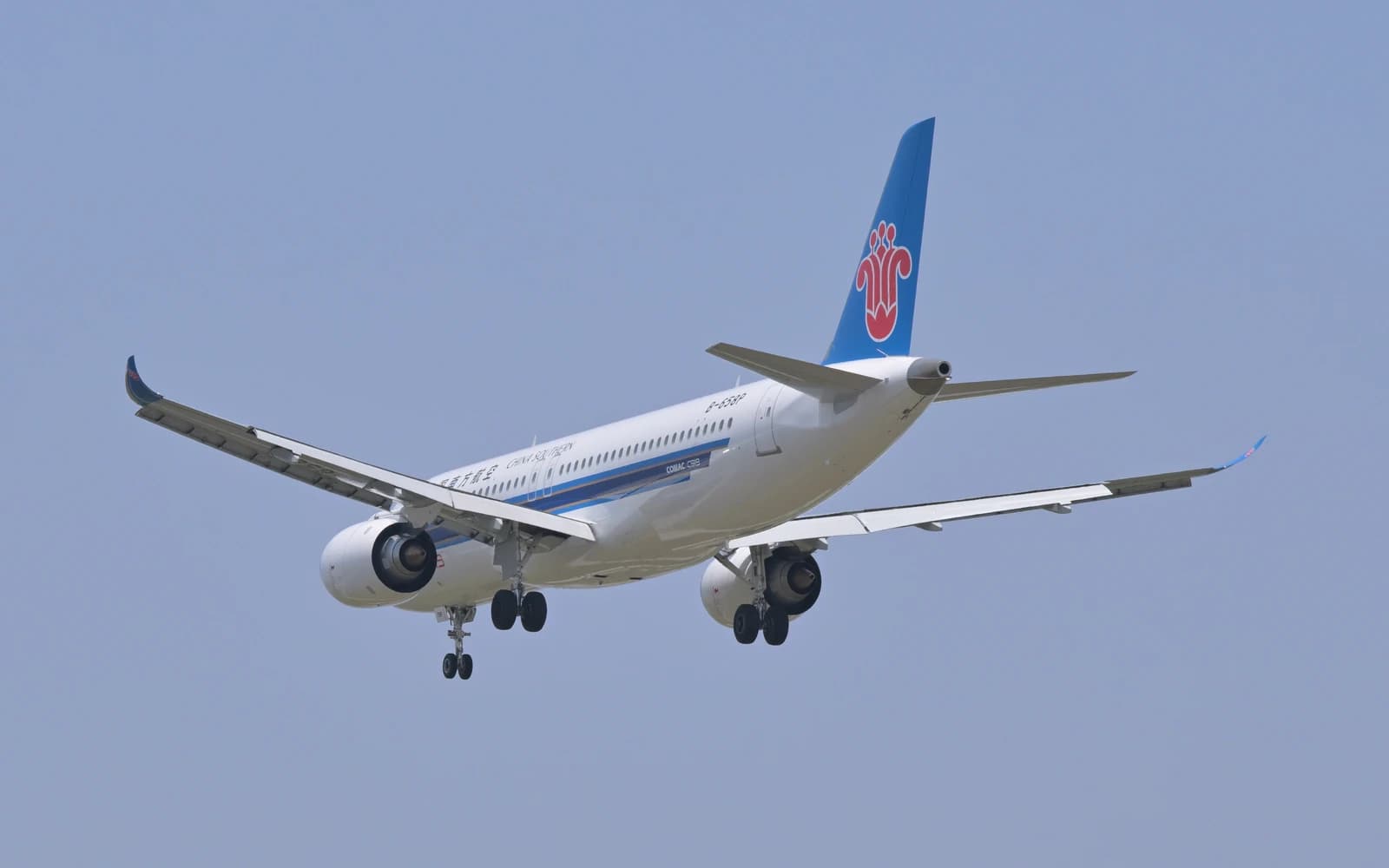
For investors, the real significance is not the route map itself but what it says about where airline growth is likely to come from next. China’s largest carriers have been struggling with weak consumer demand at home, fierce fare competition and elevated fuel costs, which have kept profits under strain. That makes every new cross-border frequency, especially on a market tied to business travel, tourism and trade, a potential source of incremental revenue and better aircraft utilization.
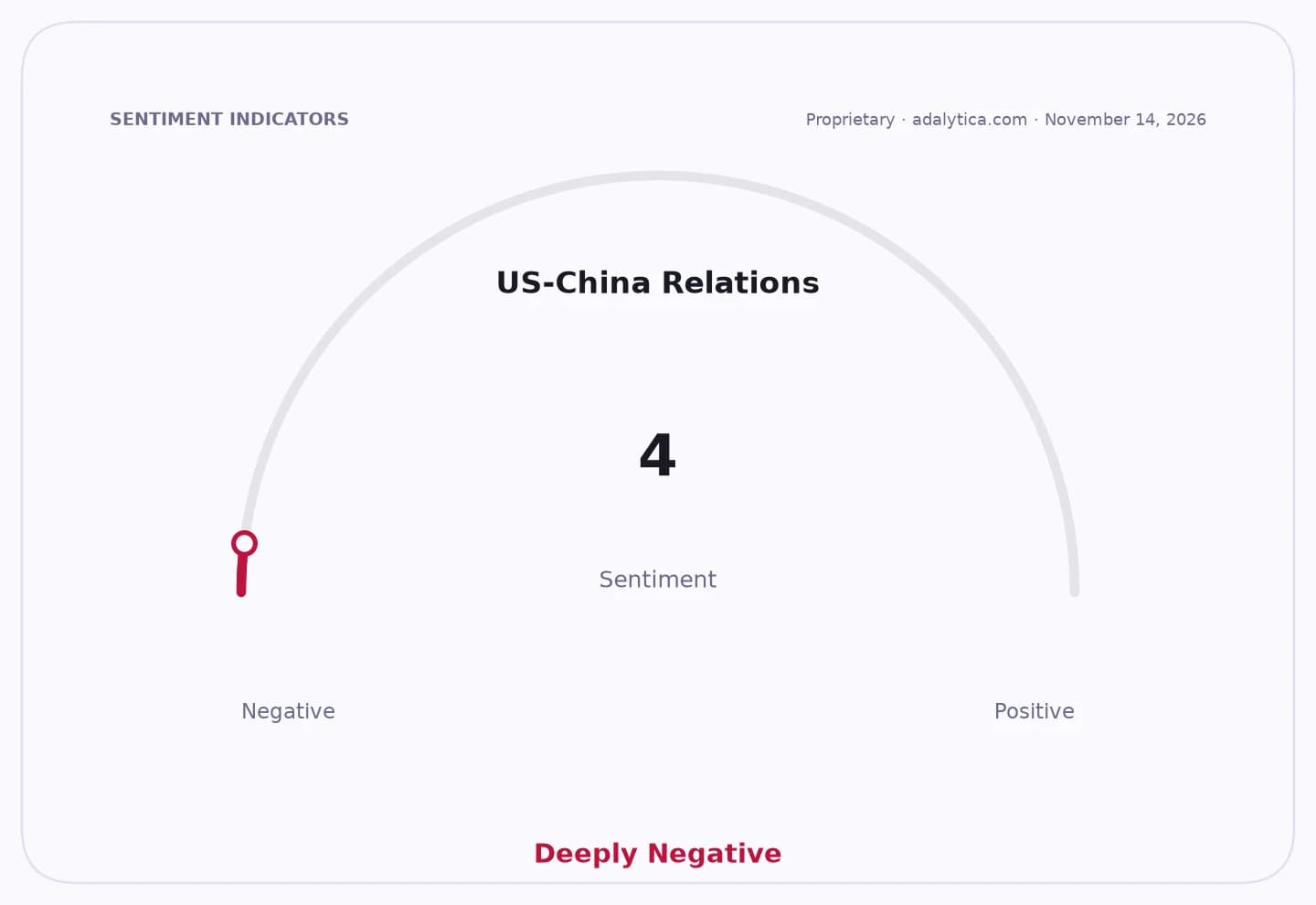
Sentiment Indicators
The development also fits a broader pattern: airlines are leaning harder on overseas routes to offset softness in domestic flying. International traffic tends to carry higher yields than crowded short-haul domestic networks, and new or expanded routes can help improve pricing power if they are filled with a healthy mix of leisure and business passengers. Even modest capacity increases matter when carriers are trying to protect margins in a sector where fuel and ticket discounting have been squeezing returns.
United Airlines, Delta Air Lines and American Airlines all have direct and indirect exposure to China travel trends, and the backdrop for the sector has recently been more constructive. UAL and DAL shares have both rallied sharply in recent sessions, while American has also recovered from earlier weakness. That does not mean one route expansion changes the earnings picture overnight, but it does support the long-term thesis that international aviation, not domestic price wars, may be one of the steadier profit pools as travel normalizes.
The bigger takeaway for investors is simple: when governments open the spigot on flights, airlines gain more than seats. They gain flexibility, network depth and the chance to capture higher-value passengers over time. This is worth watching as a sign that China’s aviation market is still rebuilding, and that the companies best positioned to connect China with the rest of Asia may have a long runway ahead.
| Entity | Gains | Losses |
|---|---|---|
| Chinese airlines | ▲More international demand | ▼Limited help from domestic weakness |
| Kazakhstan and China trade/travel | ▲Better connectivity | ▼Less travel friction |
| UAL, DAL, AAL | ▲Stronger long-haul traffic outlook | ▼Continued fuel and fare pressure |
| Domestic-focused carriers | ▲Little direct benefit | ▼Share of growth shifts abroad |