Karnataka is using its biggest annual tech showcase to pitch itself as India’s most advanced bet on AI, deep tech and semiconductor manufacturing, a strategy that matters because the state already anchors a disproportionate share of the country’s software exports, foreign investment and startup activity.
Karnataka pitches AI and chip manufacturing push
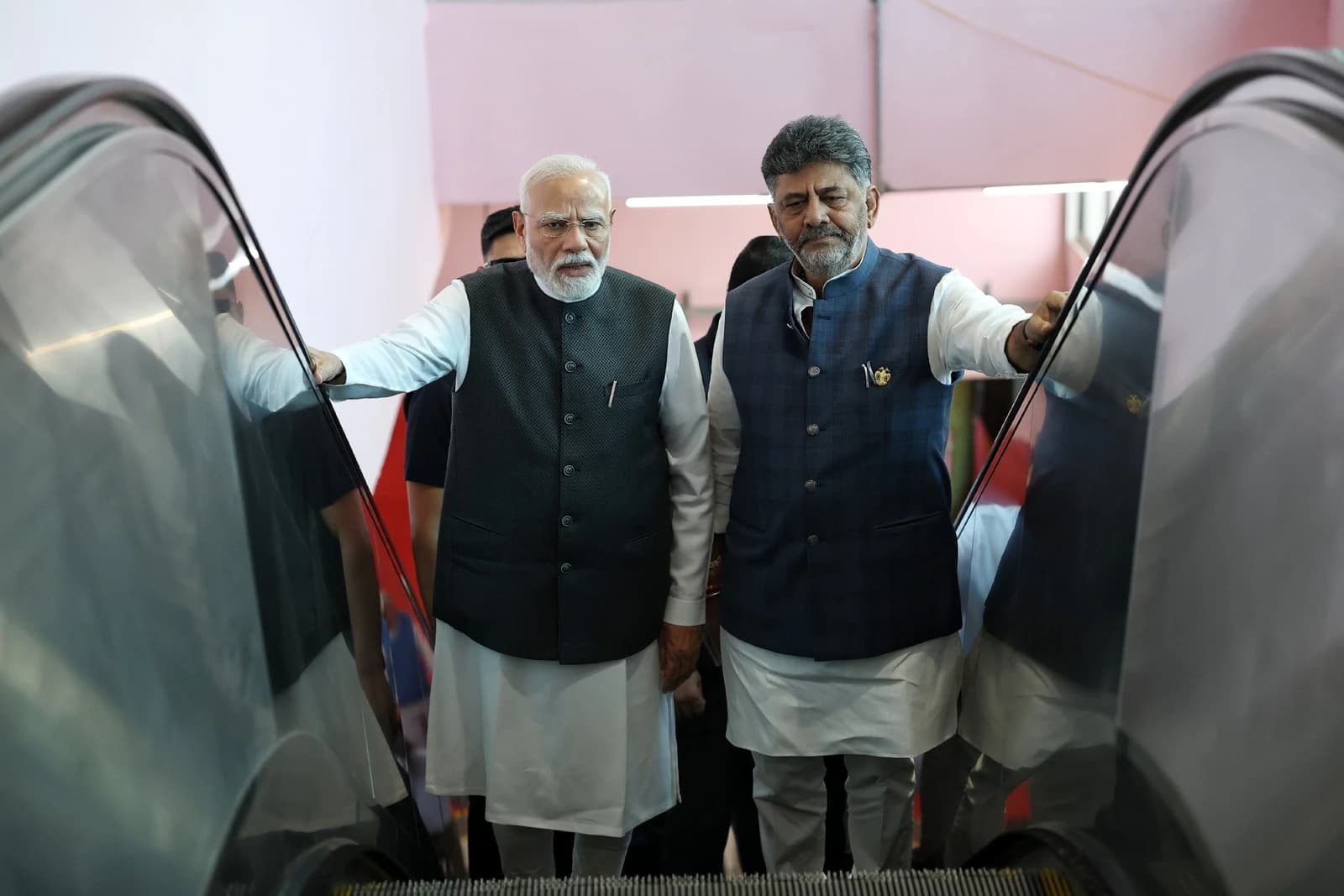
Chief Minister D.K. Shivakumar told delegates at the Bengaluru Tech Summit on Nov. 17 that Karnataka wants to move beyond software services into full-stack technology creation, from AI and robotics to chip design and fabrication. For investors, the message is clear: the state is trying to convert its existing tech depth into a broader industrial platform that can attract capital, talent and manufacturing supply chains.
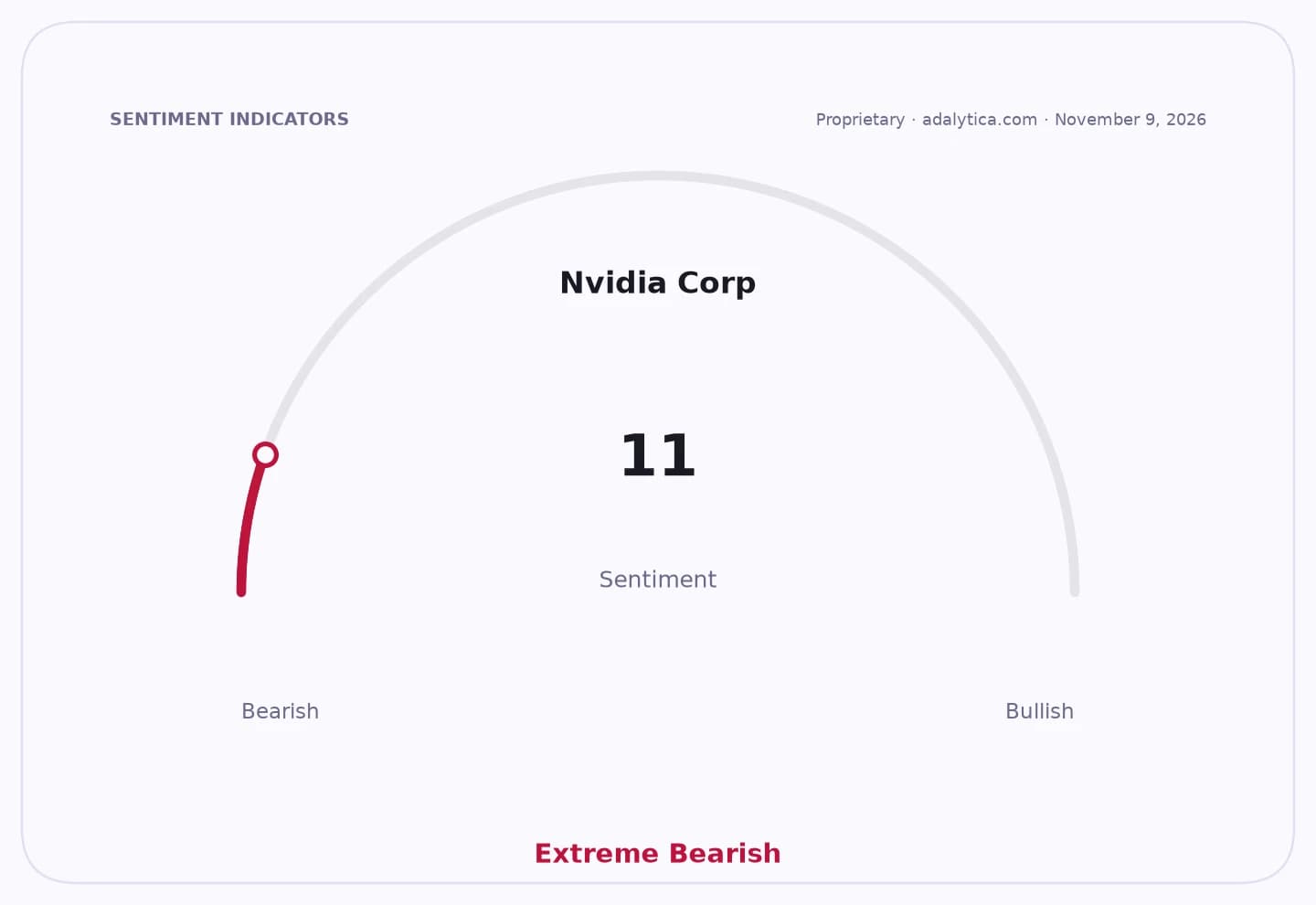
Sentiment Indicators
The economic stakes are large. Karnataka said it accounts for two out of every five dollars India earns from software and services exports, or about $173 billion in 2025, while drawing $9.4 billion in FDI equity inflows in the first half of FY2025-26, equal to 26.7% of India’s total. Bengaluru also hosts more than 1,000 global capability centres, with over 30 new centres bringing in more than $1 billion in investment in 2025 alone.
The state is leaning on that base to court the next wave of technology spending. Karnataka said it is home to more than 24,000 recognised startups and nearly 40% of India’s unicorns, while Bengaluru ranks eighth globally and second in Asia for AI-native startups. Startups in the state have raised about $79 billion cumulatively, including $13.4 billion by women founders in Bengaluru, and the city drew $4.4 billion in tech funding in 2025, nearly matching the combined $4.8 billion raised by the next five Indian cities.
The policy push is aimed at turning that ecosystem into a production engine rather than just a services hub. The government said its ELEVATE NxT program is offering grants of ₹1 crore to deep-tech startups, with ₹30 crore already disbursed to 33 ventures since 2025. It has also set aside ₹25 crore to buy innovative solutions directly from startups under a “Government First” initiative, while the Innoverse accelerator will support 35 growth-stage companies over the next five years.
Artificial intelligence is at the centre of the pitch. Karnataka said Bengaluru holds nearly half of India’s AI and machine-learning talent, and it is setting up India’s first government-driven AI university, a robotics and AI innovation zone, and a centre of excellence at IIIT Raichur to push AI use in agriculture, healthcare, education and small business across 13 north Karnataka districts.
The semiconductor message is equally ambitious. Karnataka said it is moving from chip design toward manufacturing, with more than 100 fabless chip companies in the state and about three-fifths of India’s semiconductor capability centre engineers. Global firms are investing more than ₹23,000 crore in semiconductor facilities across Bengaluru and Mysuru, backed by electronics manufacturing clusters and new infrastructure projects.
The summit itself underscores Karnataka’s growing international pull, with participation rising from 57 countries last year to more than 75 this year. For investors, the broader narrative is that Karnataka is trying to lock in the next decade of India’s tech growth by pairing policy support with capital-intensive bets on AI, semiconductors, biotechnology and advanced manufacturing.
That makes the state a more important watchpoint for global tech companies, venture funds and chip supply-chain investors looking for alternatives to China-centric or U.S.-centric development models. The key test now is execution: whether Karnataka can convert summit pledges, startup grants and foreign interest into scaled manufacturing, higher-value jobs and durable private investment.
| Entity | Gains | Losses |
|---|---|---|
| Karnataka government | ▲Investment inflows, tech leadership | ▼Pressure to deliver projects |
| Bengaluru startups | ▲Grants, procurement, visibility | ▼Fiercer competition for capital |
| Global tech firms | ▲New R&D/manufacturing base | ▼Higher local execution risk |
| Rival Indian states | ▲Less attention, fewer spillover benefits | ▼Capital and talent diversion |