Germany’s push to become a serious AI player just got a lot more ambitious. Chancellor Friedrich Merz said Berlin wants to quadruple the country’s computing capacity by 2030, a move that could reshape where Europe’s AI infrastructure gets built, funded and operated.
Germany Plans to Quadruple AI Compute by 2030

That matters because AI is no longer mainly a software story. It is a power-and-capacity story. The countries that can supply data centers, energy, chips and regulatory certainty will be the ones that capture the most investment, productivity gains and high-value jobs. Merz also framed Germany’s edge as “security and trust,” saying the government has created an AI safety institute and wants a legal framework that enables innovation rather than burying it in bureaucracy.
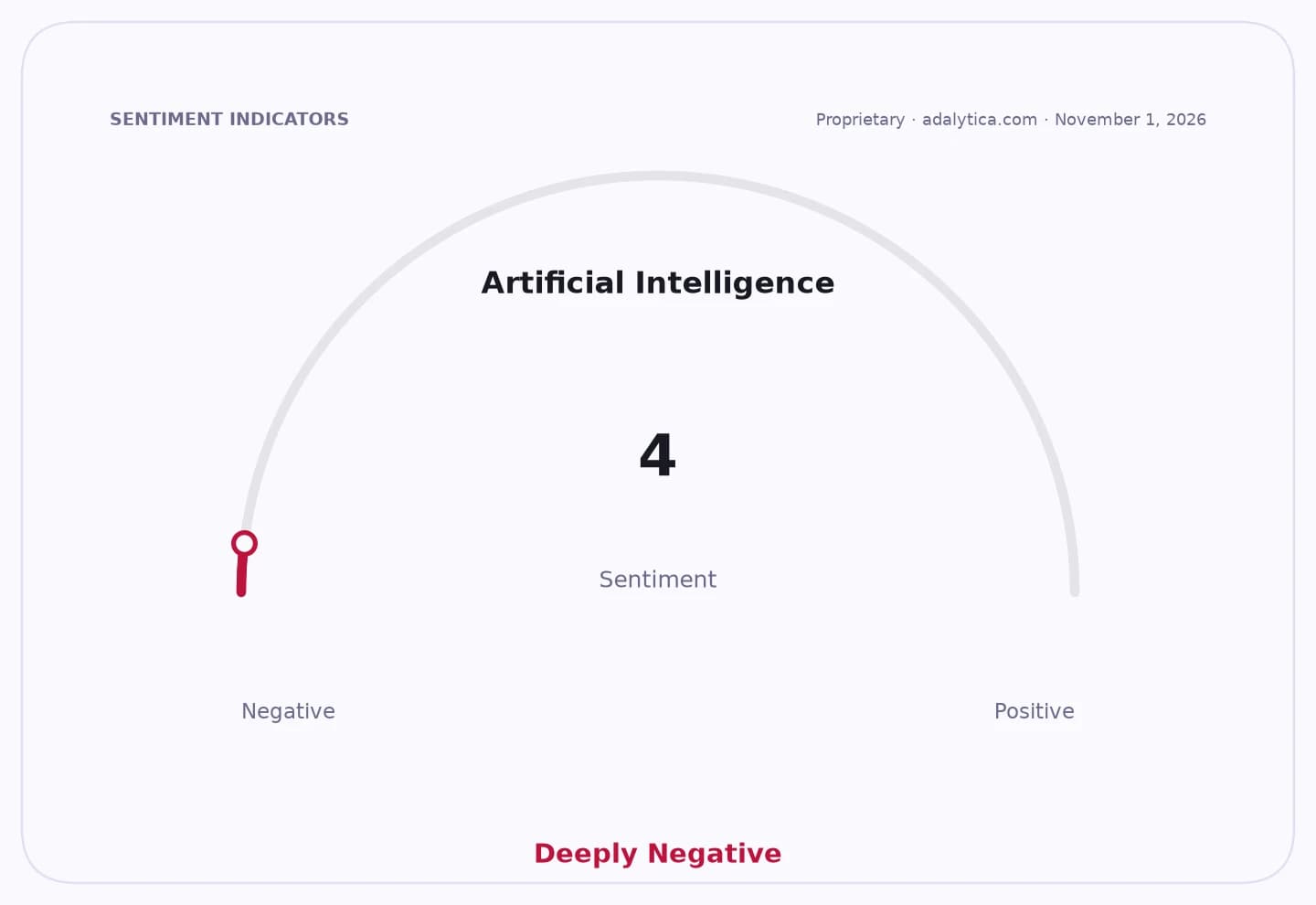
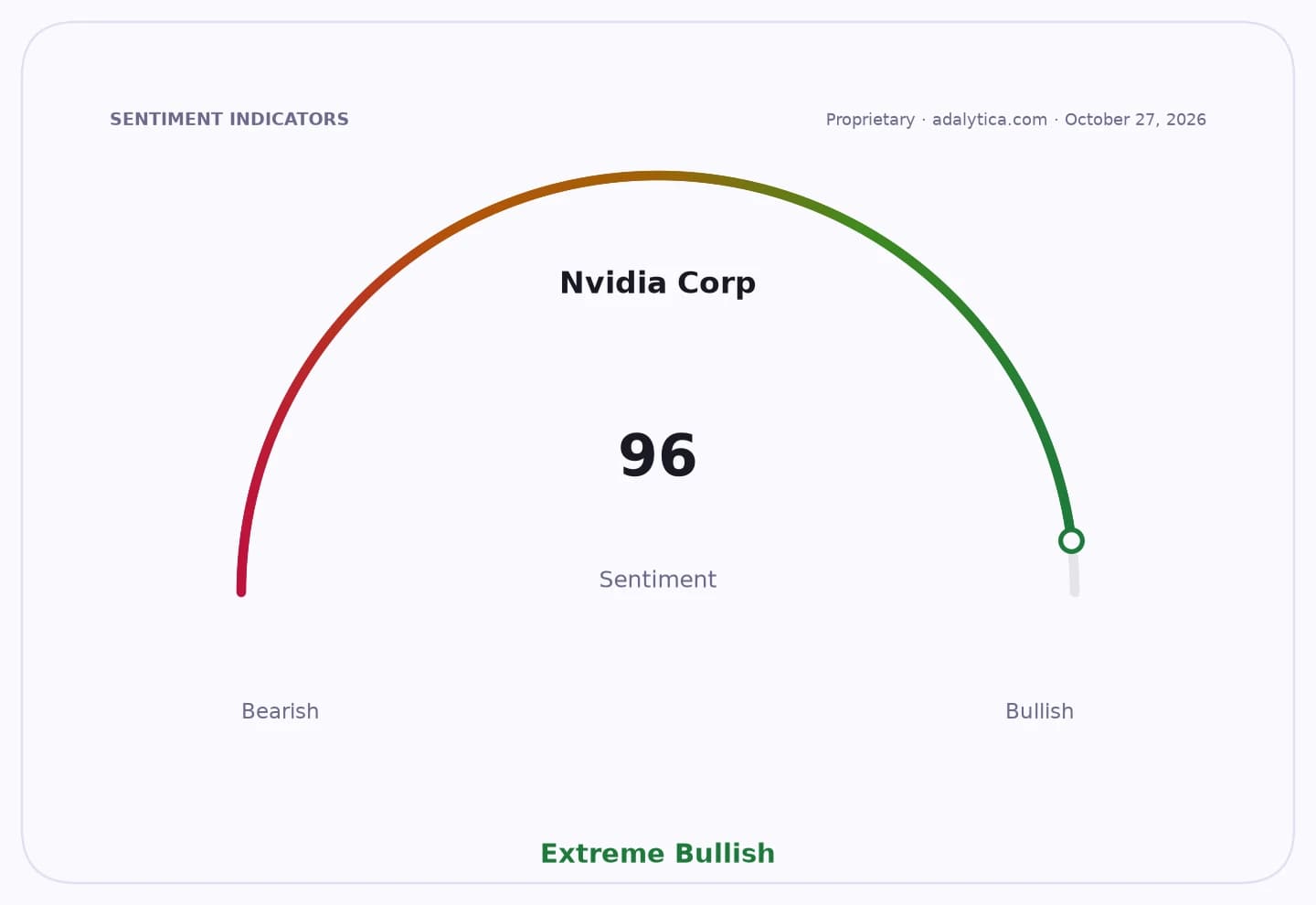
Sentiment Indicators
For investors, the message is that Europe is moving from talk to buildout. More compute capacity means more demand for servers, networking gear, data-center construction, energy infrastructure and the semiconductor supply chain that feeds it. That is good news for the companies selling picks-and-shovels into AI, even if the benefits arrive gradually rather than in one clean earnings quarter.
The plan also fits a broader industrial strategy. Merz said Germany’s deep manufacturing base gives it a chance to profit from AI in a way many countries cannot, especially if large industrial groups and smaller suppliers can use the technology to improve efficiency. In other words, this is not just about training models. It is about embedding AI into factories, logistics, engineering and public administration, where productivity gains can compound for years.
There are real hurdles. Germany is still constrained by high costs, slow permitting and the need for reliable electricity and grid capacity. Merz’s promise to make AI infrastructure more trustworthy will also require clear rules, not just more spending. And because AI buildouts are capital-intensive, the winners will be the firms with balance-sheet strength and the scale to wait for returns.
Still, the long-term investment case is straightforward. Countries that treat AI infrastructure as strategic national capacity are likely to attract capital and talent, while those that hesitate risk falling behind. For investors, that keeps Europe’s digital infrastructure, semiconductor enablers and industrial software names on the watchlist, especially for those thinking in a 3- to 10-year horizon rather than a trading week.
| Entity | Gains | Losses |
|---|---|---|
| Germany’s AI and data-center sector | ▲More investment and capacity | ▼Higher buildout costs |
| Semiconductor and server suppliers | ▲Fresh demand for hardware | ▼Supply bottlenecks |
| German industry and SMEs | ▲Productivity gains | ▼Firms slow to adopt AI |
| Bureaucratic inertia | ▲Less room to slow projects | ▼More pressure to reform |