Childcare is emerging as a politically potent cost-of-living issue ahead of the midterm elections, with rising fees and center closures pushing some undecided parents toward candidates promising tax relief or bigger subsidies.
Childcare Costs Shape Midterm Affordability Debate
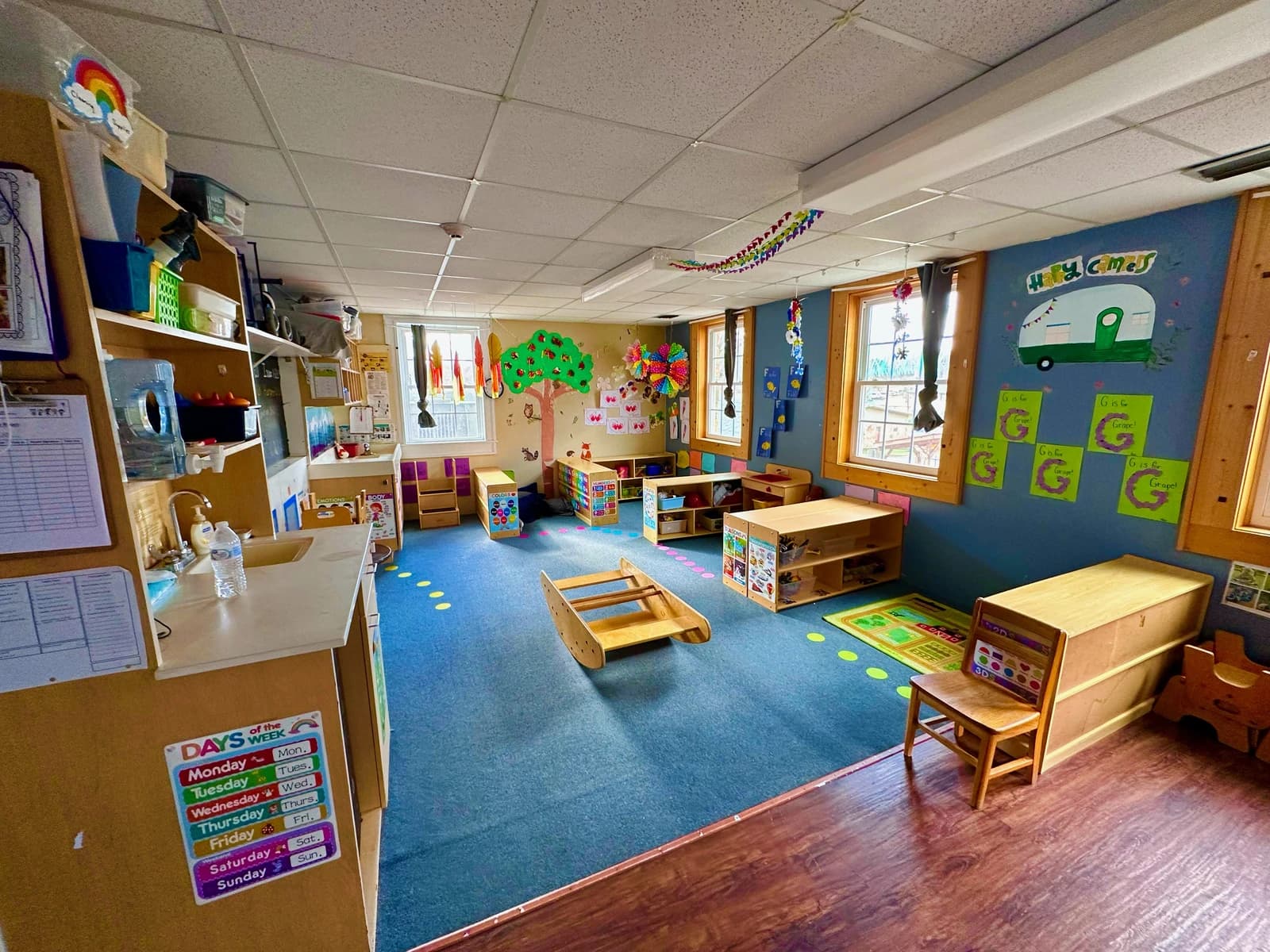
That matters because childcare is no longer just a household budget strain; it is becoming a labor-market and electoral constraint. For many working families, childcare now competes with rent, groceries and fuel as a fixed monthly expense, and unlike food or gasoline it can determine whether a parent can stay in the workforce at all. A sector that is expensive, fragmented and prone to abrupt provider failures can quickly turn into a policy flashpoint.
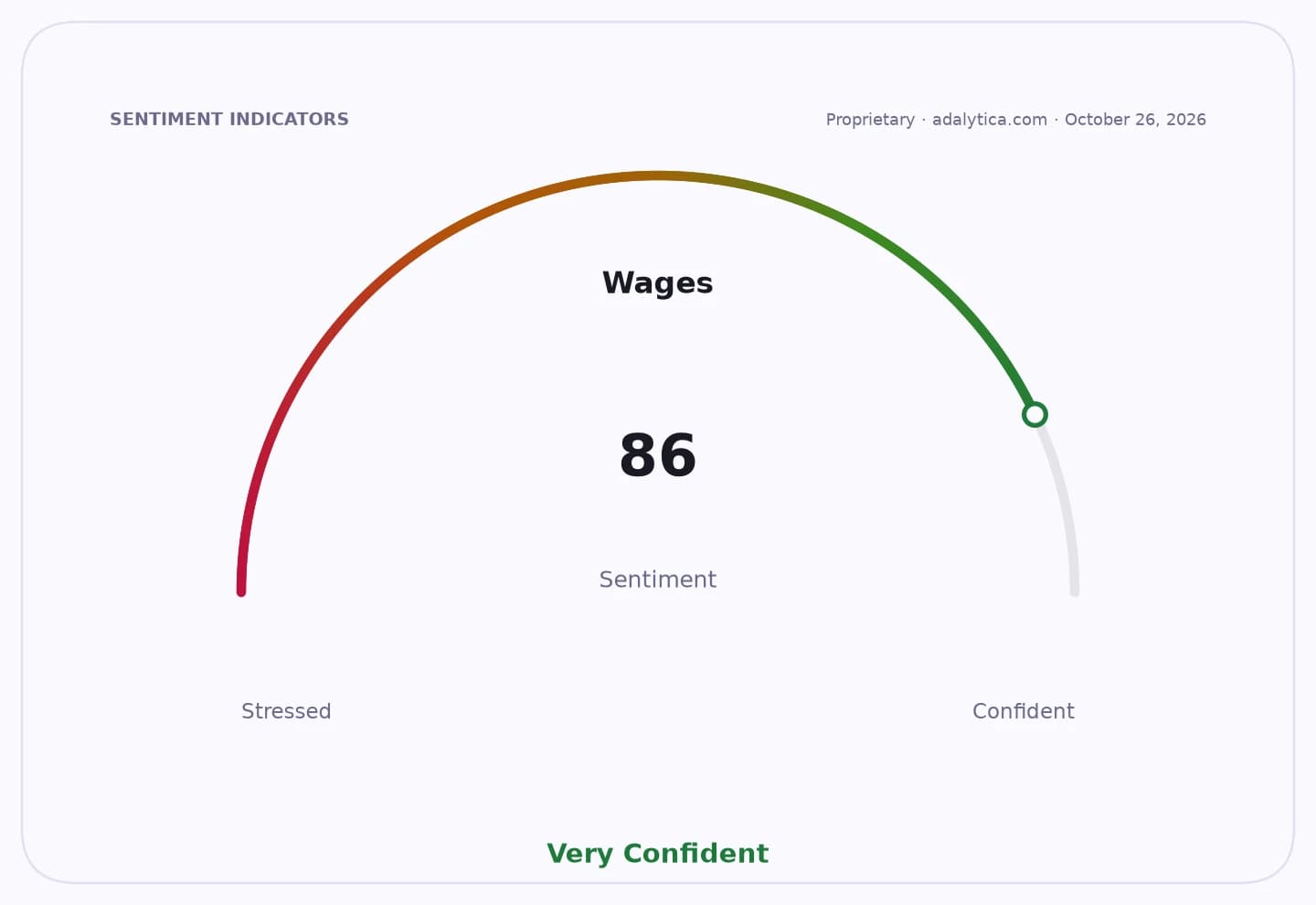
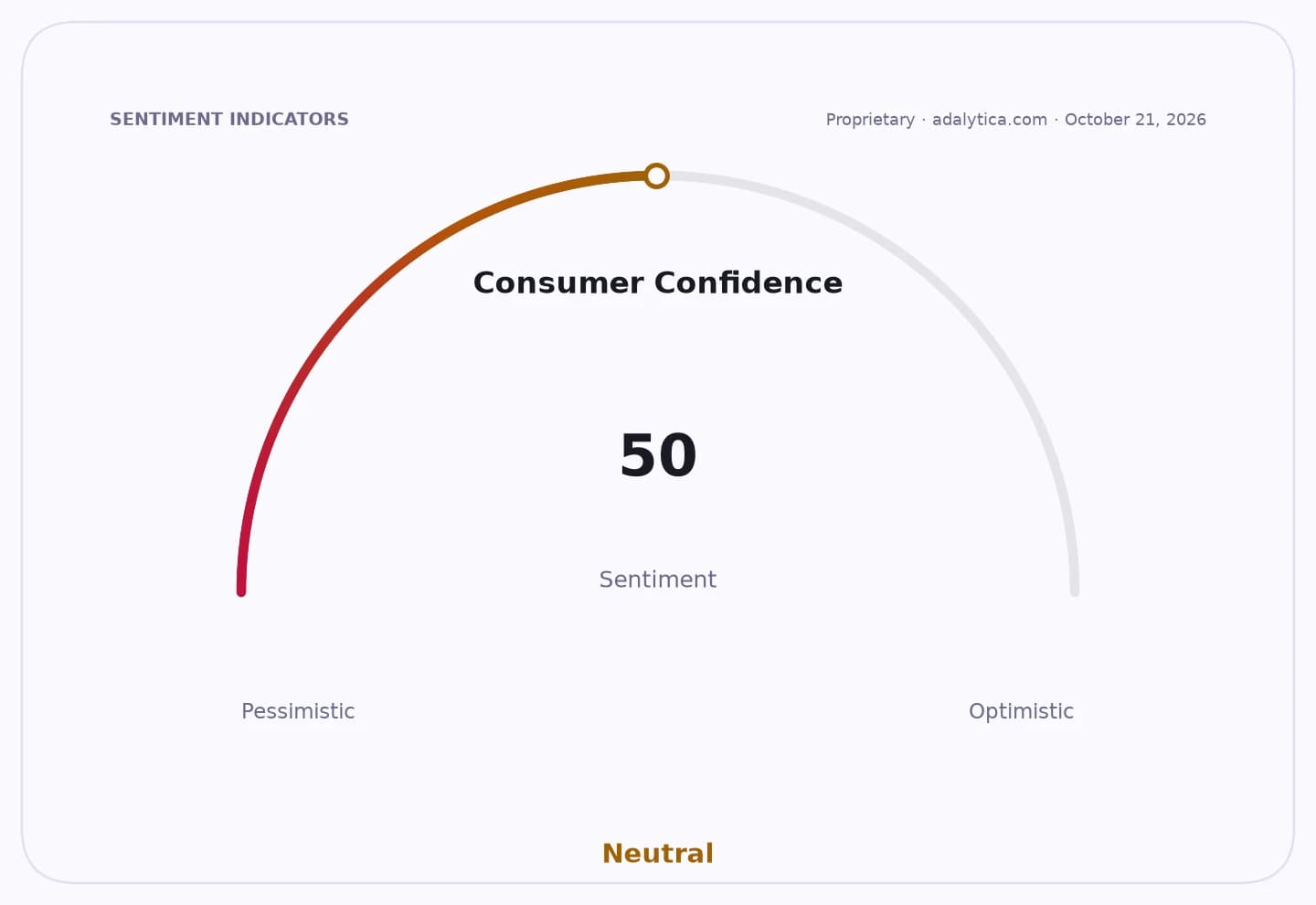
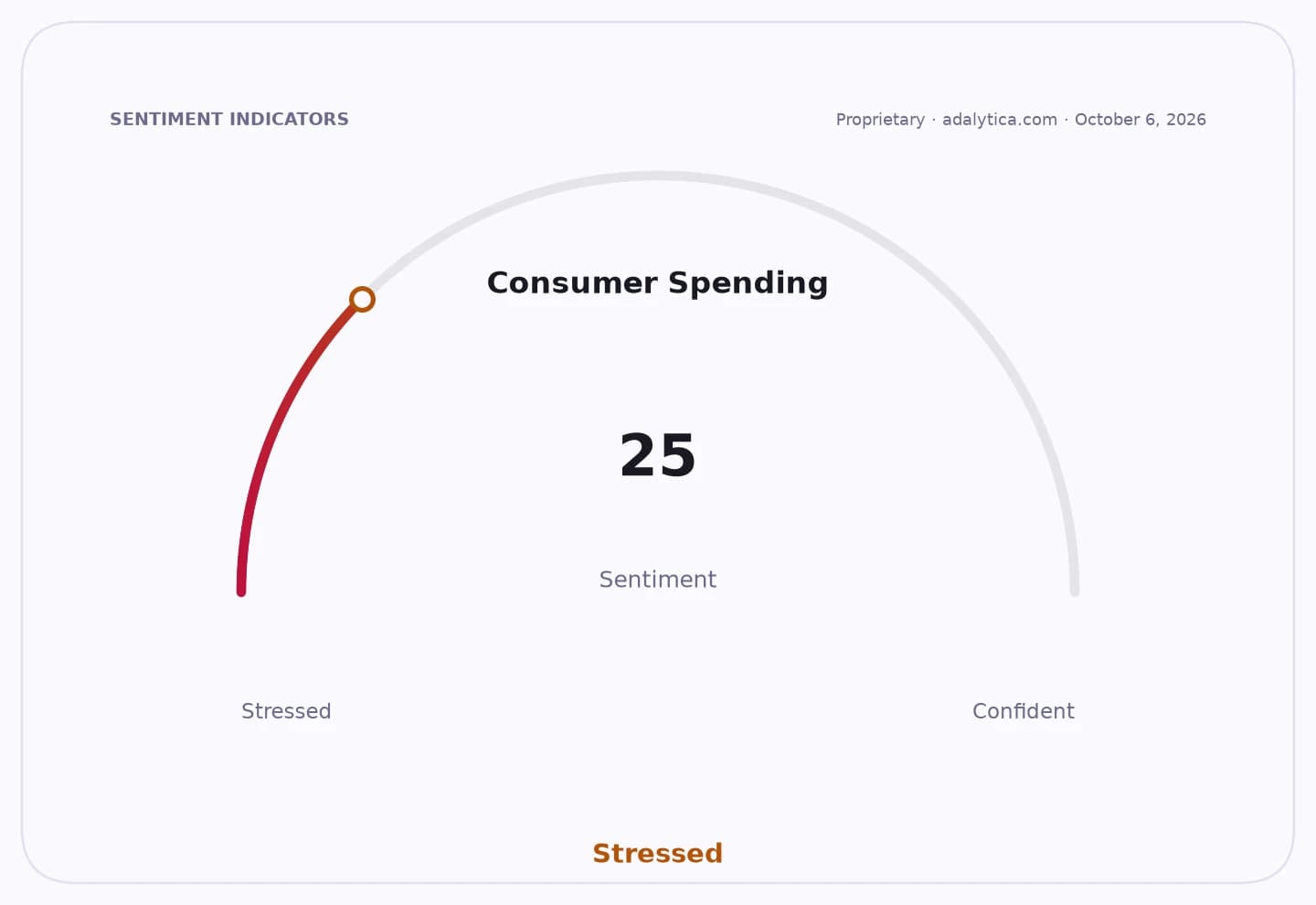
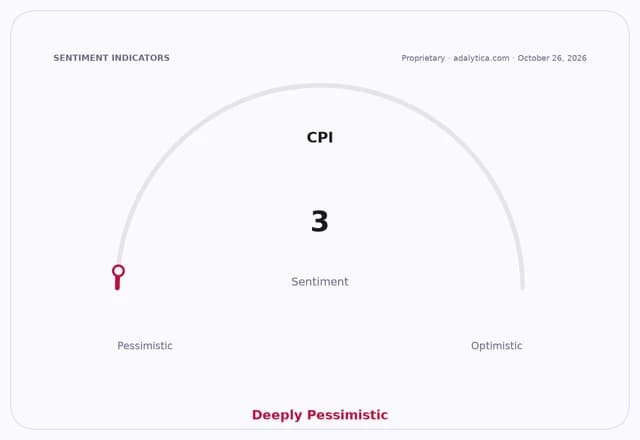
Sentiment IndicatorsⓘProprietary · adalytica.com · October 26, 2026
This is a snapshot — live sentiment, awareness and momentum for 130+ markets update continuously in the dashboard.Open AlphaPulse

A recent poll found 16% of voters still undecided, giving the issue room to influence close races. In battleground states, even a modest shift among parents of young children could matter if they break late toward whichever party is seen as more credible on affordability. That makes childcare a more direct electoral lever than a broader inflation narrative, which has already become familiar to voters and less likely to move marginal ballots on its own.
The pressure is visible in the sector itself. Montessori Academy’s purchase of nine childcare centres previously run by Edge Early Learning came after Edge fell into administration, leaving 11 centres across Queensland, South Australia and the ACT closed and families scrambling for alternatives. The episode underscores how quickly childcare supply can deteriorate when operators are financially stressed, with closures creating immediate disruption for parents and additional pressure on local labour participation.
The economics are straightforward: when childcare costs climb, fewer parents can absorb the expense, and the impact spills beyond family budgets into productivity, employment and consumer spending. Parents may reduce hours, decline jobs or rely on one income, particularly in households where childcare for multiple children can rival a mortgage payment. That makes the issue politically durable because it is both personal and structural.
Investor implications are narrower but still meaningful. Childcare providers and adjacent education businesses stand to benefit if voters push lawmakers toward subsidies, tax credits or public support that stabilizes demand and improves affordability. But the sector also faces operational and balance-sheet risk, as Edge’s collapse shows, and consolidation may continue if smaller operators cannot withstand wage pressure and occupancy volatility. Any policy response would also have second-order effects on employers, especially in services sectors already struggling to retain workers.
Broader inflation readings reinforce the backdrop. Consumer prices and personal consumption costs remain elevated compared with pre-pandemic norms, while unemployment near 4.2% still leaves many households employed but financially stretched. That combination often produces the most politically dangerous setting: not recession, but persistent affordability stress concentrated in essential services that voters cannot easily substitute away.
For investors and policymakers, the key watchpoint is whether childcare becomes part of a wider affordability platform or remains a niche family issue. If it broadens, the policy debate could move beyond temporary relief toward structural subsidies, provider support and workforce measures. If not, the sector is likely to remain exposed to uneven demand, thin margins and periodic operator failures that keep parents on edge.
| Entity | Gains | Losses |
|---|---|---|
| Undecided parents | ▲More leverage on policy | ▼Higher childcare bills |
| Subsidy-focused candidates | ▲Voter support | ▼Fiscal spending pressure |
| Childcare operators | ▲Potential aid and demand support | ▼Margin compression and closures |
| Employers with young-workforce staff | ▲Better worker retention if childcare stabilizes | ▼Absenteeism and labor shortages if it doesn’t |