Chile’s copper industry is losing volume just as the metal trades near historic highs, and that mismatch is the real warning for investors. Prices have given miners one of the best backdrops in decades, but Chile — still the world’s most important copper supplier — is producing less, not more, because of operational setbacks, lower ore grades, delayed investment and slow permitting.
Chile copper output falls as prices near record highs
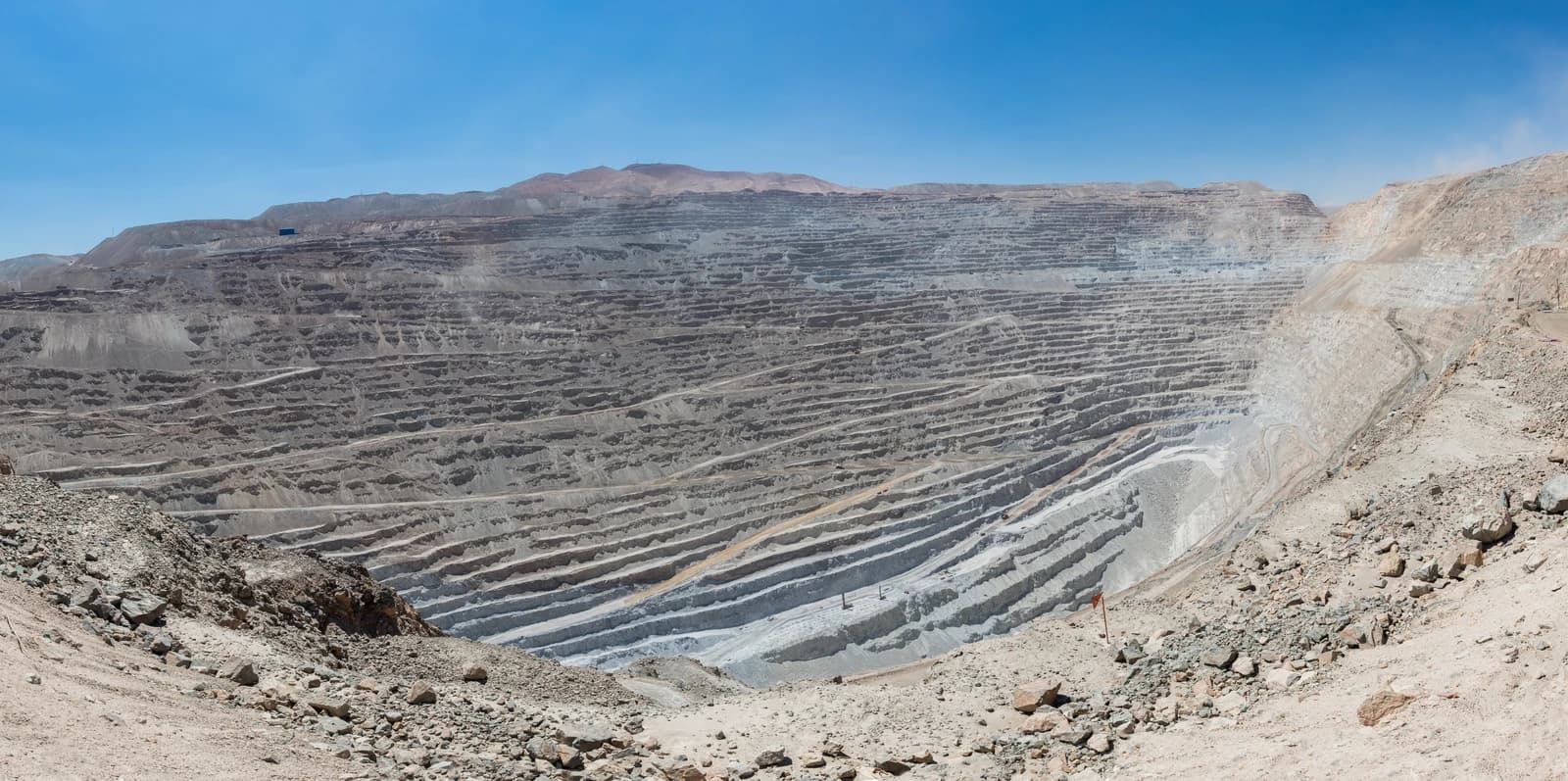
On Friday, copper changed hands at $6.66 a pound, up 2.3% for the week and near the all-time high of $6.736 reached in August. The annual average has climbed to $6.11 a pound, but Chile’s output has fallen 8% in the first eight months of the year to 3.25 million tons, while August production sank 13% from a year earlier to 369,500 tons, the weakest monthly reading since 2011.
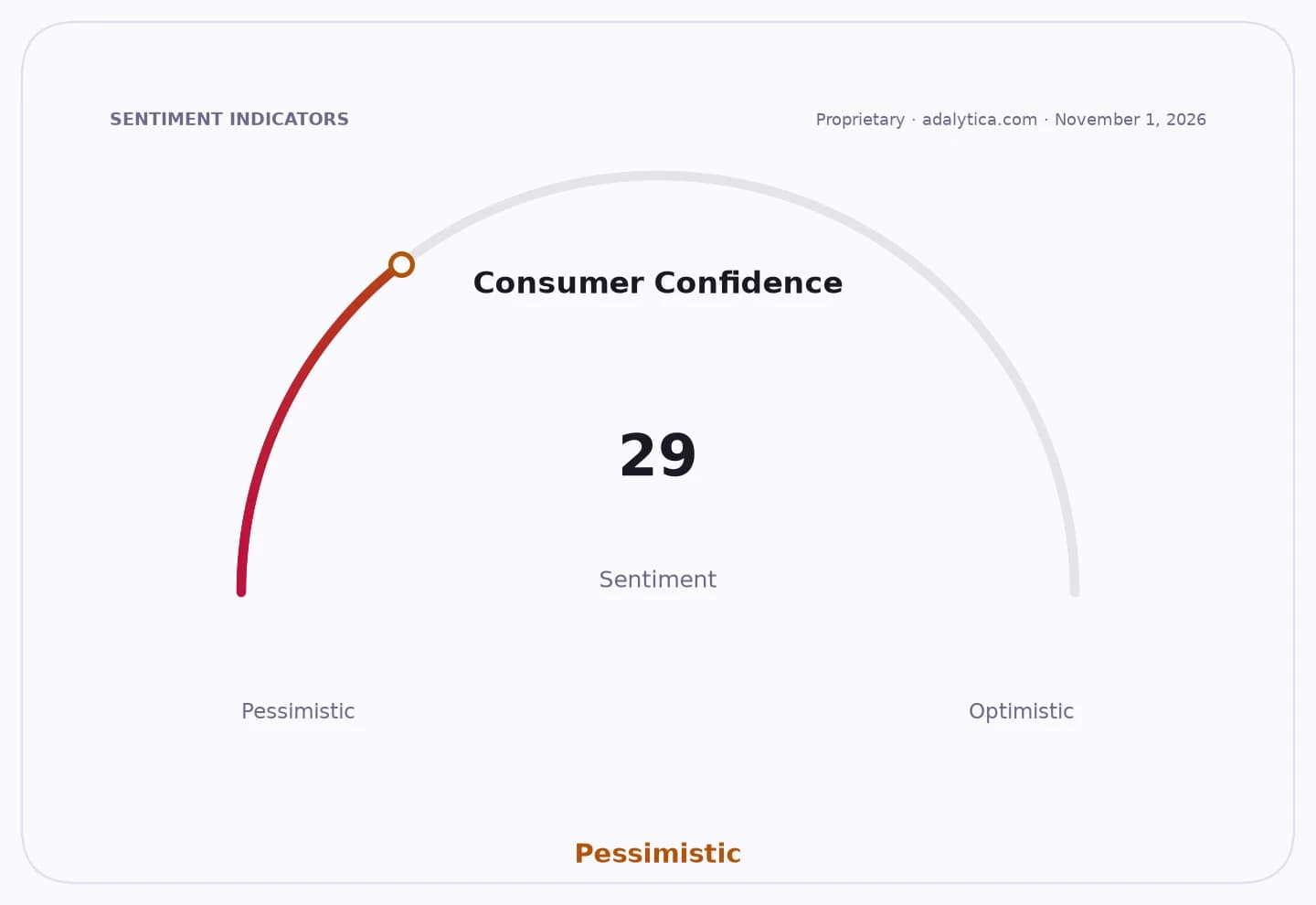
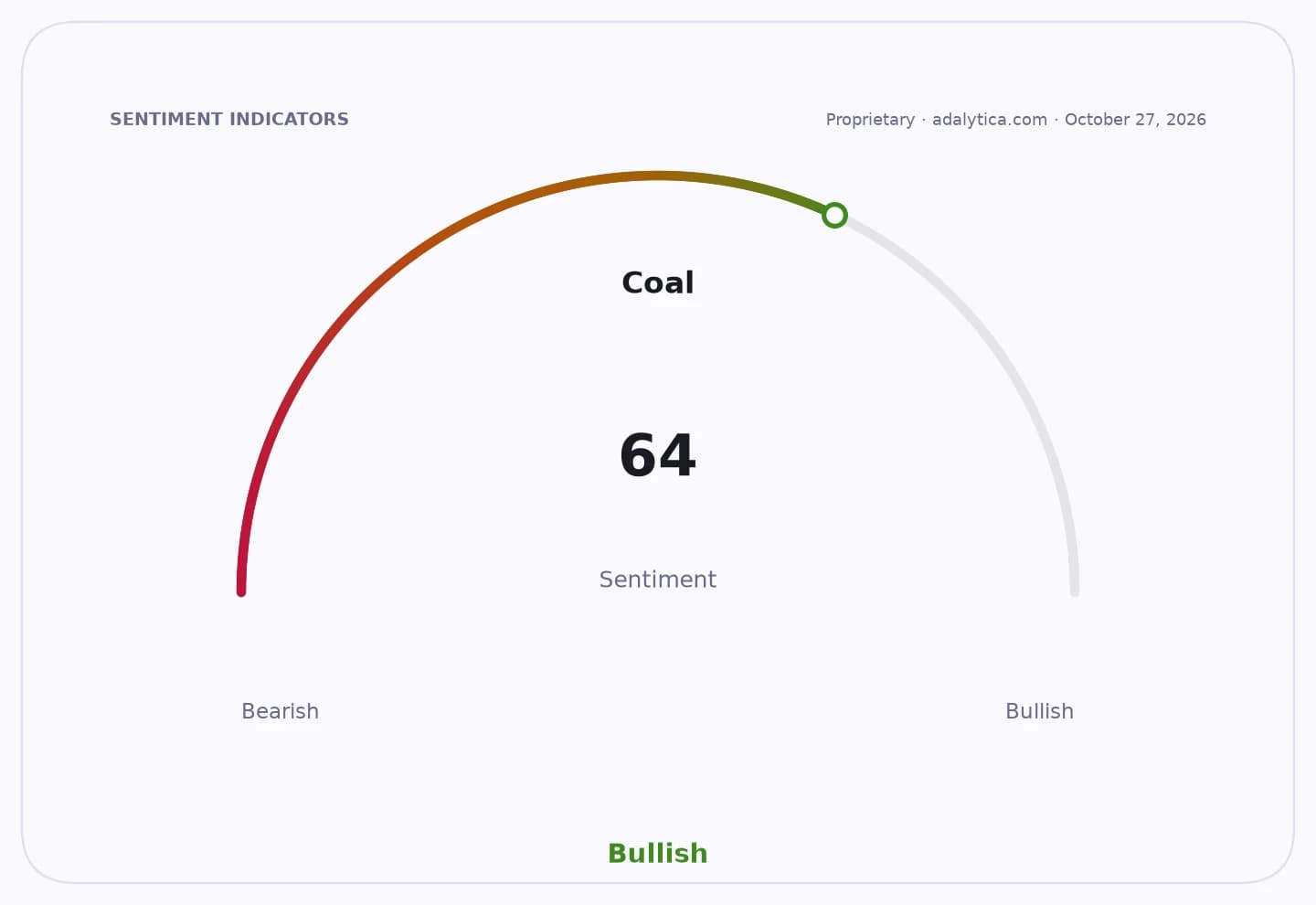
Sentiment Indicators
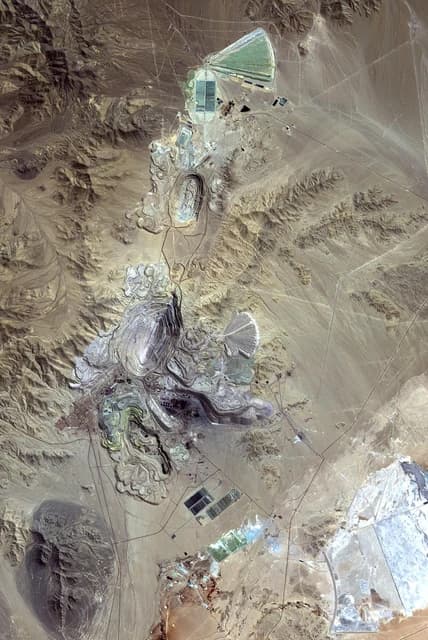
That is economically important because copper is still one of Chile’s biggest engines of exports, fiscal revenue and growth. When prices rise but production falls, the country captures less of the windfall than it should. The shortfall also tightens global supply at a time when demand is being supported by signs of recovery in China, leaving the market more vulnerable to spikes whenever a mine is hit by a strike, accident or maintenance shutdown.
The blame sits largely with the biggest producers. Codelco, Escondida and Spence account for most of the decline, while Centinela has also cut guidance. Codelco’s own output was down 11% in the first half, with El Teniente hit by restrictions after a deadly accident, Chuquicamata hurt by major maintenance and Ministro Hales dragged by lower grades. Escondida lost 73,500 tons in the January-July period as geology worsened, and BHP now sees lower output in coming years. In Chile’s case, this is not a price problem. It is an execution problem.
For investors, that matters in two ways. First, it underscores why copper remains a compelling long-term exposure: the market’s supply side is fragile, and every production miss supports the price floor. Second, it separates the winners from the laggards. Companies with better assets, cleaner balance sheets and the capital to expand responsibly should be able to compound value over time, while producers stuck with declining grades, delayed projects or labor risk will struggle to turn high prices into higher earnings.
The policy backdrop is no kinder. Years of constitutional uncertainty and slow environmental approvals have pushed major projects back, leaving a $104.5 billion pipeline from Cochilco partly stuck in pref easibility. That delay is the hidden cost in Chile’s copper story: the world wants more metal, but the country cannot bring supply on line fast enough.
The near-term risk is further disruption. Strikes at Centinela and Escondida could remove tens of thousands of tons from the market and cut export income by hundreds of millions of dollars. Longer term, Chile’s production may eventually recover toward 5.7 million tons, but not quickly. That is why the more important investment lesson is not the day-to-day copper quote. It is that the supply gap is structural, and structural shortages tend to reward patient investors who own the best operators and stay diversified for the long haul.
| Entity | Gains | Losses |
|---|---|---|
| Copper prices | ▲Supported by tighter supply | ▼Downside pressure from stock builds limited |
| Chilean exporters | ▲Higher unit prices | ▼Lower volumes and lost export revenue |
| Codelco, Escondida, Centinela | ▲Potential leverage if output recovers | ▼Missed output, higher costs, labor risk |
| Long-term copper investors | ▲Stronger price floor and scarcity premium | ▼Volatility from strikes and outages |