Chile’s credit standing gets a fresh vote of confidence from Fitch Ratings, with the agency affirming the sovereign’s long-term foreign-currency debt at A- with a stable outlook, a move that supports borrowing costs and underscores investor demand for the country’s fiscal path.
Chile Fitch affirms A- rating, stable outlook
For the Treasury ministry led by Jorge Quiroz, the decision matters because it validates a consolidation strategy that has kept Chile’s debt burden below peers and preserved a reputation for policy credibility. Fitch said its view rests on “a relatively solid sovereign balance,” debt-to-GDP below comparable countries and a history of macroeconomic policies seen as dependable by global investors.
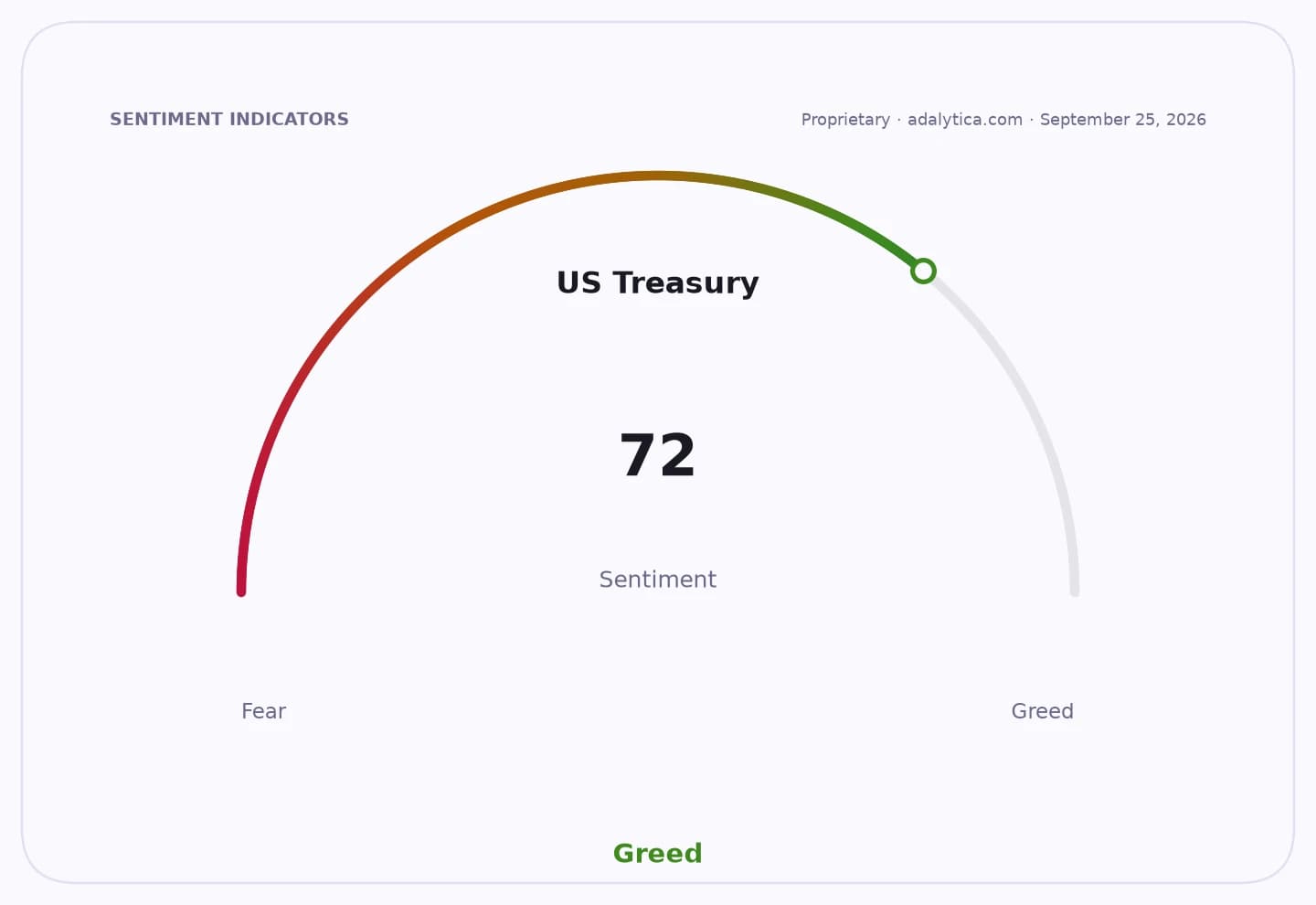
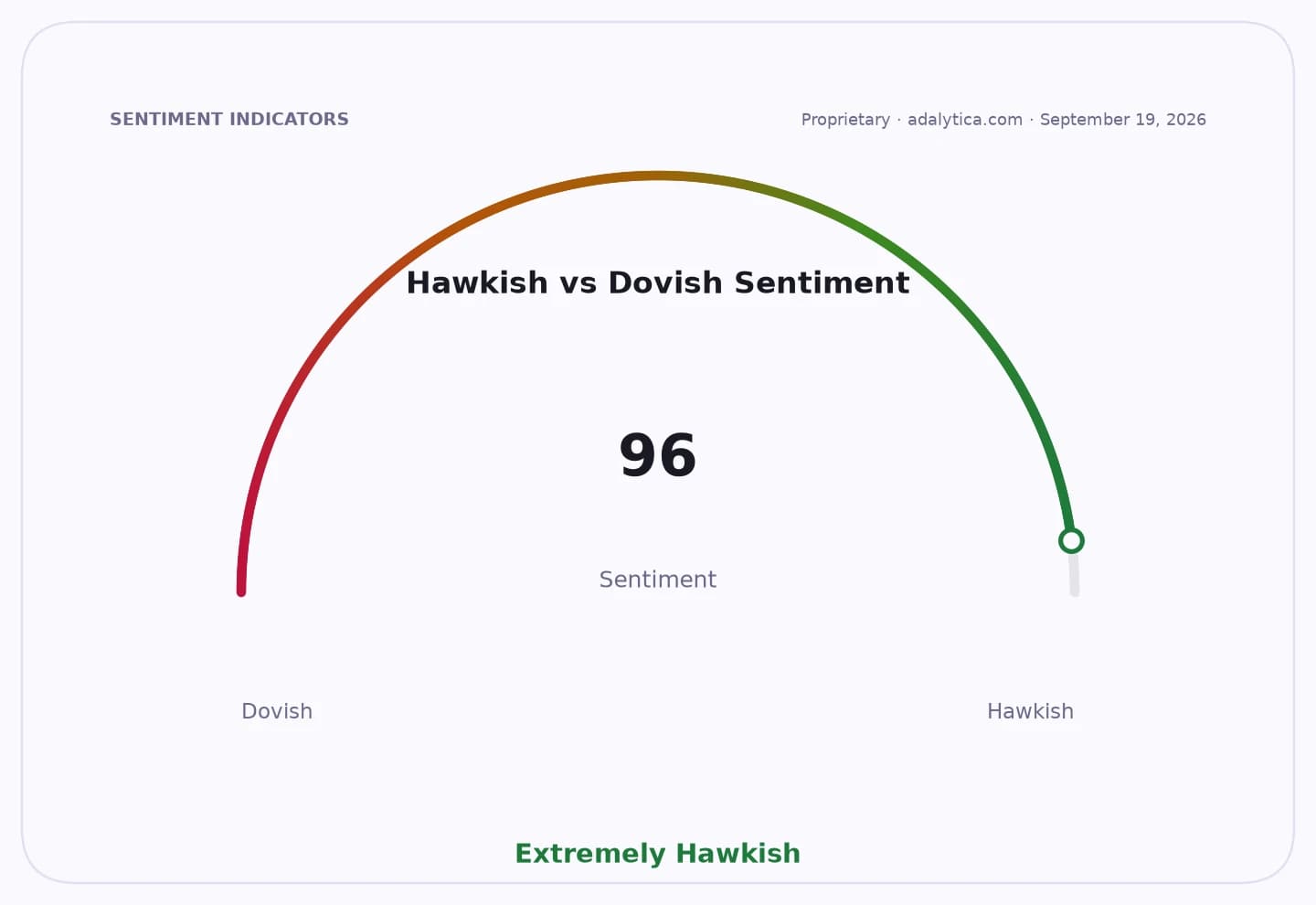
Sentiment IndicatorsⓘProprietary · adalytica.com · September 22, 2026
This is a snapshot — live sentiment, awareness and momentum for 130+ markets update continuously in the dashboard.Open AlphaPulse
The rating action is economically important because Chile is trying to pair fiscal restraint with a growth agenda. Treasury said real tax revenue rose 7.0% year on year through July, helped by mining income, while public spending fell 0.7% as the government tightened the budget. Fitch now expects the fiscal deficit to narrow from 2.7% of GDP in 2025 to 1.8% in 2026, with further improvement in 2027 as copper prices stay firm and spending discipline holds.
That keeps Chile’s debt trajectory relatively contained. Fitch projects gross debt at 42.8% of GDP in 2026 before stabilizing near 43%, still well below the 59% average for A-rated sovereigns. For bond investors, that combination of moderate leverage, a stable outlook and declining deficits lowers the risk premium attached to Chilean paper.
The decision also reinforces the government’s broader investment case. Treasury said Fitch took note of the “Megarreforma,” which cuts the corporate tax rate to 23% by 2029 and aims to reduce permitting timelines by 40%, alongside a projected investment pipeline of a record $95.1 billion for 2026-2030, including $25 billion in 2027 alone, led by mining and energy.
Fitch did trim its 2026 growth forecast to 0.7%, citing temporary shocks in mining, agriculture and fishing and a higher oil price backdrop. Even so, the stable rating suggests investors are more focused on Chile’s fiscal arithmetic and policy framework than on near-term growth softness.
| Entity | Gains | Losses |
|---|---|---|
| Chile Treasury | ▲Rating validation | ▼Pressure to keep spending tight |
| Chile sovereign bonds | ▲Lower risk premium | ▼Less upside from a downgrade trigger |
| Foreign investors | ▲Greater credit confidence | ▼Limited yield pickup |
| Fiscal critics | ▲Stronger reform signal to overcome | ▼Leverage in arguing for looser policy |