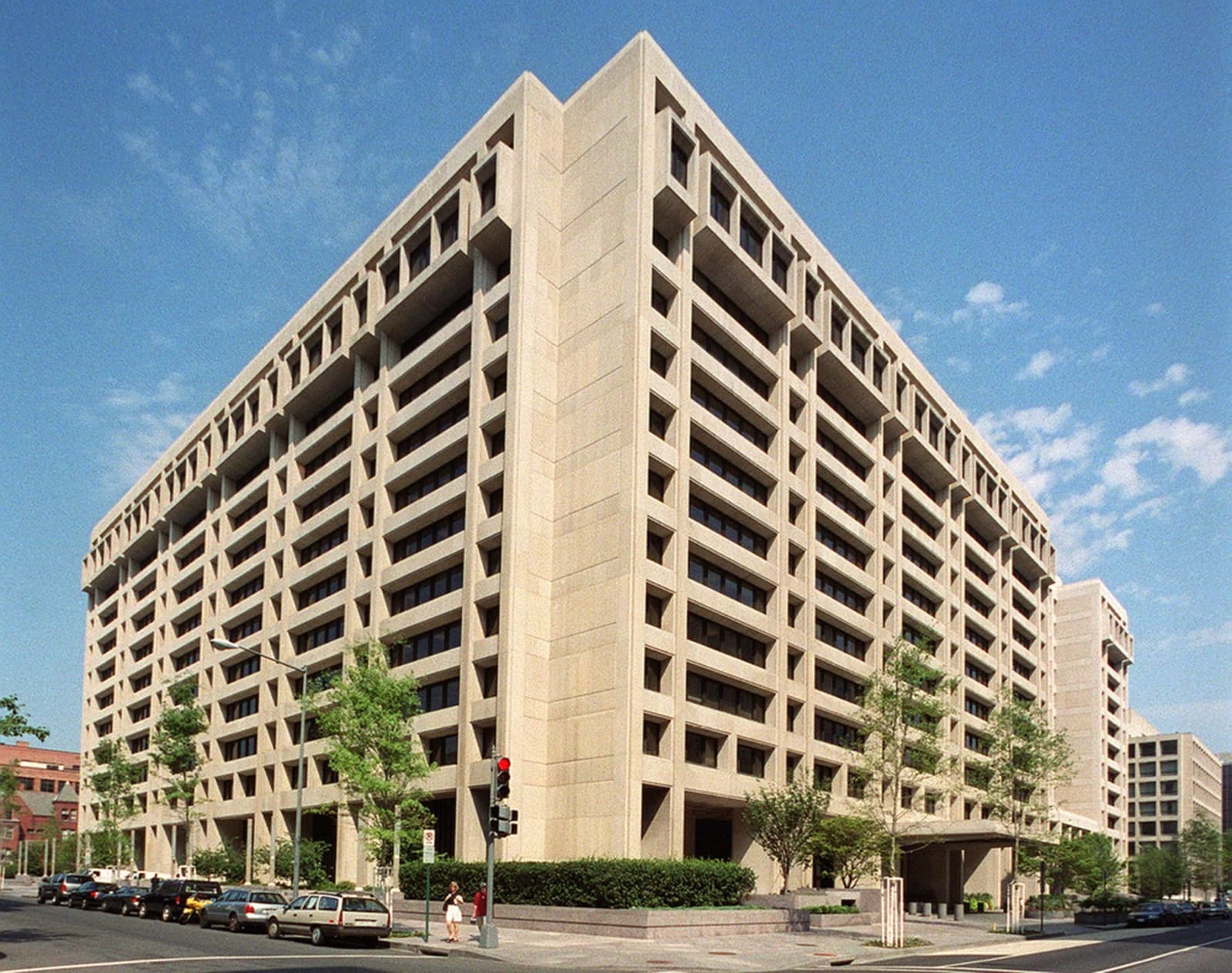
The IMF’s approval of a two-year, $11.8 billion flexible credit line for Chile gives the country a sizable liquidity backstop just as high U.S. rates and uneven global growth keep capital markets less forgiving for emerging economies.
Chile Gets IMF $11.8 Billion Credit Line Renewal
The renewal matters less because Chile is in immediate distress than because it reinforces the country’s status as one of Latin America’s most credible sovereign borrowers. In a world where the U.S. 10-year yield is holding near 4.6% and the two-year around 4.2%, financing conditions remain tight enough that even well-managed emerging markets benefit from insurance against sudden swings in dollar funding, commodity prices and risk appetite.
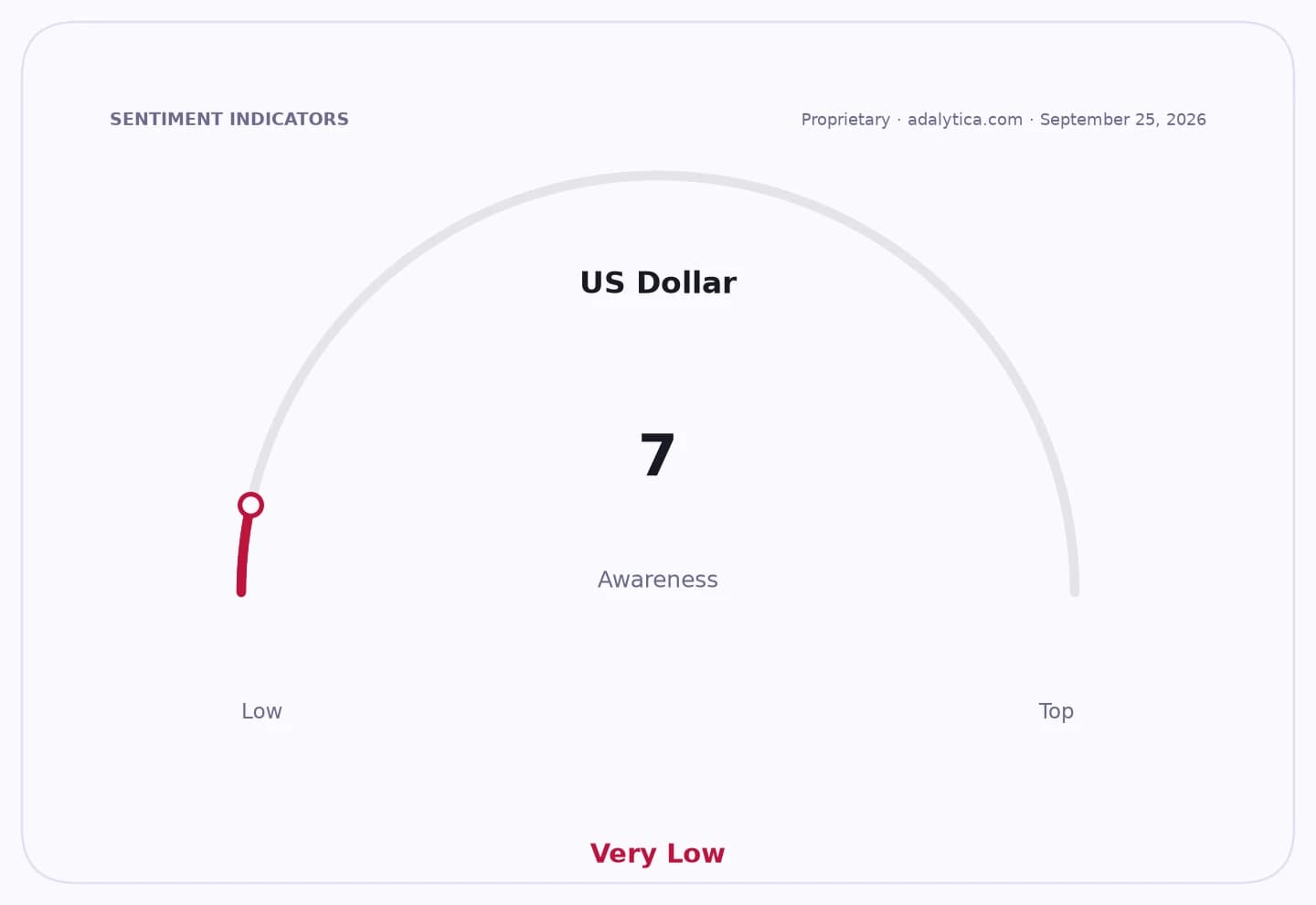
Sentiment IndicatorsⓘProprietary · adalytica.com · August 30, 2026
This is a snapshot — live sentiment, awareness and momentum for 130+ markets update continuously in the dashboard.Open AlphaPulse
For Chile, the IMF line acts as a confidence signal as much as a financial tool. The fund uses the flexible credit line only for economies with very strong policy frameworks, and renewal suggests the institution still sees Chile’s fiscal and monetary credibility as intact despite weaker growth across the region and persistent external uncertainty. That matters for the sovereign’s own funding costs, but also for the broader investment case around Chilean banks, exporters and local assets.
The market reaction has been muted, but the backdrop is supportive. Chile-focused equity exposure through ECH has held close to its 50-day moving average around $40 and is trading above its 200-day average, a sign investors are still willing to pay for stability. Bank of Chile’s U.S.-listed shares, BCH, have also remained resilient above their long-term trend line. That suggests the IMF decision is more likely to preserve existing capital inflows than spark a fresh rally.
The bigger picture is that the credit line helps Chile guard against the kind of external shock that can quickly transmit through currencies, sovereign spreads and bank balance sheets. If U.S. rates stay elevated and the dollar regains strength, countries without comparable policy credibility can see funding costs rise abruptly. Chile’s buffer reduces that risk and gives policymakers more room to manage growth without being forced into pro-cyclical tightening.
For investors, the message is twofold. Bullish case: Chile retains a premium status among emerging markets, which should support sovereign debt, the peso and domestically exposed financials. Bearish case: the backstop is only as useful as the global environment allows, and if rates stay higher for longer, even strong credits can see valuations capped. The IMF renewal does not change Chile’s fundamentals, but it does make those fundamentals easier to defend.
| Entity | Gains | Losses |
|---|---|---|
| Chile | ▲Lower funding risk | ▼Little downside, but continued scrutiny |
| IMF | ▲Policy credibility | ▼Balance-sheet exposure if shocks worsen |
| Chilean banks and local assets | ▲Confidence support | ▼Less upside if risk appetite fades |
| Competing EM borrowers | ▲Benchmark for credibility | ▼Harder comparison on policy quality |